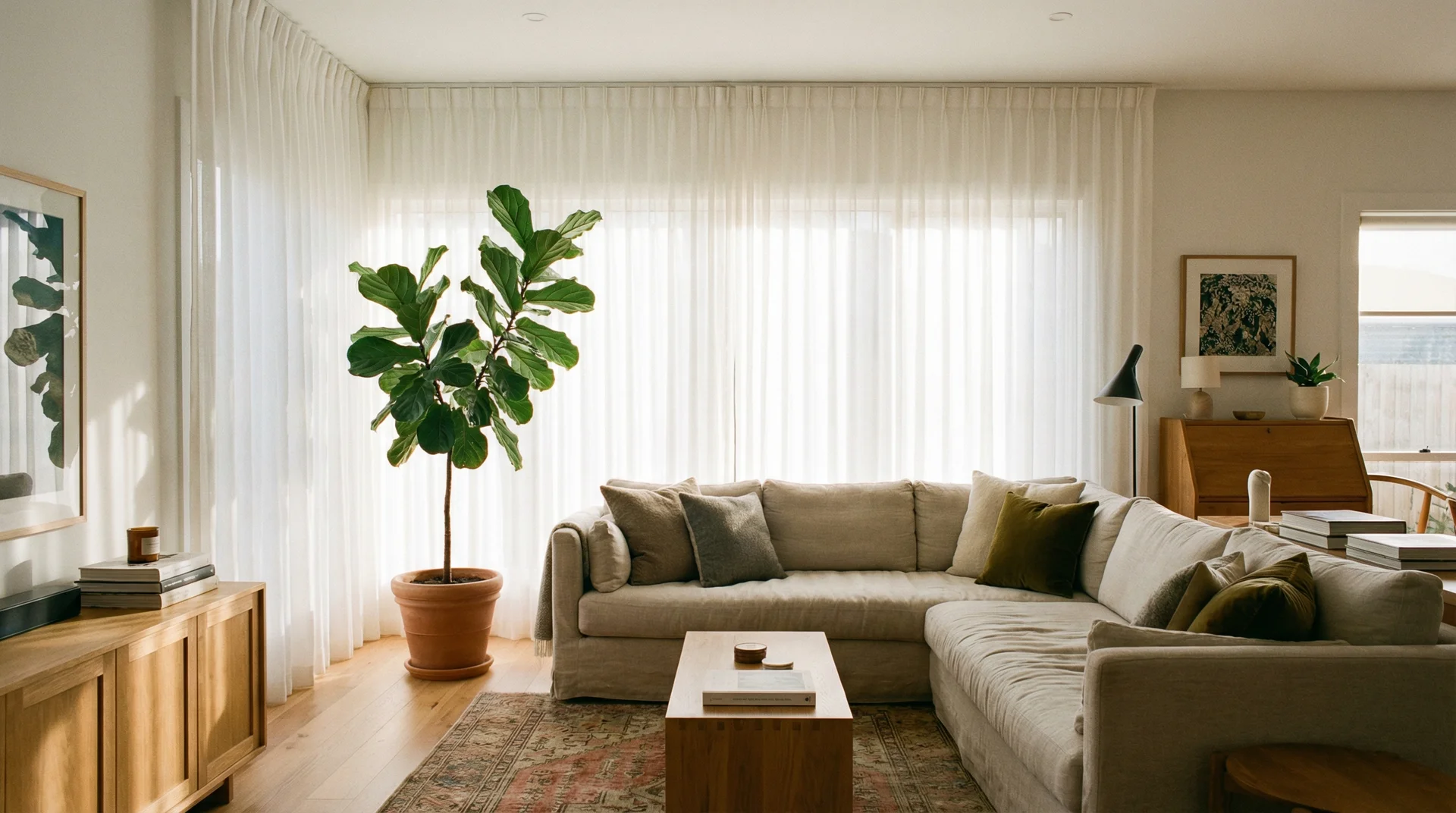
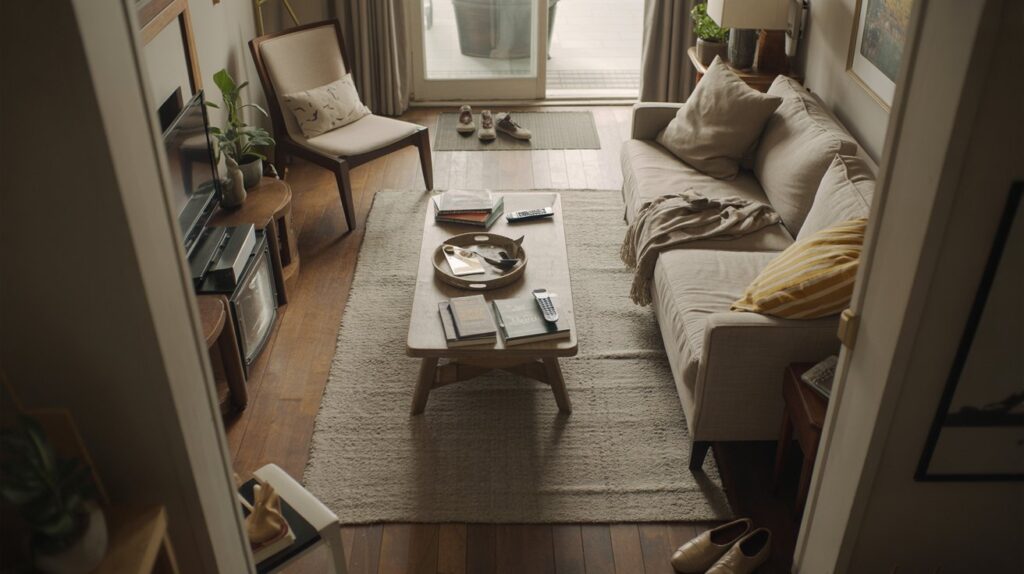
Many people pick a rug by looking at numbers alone, then feel disappointed once it’s in the room. A rug that looks large online can suddenly feel small under real furniture.
This confusion shows up constantly in client homes, and over the years of interior design work, I’ve seen homeowners struggle with rugs that technically fit yet still feel wrong once placed.
That’s why so many people search for a 6×9 rug size comparison. Dimensions alone rarely tell the full story. Many homeowners still deciding between carpet and rug options benefit from understanding flooring flexibility before choosing rug sizes.
Rugs interact with furniture, walkways, and visual balance in ways size charts don’t explain.
In this guide, I’ll walk through how this size behaves in real rooms so you can picture placement clearly before bringing one home.
What Does a 6×9 Rug Actually Look Like in Real Space?
A 6×9 rug measures six feet by nine feet, yet those numbers rarely match how the rug feels once placed in a furnished space. Over the years, clients often tell me they expected the rug to feel bigger, only to see much of it disappear once sofas, beds, or tables sit on top of it.
Furniture changes what you actually see. A large portion of the rug ends up hidden beneath furniture, and the walking space around it alters the visual impression.
A rug in an empty room feels generous, while the same rug surrounded by furniture can feel selective, almost like a framed zone.
Visualizing 6×9 Using Room Floor Space
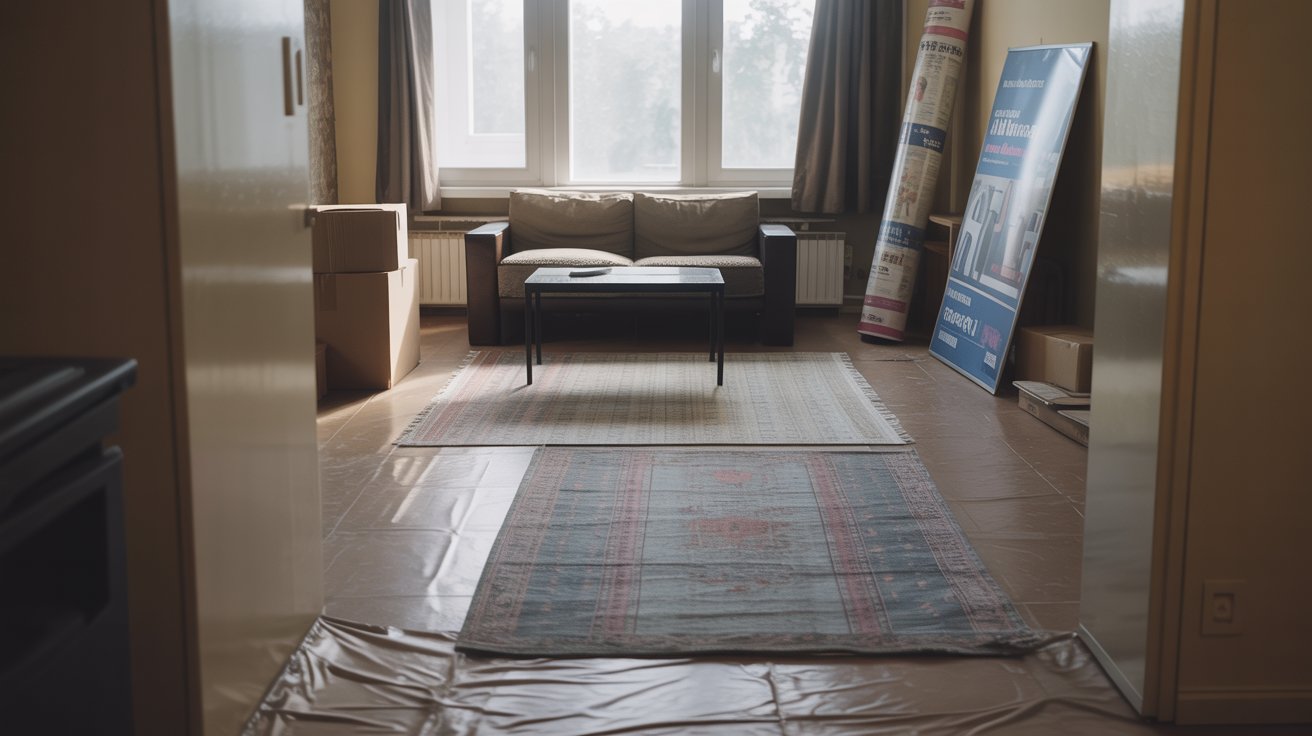
A 6×9 rug covers fifty-four square feet. In a compact room that feels substantial. In a medium-sized room, the rug defines a seating or sleeping zone instead of covering most of the floor.
The feeling changes depending on how much floor remains visible around the rug and how much furniture rests on top.
When a rug sits with a wide open floor around it, our eyes read it as smaller. When furniture partially sits on it, the eye connects the furniture and rug into one visual area, which makes the rug feel larger.
I often demonstrate this in consultations by temporarily moving furniture onto the rug, and homeowners immediately notice how the room suddenly feels more cohesive without changing the rug at all. Following a clear rug placement guide often solves sizing doubts without needing a larger rug.
Why Rugs Feel Smaller Once Furniture Is Added
Furniture alters perception in two ways. First, it hides part of the rug, reducing visible surface area. Second, furniture legs interrupt the rug’s edges, which visually shrinks its presence.
This explains why a rug that looks perfect in one room feels undersized in another. The same rug may anchor one layout beautifully while appearing disconnected elsewhere.
A useful contrast appears in seating layouts. When sofa legs sit on the rug, the seating area feels grounded and unified. When the rug floats entirely in front of furniture, the arrangement looks separated, and the rug appears smaller.
Rooms also change over time. Furniture gets rearranged, new pieces arrive, or layouts shift with family needs. A rug that once felt right can suddenly feel different, even though its size never changed, which is why rug perception often feels inconsistent from one setup to another.
How Does a 6×9 Rug Compare to Other Common Rug Sizes?
Many homeowners assume small dimension differences do not matter much, yet even a one-foot increase changes how a room feels. Added perimeter space affects walkways, furniture placement, and overall visual balance more than expected.
Common Rug Size Comparison
| Rug Size | Feel in the Room | Typical Result |
|---|---|---|
| 5×8 | Compact zone | Often too small for full seating areas |
| 6×9 | Medium anchor | Works in smaller living rooms & bedrooms |
| 8×10 | Large anchor | Covers most seating layouts comfortably |
| 9×12 | Room-defining | Covers large rooms with furniture fully on the rug |
5×8 vs 6×9 in Practical Layouts
In many homes I’ve worked in, a 5×8 rug fits under only a coffee table or sits partly under furniture, leaving seating visually disconnected. Moving up to a 6×9 often allows front sofa or chair legs to rest on the rug, which immediately ties the seating together.
The change seems minor on paper, yet the improvement becomes noticeable once furniture is placed. Clients frequently remark that the room suddenly feels finished with only that size change.
6×9 vs 8×10 in Usable Floor Area
An 8×10 rug adds roughly two extra feet in each direction, which provides greater flexibility for walking paths and furniture placement. In medium-sized rooms, a 6×9 forms a defined zone, while an 8×10 feels integrated with the entire space.
Which one feels right depends on the furniture footprint. Rooms with larger sofas or wider spacing often benefit from additional rug coverage, whereas compact rooms maintain better proportions with a 6×9.
Why Size Jumps Change Room Balance
Those extra inches around the edges influence how furniture sits relative to walls and walking paths. Slight increases allow furniture to sit comfortably without crowding edges or shrinking walkways.
In projects where rugs initially felt undersized, upgrading to a larger size often fixed the layout imbalance immediately, which surprises homeowners who expected only a subtle change. Numbers hide how strongly perception responds to added perimeter space.
In Which Room Sizes Does a 6×9 Rug Work Best?
Room dimensions alone do not decide whether a rug works well. Layout matters far more. Rugs need space around them to keep rooms open while still anchoring furniture so nothing appears scattered.
Small Living Rooms
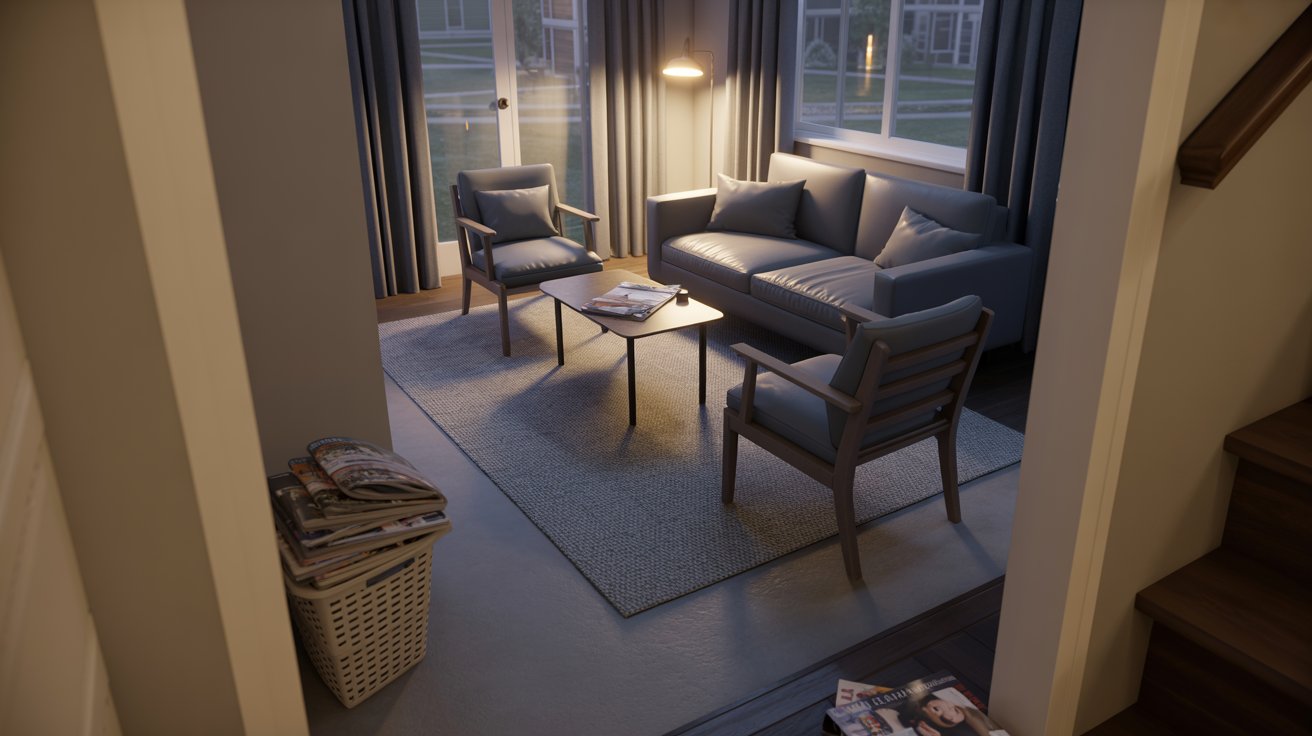
A 6×9 rug works nicely in smaller living rooms where furniture sits closer together, and walkways run outside the rug edges. Compact sofas and chairs allow seating to connect visually without crowding the rug.
If oversized furniture fills the room, however, the rug can begin to feel tight even though the room technically fits it. I often see this after homeowners upgrade sofas without reconsidering the rug size.
Medium Bedrooms
In bedrooms, placing a 6×9 rug under the lower portion of the bed allows a soft landing space when stepping out while keeping the headboard area clear.
Results shift depending on bed size. Smaller beds maintain balanced rug visibility, while larger beds leave less rug showing, which can make the rug feel smaller.
Bedroom layouts also evolve with added benches, dressers, or nightstands, which change how much rug remains visible over time.
Dining Rooms with Compact Tables
A 6×9 rug suits smaller dining tables when chairs stay on the rug as people sit and stand. When chairs slide off rug edges, the layout feels unstable and visually awkward.
Furniture upgrades or expanding dining needs frequently change suitability. A table extension or larger chairs may suddenly require a larger rug, even if the original arrangement worked fine.
How Furniture Placement Changes How a 6×9 Rug Feels
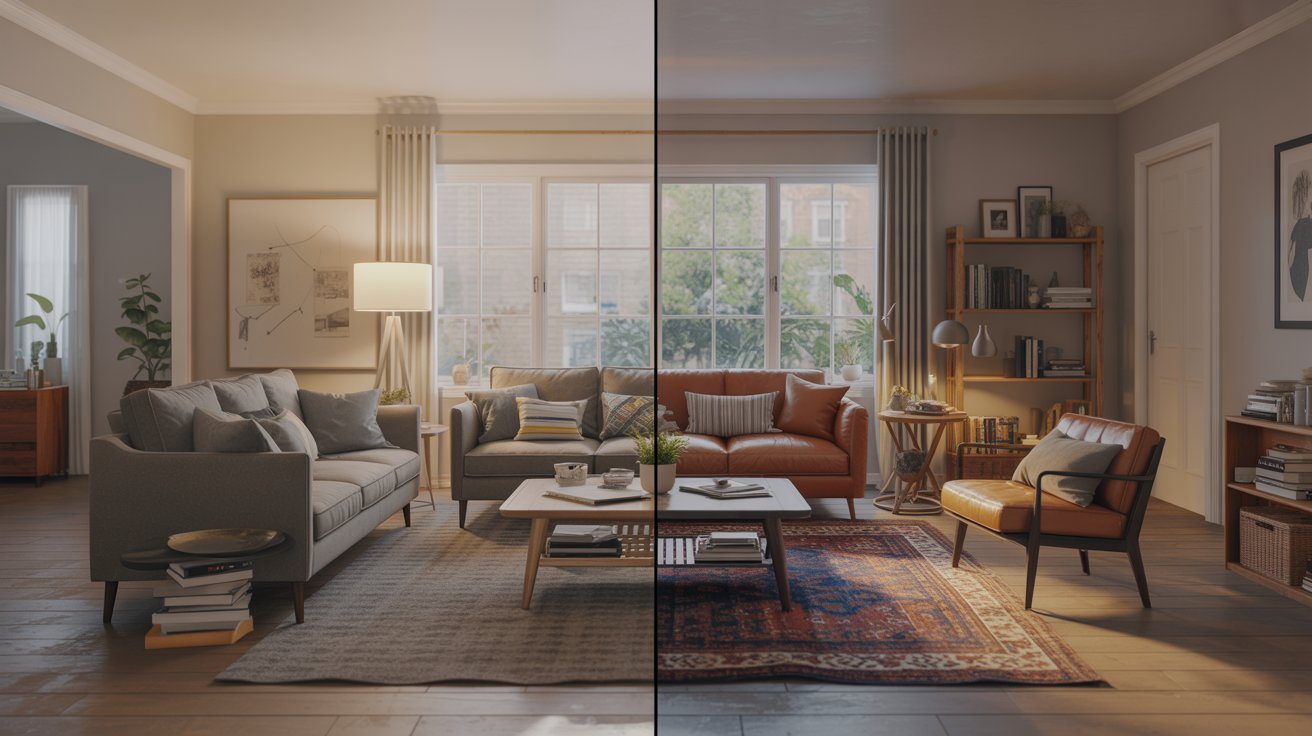
Furniture placement determines whether a rug feels intentional or misplaced.
Over many client consultations, adjusting placement often solved dissatisfaction without replacing the rug itself. Understanding basic furniture placement rules usually improves layouts before replacing rugs.
Sofa and Seating Arrangements
When front sofa legs rest on the rug, seating areas feel connected. The rug visually anchors the arrangement, giving the room structure.
When furniture floats completely off the rug, the layout feels separated, and the rug seems smaller than expected.
Homeowners often notice immediate improvement after shifting sofas just a few inches forward, which demonstrates how small placement changes influence perception.
Bed Placement Layouts
Beds commonly sit partly on rugs, so stepping out lands on soft flooring. When the rug stops before walking zones, even a large rug can feel undersized.
Bedroom layouts vary widely, and small adjustments such as moving the bed slightly or repositioning side tables often change how successful a rug feels without altering size.
Dining Table Placement Logic
Dining tables and chairs should stay on the rug even when chairs move outward. When chairs slide beyond rug edges, movement feels uneven, and the rug appears undersized.
Furniture styles, chair widths, and table shapes create variability, which explains why identical rug sizes behave differently across homes.
When Does a 6×9 Rug Feel Too Small or Too Large?
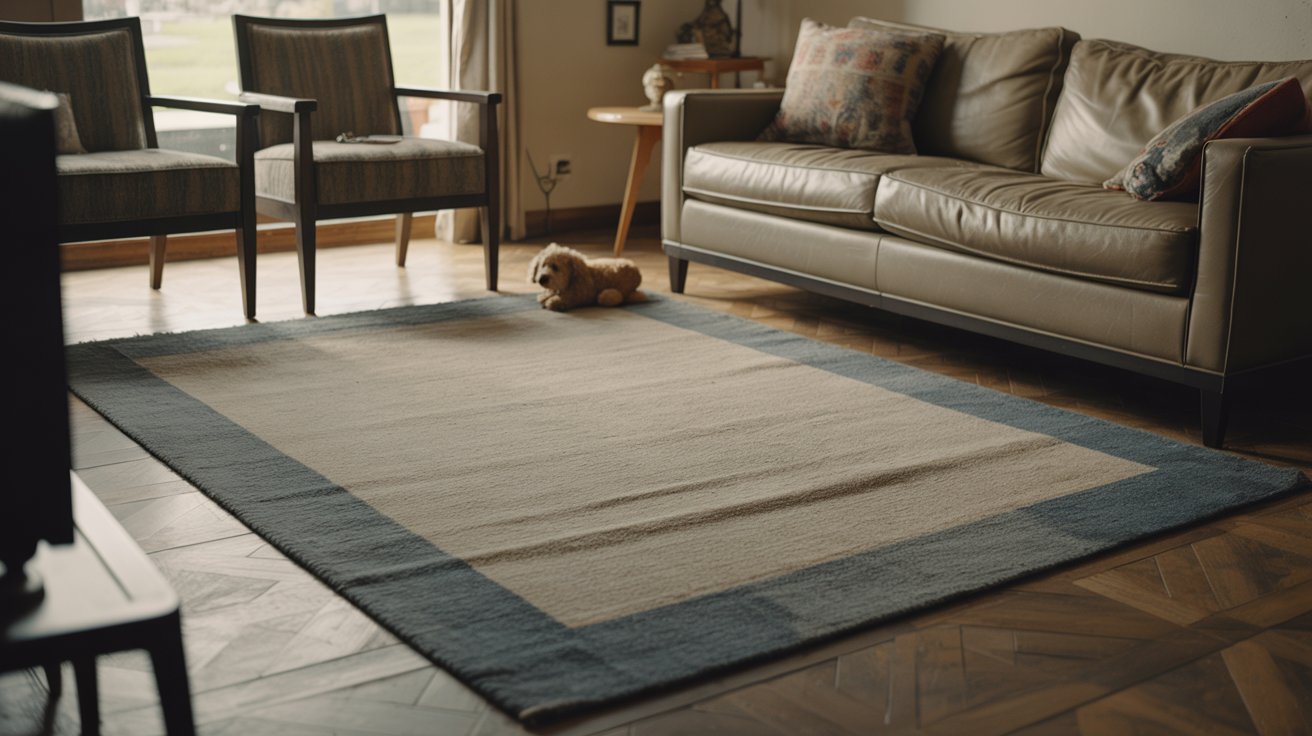
Sometimes rugs physically fit yet still feel visually wrong. Scale and layout influence perception as much as dimensions.
Signs a Rug Is Undersized
Common signals include:
- Furniture sitting completely off the rug
- Large floor gaps around seating areas
- Rug appearing isolated within the room
These situations often arise after rooms gain additional furniture or layouts shift.
Signs a Rug Overwhelms a Space
A rug may feel too large when it nearly reaches the walls, leaving little visible floor around the edges. Rooms can lose definition, and furniture begins to feel crowded.
Minimalist spaces sometimes benefit from larger rugs, while furnished rooms may feel constrained with the same size. Changing décor or adding pieces often shifts how the rug size feels over time.
How to Quickly Check If a 6×9 Rug Will Fit Your Space
A quick validation step prevents many sizing mistakes without turning the process into a complicated project.
Measuring Usable Floor Space
Instead of measuring the entire room, measure the space the furniture actually occupies. Rugs support layout zones rather than empty corners.
Consider sofa depth, chair spacing, bed size, or table footprint, along with the walking space needed around furniture.
Layout-First Measuring Approach
A simple way to visualize placement involves laying painter’s tape or newspaper on the floor to outline rug dimensions. Seeing furniture relative to this outline quickly reveals whether seating sits comfortably on the rug and whether walking paths remain clear.
Layouts change over time, yet checking usable space first consistently leads to better decisions. In design projects, this quick test often saves clients from costly returns while giving them confidence in their choice.
Frequently Asked Questions About 6×9 Rug Size.
Is a 6×9 rug big enough for most living rooms?
A 6×9 rug works well in small to medium living rooms where seating sits relatively close together. When sofas and chairs can place their front legs on the rug, the space feels anchored. In larger rooms with wider furniture spacing, the rug may look disconnected because too much bare floor surrounds it.
How far should a rug sit from the walls?
Leaving visible floor around the rug helps frame the room and keeps the space feeling open. In many projects, keeping several inches to a couple of feet of floor visible between rug edges and walls maintains good balance. The exact distance shifts depending on room size and furniture placement.
Should furniture sit fully or partially on the rug?
Furniture usually works best when at least the front legs sit on the rug. That connection visually ties the layout together. When all furniture legs remain off the rug, seating areas often look separated, and the rug feels smaller than expected.
Can a 6×9 rug work under a queen or king bed?
A 6×9 rug commonly works under queen beds when placed under the lower portion of the bed, providing walking comfort on both sides. With larger beds, less rug remains visible, which can make the rug appear smaller. Layout and bedside furniture influence how successful the result feels.
What happens if my furniture layout changes later?
Furniture changes often affect how the rug size feels. Adding larger sofas or widening seating arrangements can make a rug that once felt balanced seem undersized. Before buying, it helps to consider whether furniture upgrades may happen in the future.
Why does the same rug size look different in different homes?
Room shape, furniture scale, ceiling height, and floor visibility all influence perception. Two rooms with identical dimensions can produce very different results depending on layout and furnishings, which explains why rug size advice sometimes feels inconsistent.
Final Thoughts
Choosing the right rug becomes easier once you understand how rugs interact with furniture, movement paths, and visible floor space.
If your home features darker flooring, learning how to style dark floors ensures your rug choice enhances the space rather than dulling it.
A 6×9 rug size comparison offers a useful perspective, yet true clarity comes from picturing how your layout sits on the rug rather than relying solely on room measurements. When furniture anchors comfortably and walking space feels natural, the rug supports the room instead of competing with it.
Before making a purchase, take a moment to imagine how seating or bedding connects with the rug. That small pause helps prevent frustration and leads to a home that feels balanced and comfortable every day.