
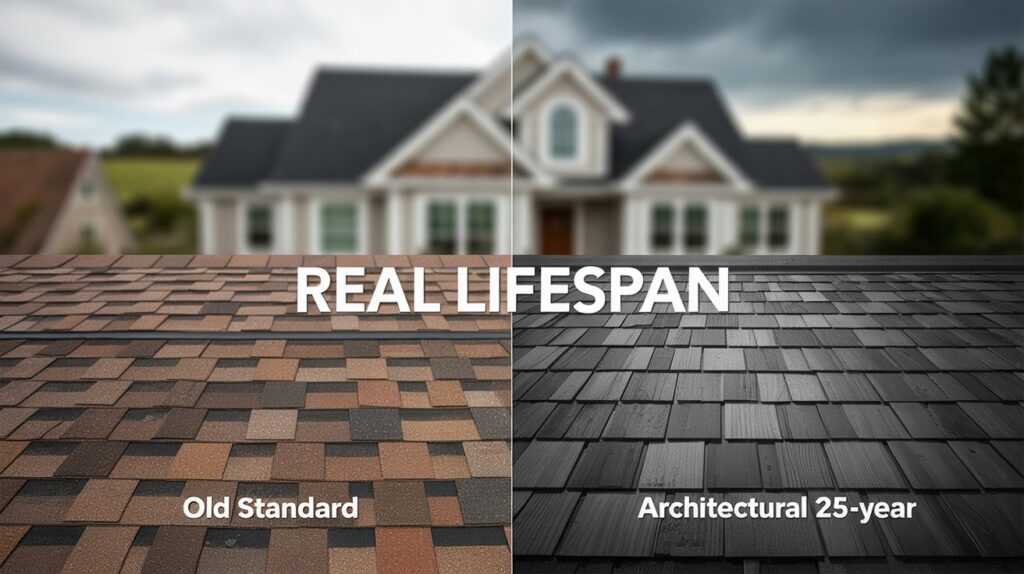
In real-world conditions, architectural shingles typically last 22–25 years, rarely reaching the “30-year” mark advertised on packaging.
While they are significantly more durable than standard 3-tab shingles (which fail around 12–15 years), their lifespan is heavily dictated by three factors: attic ventilation, local climate intensity (UV and freeze-thaw cycles), and installation quality.
You can expect peak performance for the first 15–18 years. After year 20, granule loss accelerates, and the shingles become brittle. If your roof is approaching the 20-year mark, you are likely in the “replacement window,” regardless of the warranty paperwork in your drawer.
The “30-Year” Myth: Warranty vs. Reality
I’ve been in residential remodeling for over 12 years, and one of the hardest conversations I have with homeowners is explaining why their “30-year roof” is leaking at year 22.
Here is the truth: A “30-Year Limited Warranty” is a marketing term, not a lifespan guarantee. It covers manufacturing defects, like shingles that blister or crack improperly due to a factory error. It does not cover normal wear and tear, storm damage, or the slow degradation caused by the sun.
In my experience, once a roof passes the 20-year mark, the asphalt begins to dry out. The oils that keep the shingle flexible evaporate. When a strong wind hits an old, brittle shingle, it doesn’t flex; it cracks.
The “Prorated” Trap: Most homeowners don’t realize that warranties are prorated. If your roof fails in year 25, the manufacturer might offer you a voucher for the current value of the materials, which is pennies on the dollar compared to the cost of a full replacement (labor included).
Architectural vs. 3-Tab Shingles: Is the Upgrade Worth It?
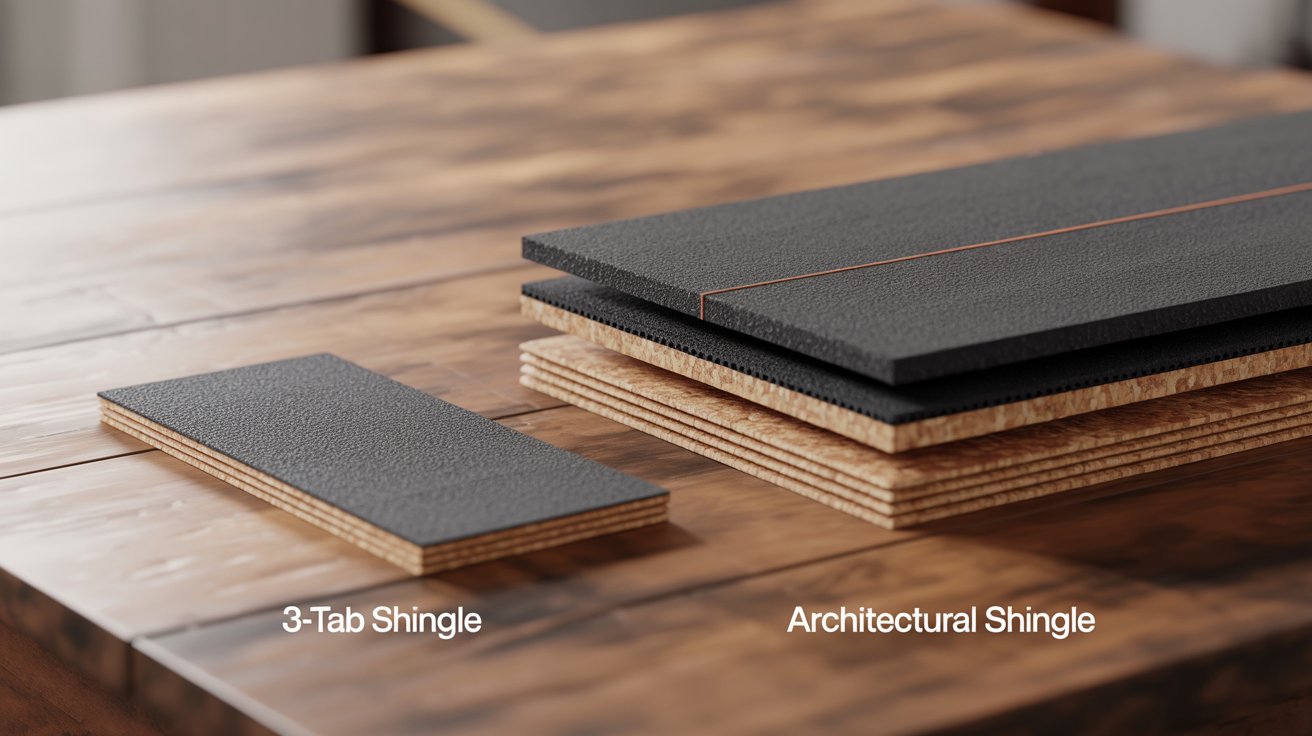
If you are weighing a new roof installation, you might be tempted by the cheaper price tag of standard 3-tab shingles. As someone who holds a diploma in Construction Management and has overseen countless renovations, I advise against them for most residential homes.
Architectural shingles (also called dimensional or laminated shingles) are constructed with a heavier base mat and multiple layers of asphalt. They aren’t just prettier; they are structurally superior.
Here is a breakdown of why I almost always recommend the upgrade:
Comparison: Architectural vs. 3-Tab Shingles
| Feature | 3-Tab Shingles (Standard) | Architectural Shingles (Laminated) | Jordan’s Verdict |
|---|---|---|---|
| Real-World Lifespan | 12–15 Years | 22–25 Years | Architectural wins on ROI. |
| Wind Resistance | ~60 MPH | 110–130 MPH | Critical for storm-prone areas. |
| Aesthetic Depth | Flat, 2D look | Dimensional, Shadow lines | Boosts curb appeal & resale value. |
| Maintenance Needs | High (tabs blow off easily) | Low to Moderate | Heavier weight keeps them secure. |
| Cost | $ (Cheapest upfront) | $$ (Best value) | ~20% more cost for ~50% more life. |
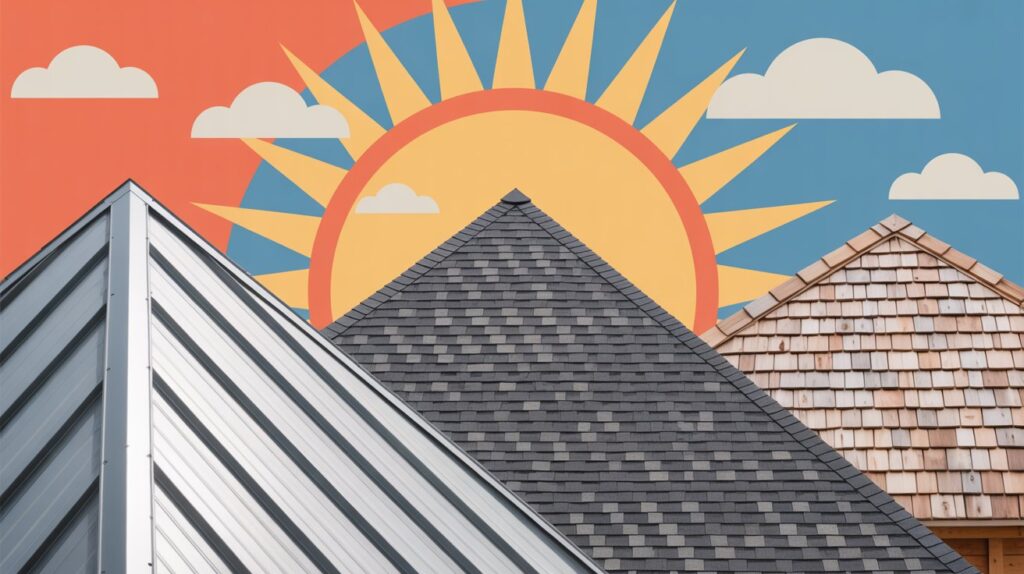
Want to Compare Other Materials? If you’re considering premium roofing options, check out our guide to cedar shake roofs, since cedar lasts longer but requires more maintenance than architectural shingles.
The 5 Factors That Actually Kill Your Architectural Shingles Roof
If architectural shingles are built to be tough, why do some fail in 18 years while others last 28? In my inspections, it usually comes down to these specific variables.
1. The Silent Killer: Attic Ventilation
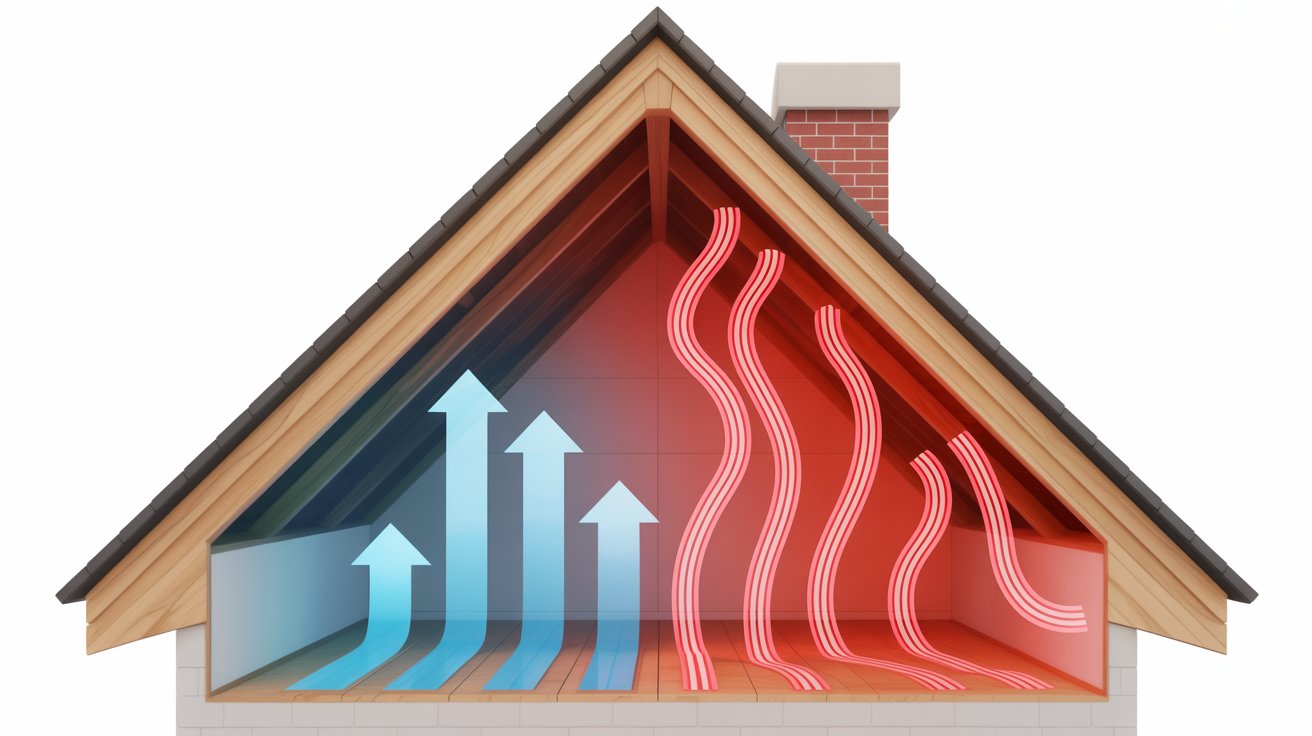
This is the number one cause of premature roof failure I see. If your attic lacks proper intake (soffit vents) and exhaust (ridge vents), it turns into an oven in the summer. I’ve measured attic temperatures over 150°F.
This heat cooks the shingles from the bottom up, frying the asphalt and causing them to curl. If your ventilation is poor, you can slash 30% off your roof’s expected life.
2. Thermal Shock
In regions with swinging temperatures, roofs expand and contract daily. This constant movement strains the material. Eventually, the granules loosen, and the fiberglass mat creates micro-tears.
3. Pitch and Slope
Steeper roofs generally last longer. Water sheds instantly, and debris (leaves, pine needles) doesn’t accumulate. On lower-slope roofs, water lingers longer, increasing the risk of algae growth and moisture penetration.
4. Installation Quality
You can buy the most expensive shingles on the market, but if the installer places the nails too high (missing the “nailing strip”), the shingles will slide or blow off. This is a massive issue in DIY or low-budget contractor jobs.
The Lifecycle: What to Expect Year-by-Year
Knowing where your roof sits in its lifecycle helps you budget for the inevitable replacement. Here is the timeline I typically see in the field:
Years 0 to 10: The Honeymoon Phase. Your roof should be trouble-free. Any leaks during this period are almost certainly due to flashing errors (around chimneys or pipes) or bad installation, not the shingles themselves. The granules are tight, and the color is vibrant.
Years 11 to 18: The Maintenance Phase. The roof is aging, but it’s still doing its job. You might see some minor granule loss in your gutters after a heavy storm; this is normal.
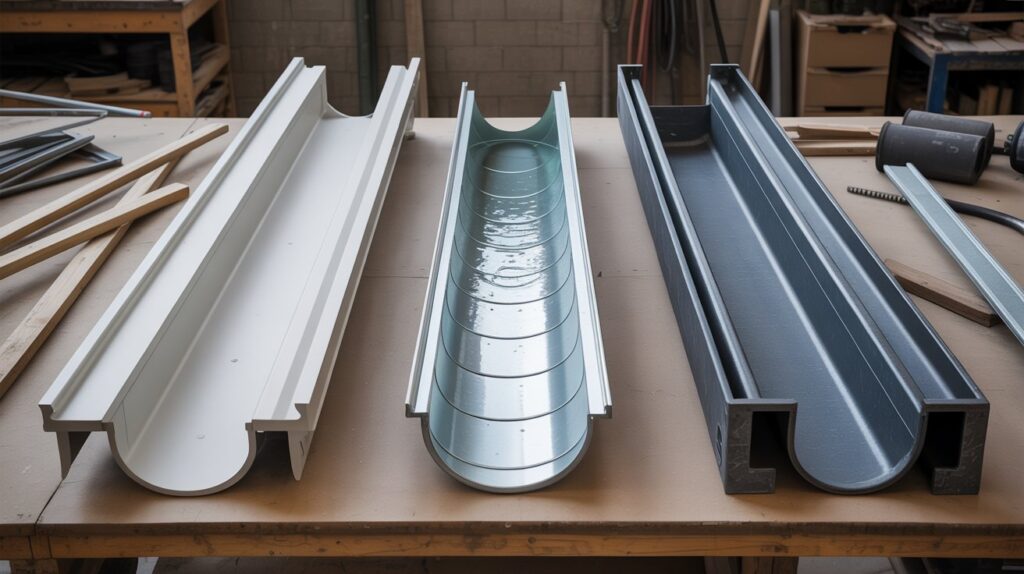
If you are planning roof upgrades or switching materials, it’s also worth understanding which gutter systems work best with metal roofs, since drainage performance changes depending on the roofing material.
You may also notice some algae streaks (black lines) on the north-facing side. This is usually cosmetic, but it’s worth monitoring.
Years 19 to 25: The Decision Phase. This is where the clock starts ticking. The asphalt is becoming brittle. You might find shingles on your lawn after a windstorm. If you walk on the roof (which I don’t recommend for homeowners), it might feel “crunchy” rather than solid. This is the window where you should start getting quotes for replacement.
4 Warning Signs You Need to Replace Architectural Shingles Now
Don’t wait for water to drip onto your dining room table. Watch for these signs that your architectural shingles have reached the end of the line.
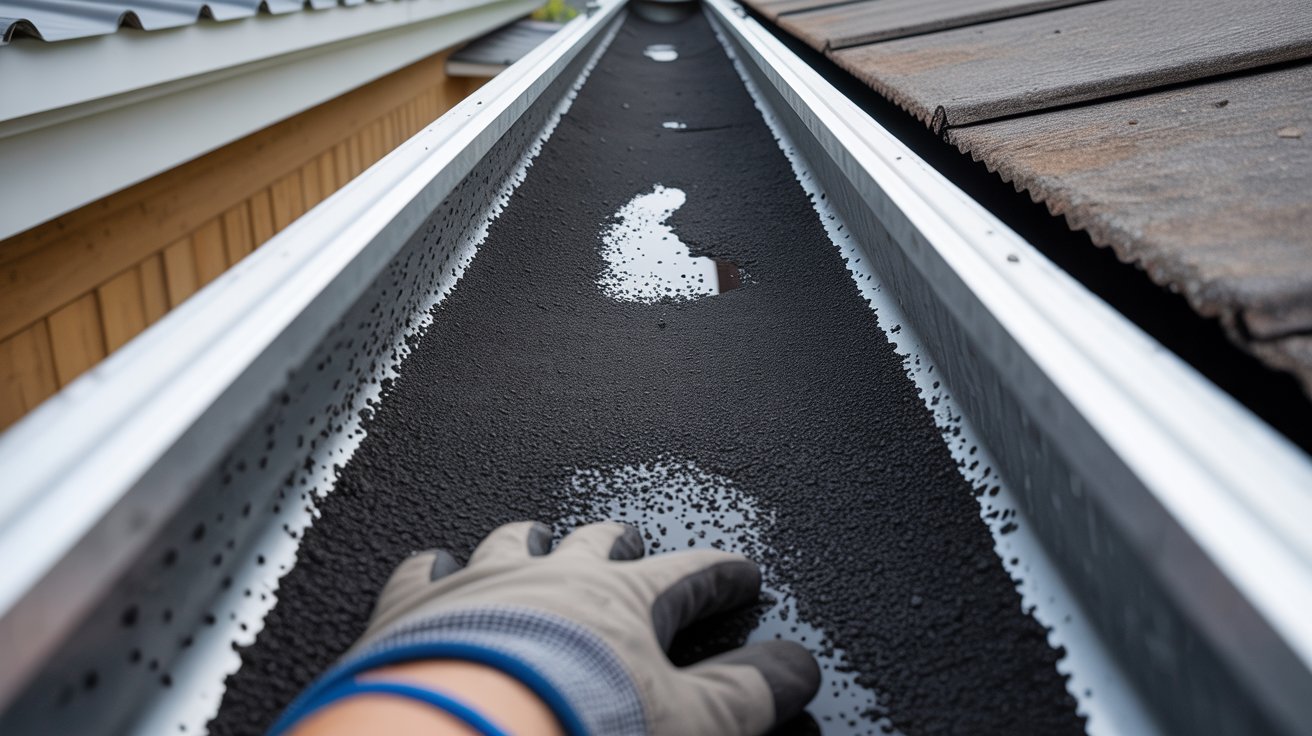
1. The “Gutter Test” (Heavy Granule Loss). Go look in your gutters. If you see a thick layer of sediment that looks like black sand, your roof is shedding its armor. Those granules protect the asphalt from UV rays. Once they are gone, the sun eats the shingle alive.
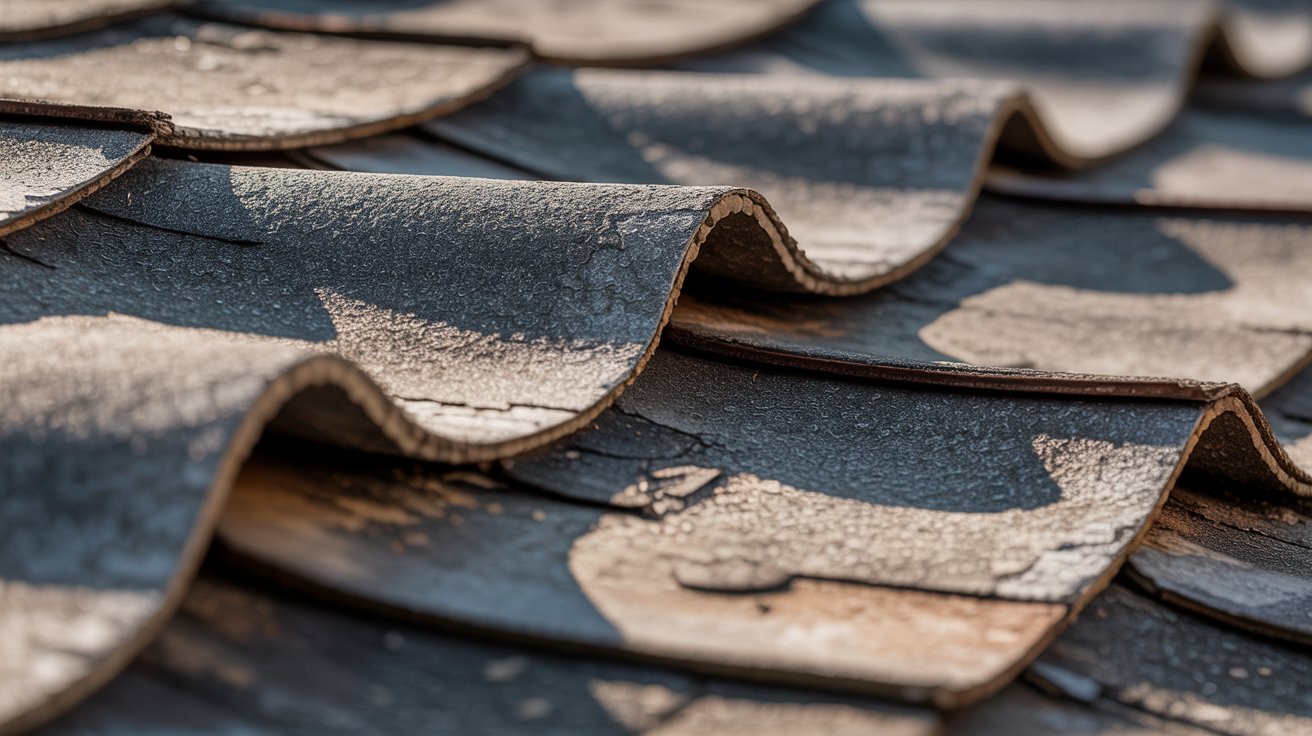
2. Curling and Cupping. Look at the edges of the shingles. Are they turning upward (curling) or is the center humped up (cupping)? This means the binders have dried out. These shingles can no longer seal against water intrusion.
3. Moss vs. Algae. Black streaks (algae) are ugly but often harmless. Moss, however, is a problem. Moss holds moisture against the shingle surface, essentially rotting it. If you have thick moss growth that has been there for years, the granules underneath are likely gone.
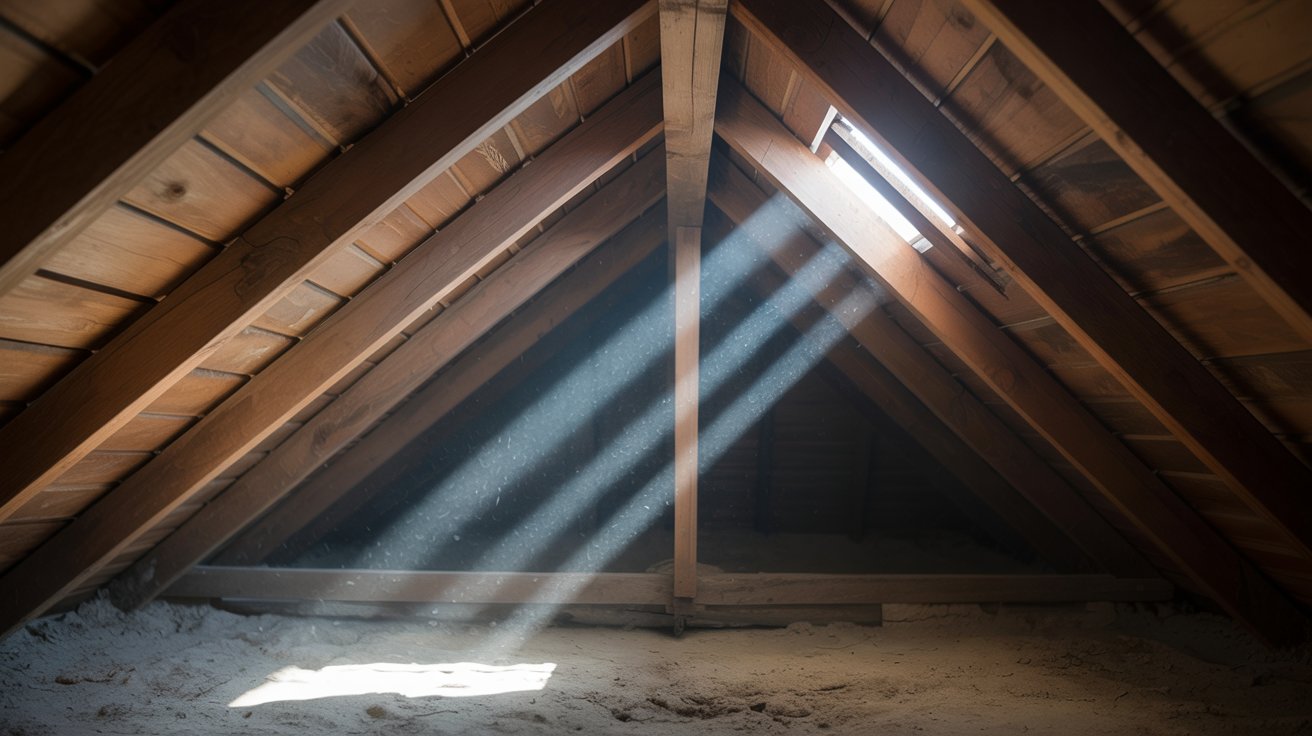
4. Daylight in the Attic. Go into your attic on a sunny day and turn off the lights. If you see pinholes of light coming through the roof deck, you have a critical failure. You don’t need a repair; you need a new roof immediately.
Frequently Asked Questions
Can I just roof over my old architectural shingles?
Technically, many building codes allow for two layers of roofing. However, as a professional, I strongly advise against it. Adding a second layer traps heat (shortening the new roof’s life), voids most manufacturer warranties, and prevents you from inspecting the wood decking for rot. Do it right: tear it off.
Is a metal roof a better investment than architectural shingles?
Metal lasts longer (40–60 years) but costs 2–3x more upfront. If you plan to stay in the home for 20+ years, metal offers a better ROI. If you plan to move in 10 years, architectural shingles are the smarter financial play because you likely won’t recoup the full cost of metal in the resale value.
Does homeowner’s insurance cover an old roof?
Generally, no. Insurance covers sudden damage (hail, tree fall, fire), not wear and tear. If your roof is over 20 years old, many insurers will only pay “Actual Cash Value” (depreciated value), not the full replacement cost.
Final Thoughts
A roof replacement is expensive, but it protects your home’s entire structure. If your architectural shingles have given you 22 good years, they’ve done their job.
Don’t try to stretch a failing roof another two or three winters. The cost of repairing water damage to your insulation and drywall will far exceed the cost of replacing the roof a year early.
Stay safe and build smart,