
Celery is one of those everyday ingredients that quietly appear in soups, salads, and snacks, yet it also causes considerable confusion. When a recipe calls for “1 stalk of celery,” does it mean the whole bunch or just one piece? And is there really a difference between a stalk and a rib?
In this guide, we’ll break down everything you need to know about celery stalks.
We will cover what the term actually means, how celery grows, why it’s stringy, and how to get a never-ending supply in your garden.
When you want to chop celery for a recipe or to plant in your backyard, understanding how to do it properly can make a real difference.
Let’s clear it up, once and for all.
Celery Stalk vs. Celery Rib – What’s the Difference?
Common Usage in Recipes
Most recipes use the word stalk when they really mean rib. If a soup calls for “2 stalks of celery,” it’s usually asking for 2 ribs, not 2 whole bunches. This confusion has been around for years and is caused by how the term has changed in everyday cooking language.
Botanical Definition
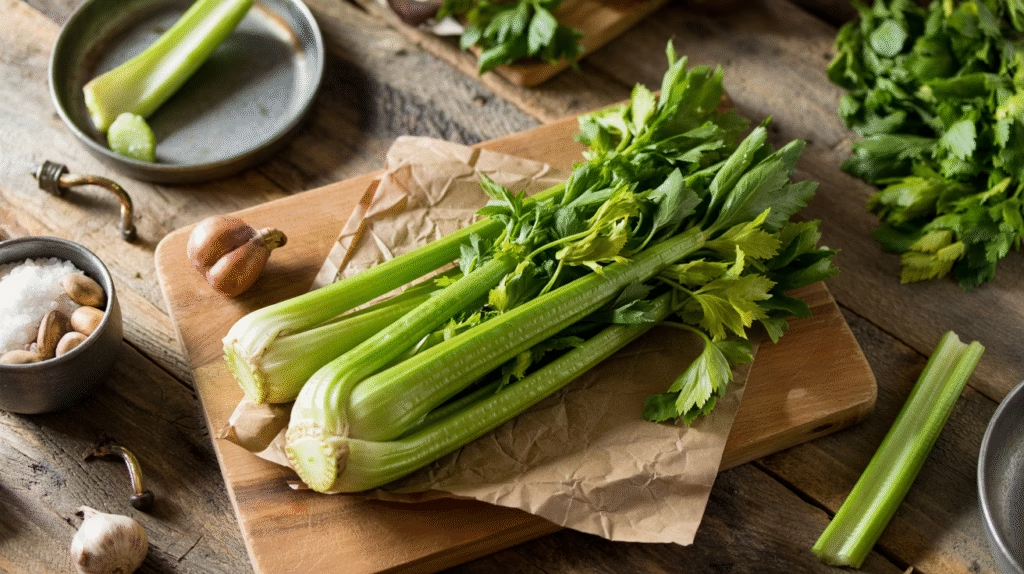
In plant terms, a stalk refers to the entire bunch of celery, including all the ribs and the leafy tops. Each rib is one individual piece that you pull off the bunch. So, in botany, a rib is part of the stalk.
Terminology Summary
- Stalk (culinary) = 1 rib (common recipe usage)
- Stalk (botanical) = full bunch
- Rib = single stick of celery
- Stick = casual term for rib
When in doubt, check the quantity in cups or grams if a recipe provides it.
Anatomy and Science Behind a Celery Stalk
What is a Celery Stalk Botanically?
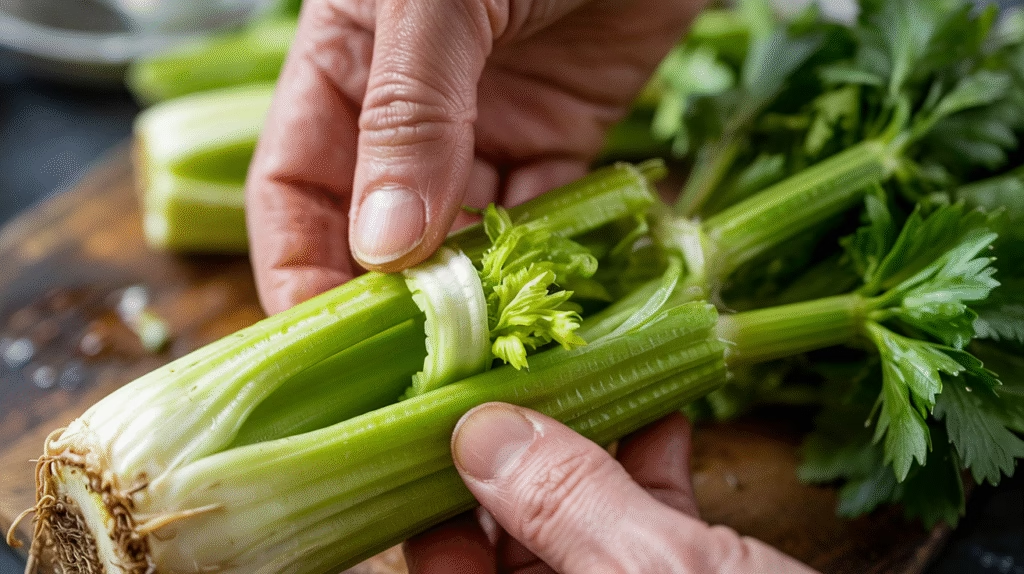
A celery stalk isn’t a stem—it’s a petiole, which is the part of a leaf that connects the leafy top to the base of the plant. It looks like a stem, but it behaves more like a support beam for a large leaf. Each celery “stalk” is part of a compound leaf, not a branch.
Structural Features of Celery
Celery petioles are shaped like half-pipes—strong enough to support the weight of leaves but flexible enough to bend in wind. Their crescent shape adds strength, especially when growing outward from the bunch. The thick base helps anchor the leaf while resisting bending.
The Stringy Stuff Explained
Celery strings come from two main tissues:
- Xylem (vascular bundles): Carries water; elastic but breaks easily.
- Collenchyma: Tough, stretchable tissue just under the surface.
To reduce stringiness, snap the rib and peel away the strings before using.
Culinary Uses of Celery Stalks

Where it’s Used
Celery is a kitchen staple that adds crunch, flavor, and balance to a wide range of dishes. It’s often used as a base ingredient to build depth or as a crisp, refreshing element in salads and snacks.
Here are common ways celery stalks are used:
- Soups and Stews: Diced celery adds flavor and texture to chicken noodle soup, beef stew, and vegetable broth.
- Stuffing and Dressings: Essential in classic dishes like Thanksgiving stuffing or Southern cornbread dressing.
- Salads: It adds crunch to dishes like Waldorf salad, potato salad, and tuna salad.
- Stir-Fries: Works well with onions and bell peppers in dishes like chicken stir-fry.
- Juicing: Often juiced for health purposes. Combine with cucumber, lemon, and ginger.
- Snacking: Celery sticks with peanut butter or hummus are simple, healthy snacks.
Helpful Recipes Using Celery Stalks
- Chicken Noodle Soup
- Use: 2–3 ribs, diced
- How: Sauté with onions and carrots as the base before adding broth and chicken
- Why: Adds subtle flavor and a soft texture that blends well with noodles
- Classic Stuffing (or Dressing)
- Use: 2 ribs, finely chopped
- How: Cook with onions and herbs before mixing with bread cubes
- Why: Adds moisture, aroma, and a slight crunch to balance the soft bread
- Waldorf Salad
- Use: 1 rib, thinly sliced
- How: Mix with apples, grapes, walnuts, and mayo or yogurt
- Why: Adds crispness and a savory contrast to sweet fruits
- Tuna or Chicken Salad
- Use: 1–2 ribs, diced small
- How: Mix directly into the mayo-based salad
- Why: Adds crunch and freshness to creamy textures
- Vegetable Broth or Stock
- Use: 3–4 ribs, roughly chopped (leaves included)
- How: Simmer with onion, carrot, garlic, and herbs for 1–2 hours
- Why: Celery deepens the flavor and gives balance to other ingredients
- Celery Juice
- Use: Full stalk (whole bunch), chopped into chunks
- How: Blend with a little water and strain, or use a juicer
- Why: Claimed health benefits, high water content, fresh taste
- Stir-Fried Vegetables
- Use: 1–2 ribs, sliced diagonally
- How: Add during the first minute of cooking with bell peppers or onions
- Why: Holds texture well and adds light, grassy flavor
Tips for Prep and Cooking
- Always rinse celery thoroughly, especially between the ribs near the base.
- Trim the base and leafy tops. Save the leaves for garnish or stock—they’re full of flavor.
- Peel the strings if serving raw to avoid tough bites.
- Thinly slice for salads or cold dishes to maintain a pleasant texture.
- Cooked celery softens and mellows in flavor, perfect for soups and sauces.
Stalk vs. Rib in Measurements
If a recipe calls for “2 stalks of celery,” it usually means 2 ribs, not 2 whole bunches. Here’s a quick guide:
- 1 medium rib (raw) = about ½ cup chopped
- 2 ribs = roughly 1 cup chopped
For better accuracy, look for recipes that include volume (cups) or weight in grams. This helps avoid overloading your dish with too much celery or not adding enough for flavor.
How to Grow Celery from a Celery Stalk
Materials You Need
To get started, you only need:
- A celery base (about 3–4 inches from the bottom of a bunch)
- A garden space or pot with good drainage
- Moist, nutrient-rich soil
- Water and sunlight
Planting Instructions
Cut the bottom off your celery bunch and place it upright in soil. Leave the top of the base exposed—don’t bury it. Press soil around it gently, and water it well. Planting is best in early spring or late summer. Choose a spot that gets sun for at least part of the day.
Growth Timeline and Harvesting
- 3–7 days: New leaves will start growing from the center.
- 30 days: Apply fertilizer if leaves start yellowing.
- 60–70 days: Time to harvest. Cut the outer ribs and leave the center to regrow.
Endless Harvesting Tips
Don’t pull out the plant. After each harvest, keep watering and let it grow again. You can repeat this every few weeks for a steady supply. Each base can give you multiple rounds of celery if cared for properly.
Fun Facts and Flavor Insights
Why Celery Tastes the Way it Does
Celery has a strong, clean flavor that comes from natural compounds like limonene and pinene—the same types found in citrus peels and pine needles. These give celery its fresh, slightly sharp taste.
It also contains phthalides, which help enhance the flavor of soups and broths, even in small amounts. That’s why a little celery can go a long way in boosting the overall taste of a dish.
Health and Allergy Notes
Celery is low in calories and high in water, making it a popular choice for juicing and light snacks. However, it also contains furanocoumarins—natural compounds that can cause skin irritation when exposed to sunlight. It’s rare, but those who work with a lot of celery outdoors should be aware.
Final Thoughts
Celery might seem like a basic ingredient, but there’s a lot more to it than meets the eye.
We cleared the kitchen confusion about ribs vs. stalks. With the plant’s structure and its surprising regrowth potential, celery is both useful and fascinating.
You know what a celery stalk really is, how it functions in recipes, how to grow it from scraps, and what makes it taste the way it does.
Now, you’re set to get more out of every bunch you bring home.
With the right approach, that one stalk from the store can continue to yield again and again.
If you’d like to read more amazing blogs, visit our website for exciting content.