

I approach ceilings with respect now. I didn’t always. Early in my career, I treated them like an afterthought, the part of the room you finish last, roll quickly, and hope nobody looks up long enough to notice. That assumption cost me time, money, and more than a few uncomfortable conversations with clients who couldn’t unsee streaks once the light changed.
Paint a wall, and minor flaws forgive themselves. Paint a ceiling, and every shortcut announces itself.
Over the years, through design projects, site visits, renovations, and a fair share of fixes, I learn a simple truth: ceilings follow different rules. Light hits them differently. Gravity works against you. And your body feels every mistake long before the paint dries. Ignore those realities, and the ceiling becomes the loudest mistake in an otherwise quiet room.
I write this not as a step-by-step instructor, but as someone who has stood under freshly painted ceilings at 9 p.m., tilted her head, and thought, “This needs to be redone.” I’ve watched beautiful rooms lose their balance because the ceiling felt heavy, patchy, or unintentionally darker than planned. I’ve also seen modest spaces transform simply because the ceiling was handled with intention.
When people search for rules for painting ceilings, they rarely want rules for the sake of rules. They want reassurance. They want to avoid regret. They want to know why ceilings feel harder and how to get them right the first time.
This guide exists for that reason.
I’ll walk you through the thinking behind good ceiling work before I ever talk about rollers or paint cans. I’ll explain why some ceilings deserve color and others demand restraint. I’ll share the decisions that matter more than technique and the habits professionals never skip, even when they’re in a hurry.
By the time you finish reading, you won’t just know how to paint a ceiling. You’ll understand why certain choices protect the room and others quietly ruin it. That understanding makes all the difference.
Why Painting a Ceiling Feels Riskier Than Painting a Wall
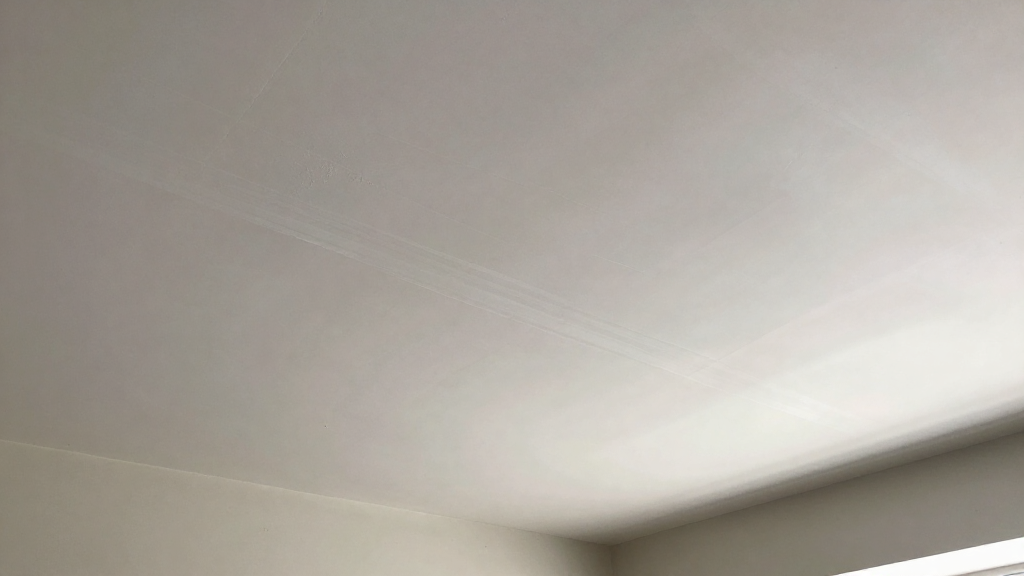
I notice people hesitate the moment the conversation shifts from walls to ceilings. Hands pause mid-air. Eyes move upward. The confidence they had five minutes ago suddenly softens. That reaction makes sense. A ceiling doesn’t give you many chances to hide mistakes.
Walls sit at eye level. Furniture breaks them up. Art distracts from them. Ceilings offer no such mercy. They sit uninterrupted, catching light from every angle, reflecting decisions you made hours or days earlier.
I’ve seen this difference play out repeatedly. A wall with uneven coverage can pass unnoticed for years. A ceiling with the same issue announces itself every morning when sunlight enters the room. The problem isn’t skill alone. The problem is how ceilings behave.
The mistakes that show up immediately & the ones you notice weeks later
Some ceiling mistakes reveal themselves before the paint dries. Heavy roller marks. Drips that gravity refuses to forgive. Patchy areas where the roller ran dry too soon. These feel frustrating but manageable.
The harder ones arrive quietly.
Weeks later, a client mentions that the ceiling looks “cloudy” at certain times of day. Or darker than expected in the evening. Or uneven when the overhead lights turn on. These issues don’t come from bad paint. They come from decisions made early-finish choice, direction of rolling, or ignoring how light moves through the space.
I learn early in my practice that ceilings demand patience not because they are fragile, but because they are honest.
Why ceilings reveal flaws walls forgive
Light skims across ceilings. It doesn’t land; it travels. That movement exaggerates texture, overlap, and inconsistency. Even a subtle change in pressure while rolling creates visible bands once the paint cures.
Walls absorb more visual noise. Ceilings amplify it.
This is why ceilings often look worse halfway through the job and why stopping too early-or overworking the surface-creates long-term problems. A ceiling wants steady rhythm, not correction after correction.
What most first-time ceiling painters underestimate
Most people underestimate three things:
- Physical strain: Neck and shoulder fatigue change how evenly you work.
- Drying time: Ceilings set faster than expected, especially in warm rooms.
- Lighting influence: Natural and artificial light reveal different flaws.
I underestimate these myself once. I rush a ceiling in a softly lit room, confident in my technique. The next morning, daylight exposes roller lines I swear weren’t there the night before. That moment teaches me restraint.
Understanding why ceilings feel risky removes half the fear. The rest comes from knowing what the rules actually protect you from-and that comes next.
What the “Rules for Painting Ceilings” Actually Protect You From
I rarely think of rules as limitations. I think of them as guardrails. They exist to stop you from making the kind of mistakes that feel small in the moment and expensive later.
When people ask me about the rules for painting ceilings, they usually expect a checklist. What they really need is clarity about what can go wrong if certain decisions go unchecked. Once you understand that, the rules stop feeling rigid and start feeling practical.
Rules exist to prevent regret, not creativity
I’ve worked in homes where the ceiling color was bold, layered, and intentional-and absolutely right for the space. I’ve also walked into rooms where the ceiling looked heavy, dull, or unfinished simply because someone followed a trend without understanding the room.
The rule isn’t “never paint a ceiling.”
The rule is never paint a ceiling without understanding what the room asks for.
Creativity thrives when the foundation holds steady. Ceilings form that foundation.
How gravity, light, and angles change everything overhead
Gravity works against you the entire time. Paint behaves differently when you push it upward. Roll too fast, and it splatters. Roll too slow, and it dries unevenly. Pause too long in one area, and overlap marks form quietly.
Light complicates this further. Overhead surfaces reflect light outward, not inward. That reflection exaggerates inconsistencies and changes color perception. A shade that feels soft on a wall can appear harsher on a ceiling once it spreads light across the room.
I learn to respect this interaction early in my design work. I start testing ceiling decisions under real lighting conditions, not showroom ones. That shift alone improves outcomes dramatically.
The one decision that causes most ceiling repaint jobs
Finish choice causes more ceiling repaint jobs than poor technique.
Flat finishes forgive. The higher sheens remember everything.
Many people choose satin or eggshell ceilings because they want durability or easy cleaning. What they gain in washability, they lose in visual calm. Light bounces harder. Texture becomes visible. Small flaws feel intentional-even when they aren’t.
I’ve repainted more ceilings due to finish regret than color regret. Once you understand this, one of the most important ceiling rules becomes clear:
Choose the finish for how the ceiling should feel, not how it should perform.
That understanding sets the stage for the next decision most people struggle with: knowing when painting the ceiling actually makes sense at all.
When Painting the Ceiling Makes Sense & When It’s Better Left Alone

I don’t believe every ceiling needs paint just because the walls are getting attention. Sometimes restraint does more for a room than effort. The challenge lies in knowing the difference before you commit.
I’ve walked into spaces where the ceiling color carried the entire design. I’ve also stood in rooms where repainting the ceiling became the fastest way to restore balance. The outcome always depends on context, not enthusiasm.
Situations where painting the ceiling elevates the entire room
Paint the ceiling when it completes a visual conversation, not when it competes for attention.
Certain rooms benefit from a ceiling that participates:
- Low-ceilinged rooms where a soft, tinted ceiling reduces contrast
- Spaces with minimal natural light where stark white feels harsh
- Rooms with architectural detail that deserves continuity
In these cases, a ceiling color doesn’t lower the room. It grounds it. I often use subtle tonal shifts rather than dramatic contrasts. A ceiling that sits one or two shades lighter than the walls creates cohesion without shouting for attention.
When a ceiling color will work against your space
Leave the ceiling alone when the room already carries visual weight.
Dark furniture, strong wall colors, heavy textures, or limited daylight place enough demand on the eye. Adding ceiling color in those situations often creates a sense of compression. The room doesn’t feel designed-it feels closed in.
I’ve corrected rooms where clients loved the color but hated the feeling. The ceiling wasn’t wrong; it was simply unnecessary.
Ceiling height, room size, and how color perception shifts above eye level
Height changes everything. What feels warm at eye level can feel oppressive overhead. Small rooms magnify this effect. Large rooms soften it.
Color also behaves differently above you. Ceilings reflect light across the room, not back at you. This reflection deepens tones and amplifies undertones. A neutral with a slight gray base can read cool and heavy once it spreads light across four walls.
Before I ever commit to a ceiling color, I ask one question: Will this color help the room breathe or ask it to work harder?
That question alone prevents most ceiling regrets.
Once you decide the ceiling deserves paint, the next step matters even more-thinking through the realities before you open a can.
Before You Open a Paint Can, Think Through These Ceiling Realities
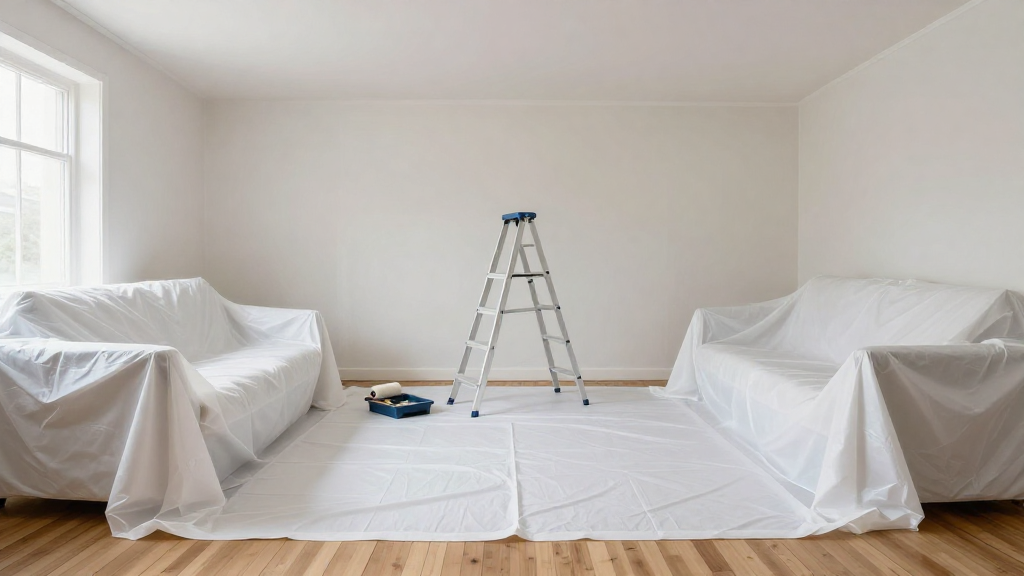
I slow down most at this stage. Not because painting hasn’t started yet, but because this is where outcomes lock themselves in. Once paint touches the ceiling, reversal costs more than patience ever does.
Ceilings don’t reward impulse. They reward foresight.
Ceiling texture and what it allows or limits
Texture decides how forgiving your ceiling will be.
Smooth ceilings show everything. They demand even pressure, consistent rhythm, and restraint. Textured ceilings hide small inconsistencies but introduce their own challenges. Heavy texture absorbs more paint and exaggerates missed spots.
I once work on a renovation where the ceiling texture varied subtly from room to room. The same paint and technique produced different results every time. That experience teaches me to treat texture as a primary decision-maker, not a background detail.
How existing flaws become more visible after painting
Paint doesn’t hide flaws. It outlines them.
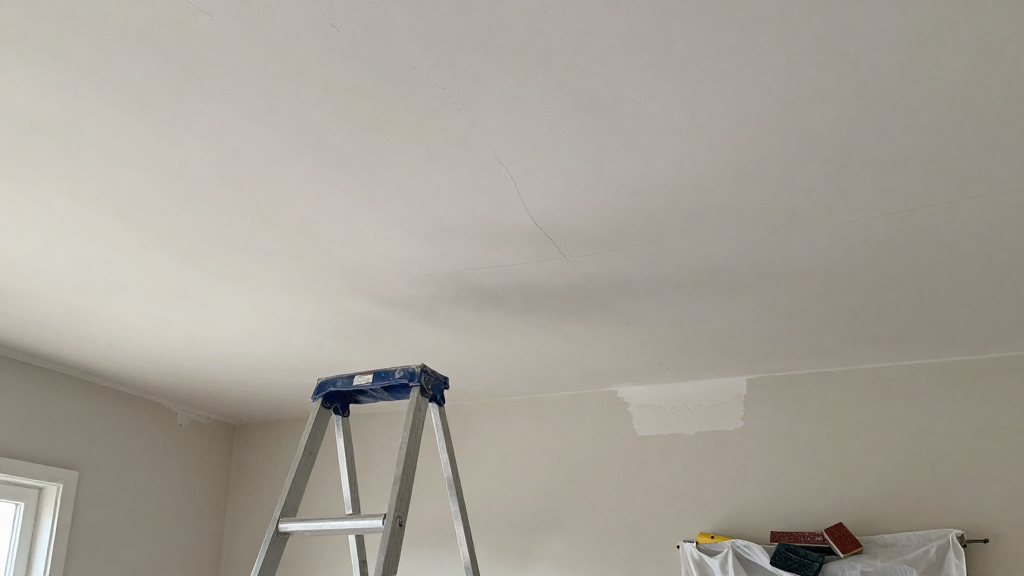
Hairline cracks, nail pops, uneven patches-these seem minor until fresh paint dries over them. The new surface creates contrast, and the flaws stand forward. What felt invisible before suddenly feels intentional.
I always inspect ceilings in angled light before painting. That habit reveals imperfections most people miss. Fixing them takes minutes. Ignoring them guarantees disappointment.
Finish choices and why ceilings behave differently than walls
Ceilings amplify sheen. Even a slight increase in reflectivity magnifies texture and overlap. This isn’t theory; it’s physics.
I treat finish selection as a design decision, not a convenience choice. Flat and matte finishes soften light. They create calm. Higher sheens bounce light aggressively and expose movement patterns.
If a room needs quiet, the ceiling must cooperate.
These realities shape every good ceiling job I’ve seen-and every bad one I’ve fixed. Once you accept them, choosing paint and color becomes less overwhelming and far more intentional.
Choosing Ceiling Paint and Color Without Second-Guessing Yourself
I reach this decision only after I understand the room, the light, and the ceiling’s condition. Choosing paint too early creates doubt later. Choosing it at the right moment creates confidence.
Ceiling paint doesn’t behave like wall paint, and ceiling color doesn’t read the way people expect. Accepting that difference simplifies everything.
Why ceiling paint is formulated differently
Ceiling paint prioritizes control over coverage.
Manufacturers adjust ceiling paint to drip less, spread more evenly, and dry with minimal sheen. Those qualities matter overhead, where gravity and fatigue work against you. A paint that performs beautifully on walls can feel unmanageable on a ceiling.
I’ve tested this difference repeatedly across projects. Ceiling-specific formulas reduce splatter, slow the working time just enough, and create a more uniform finish once dry. That consistency matters more than brand loyalty.
Flat, matte, or satin: How sheen changes light reflection?
Sheen determines mood.
Flat finishes absorb light and soften imperfections. Matte finishes add a hint of durability while maintaining visual calm. Satin finishes reflect light strongly and highlight texture.
I choose flat or matte ceilings in most living spaces. I reserve higher sheens only for functional reasons and only when the ceiling surface is near-perfect. Otherwise, the light becomes distracting.
A simple rule guides me:
- More reflection means more visibility.
- More visibility means less forgiveness.
How to choose a ceiling color that won’t feel darker once it dries
Ceilings often dry darker than expected. Light spreads across them instead of bouncing back. Undertones emerge quietly.
I test ceiling colors larger than wall samples and observe them under real lighting at different times of day. This step feels excessive until it saves a repaint.
When in doubt, I stay lighter than instinct suggests. A ceiling should support the room, not dominate it.
Once the paint decision feels settled, preparation becomes the next quiet success factor-because even the best paint struggles in a poorly prepared space.
Preparing the Room So the Painting Process Feels Controlled, Not Exhausting
I prepare rooms with the same care I give to the paint itself. A ceiling job doesn’t fail because of color alone. It fails when the process feels rushed, uncomfortable, or chaotic. Control prevents that.
The goal isn’t just to protect the space. The goal is to protect your energy and focus while you work overhead.
Setting up lighting that reveals problems before they dry
I never trust existing room lighting when painting ceilings.
Overhead fixtures often hide streaks and overlap until the paint cures. By then, correction becomes difficult. I add temporary lighting at angles that skim the ceiling surface. That light exposes wet edges, thin spots, and pressure changes immediately.
This habit saves hours. It turns guessing into seeing.
Clearing space for movement, not just protecting furniture
Cover furniture, yes-but prioritize movement first.
I clear wide paths so I can roll in consistent passes without stepping around obstacles. Interruptions in movement create uneven coverage. Even a small hesitation leaves a mark once the paint begins to set.
I’ve watched perfectly capable painters struggle simply because they worked around clutter. The ceiling noticed.
Planning your workflow to avoid fatigue and uneven coverage
Fatigue changes technique. Arms drop. Pressure shifts. Rhythm breaks.
I plan ceiling work in sections and schedule pauses before my body asks for them. Short breaks preserve consistency. Long pushes destroy it.
A controlled pace keeps the finish even and the experience manageable. Once the room supports you, surface preparation becomes the final step before paint meets ceiling-and that step deserves its own attention.
Preparing the Ceiling Surface So the Finish Looks Intentional
I treat surface preparation as quite craftsmanship. Nobody notices it when it’s done right, but everyone feels it when it’s rushed. A ceiling doesn’t need perfection. It needs intention.
Paint magnifies whatever already exists. Preparation decides whether that magnification flatters or exposes.
Cleaning ceilings that don’t look dirty, but are
Most ceilings carry residue you can’t see. Dust, cooking oils, humidity film, and settled particles collect slowly and evenly. They don’t announce themselves, but they interfere with adhesion.
I’ve painted over ceilings that looked clean and watched the paint behave unpredictably. Uneven drying, poor coverage, subtle patchiness. A simple wipe-down would have prevented all of it.
I clean ceilings lightly but thoroughly, especially in kitchens, bathrooms, and rooms with ceiling fans. Paint bonds better when the surface cooperates.
Fixing small imperfections that paint will exaggerate
Hairline cracks feel harmless until fresh paint frames them.
I scan ceilings under angled light and mark imperfections before I forget where they are. Filling, sanding, and smoothing these spots takes minutes. Skipping them guarantees frustration.
I’ve learned this the hard way-standing beneath a finished ceiling, knowing exactly where I chose speed over care. That knowledge never feels worth it.
When priming is essential and when it’s unnecessary
Primer isn’t automatic. It’s strategic. I prime when the ceiling shows water stains or discoloration.
Repairs create uneven porosity
I skip primer only when the surface and color allow it. Over-priming wastes time. Under-priming risks inconsistency. Knowing the difference comes from experience-and attention.
Once the ceiling surface feels honest and ready, painting stops being intimidating. It becomes mechanical, rhythmic, and controlled. That’s when technique matters most.
How to Paint a Ceiling Without Streaks, Patches, or Neck Strain
This is the point where people expect secrets. The truth is simpler. Good ceiling work comes from rhythm, restraint, and respect for how paint behaves overhead. Once I internalize that, technique stops feeling complicated.
I don’t rush ceilings. I let them dictate the pace.
Roller selection and why nap length matters overhead
Roller choice sets the ceiling’s tone before the first pass.
A nap that’s too short forces you to press harder, which creates pressure lines. A nap that’s too long holds excess paint and releases it unevenly. I choose a nap that carries enough paint to stay wet without dripping-usually longer than what I’d use on walls.
That balance allows the roller to glide instead of fight gravity.
How professionals load and release paint on a ceiling
I load the roller fully and evenly. I don’t scrape it dry. I let the paint do the work.
When the roller touches the ceiling, I release paint gently in a controlled pattern. I avoid sharp starts and stops. Abrupt movements leave visible edges once the paint begins to set.
I remind myself often: a ceiling remembers hesitation.
Direction, overlap, and keeping a consistent wet edge
Direction matters more overhead than anywhere else.
I work in parallel passes and maintain a steady overlap. I never jump around to “fix” spots while the paint is wet. That instinct creates patchiness. Instead, I trust the process and keep the wet edge alive.
If something looks imperfect mid-roll, I keep moving. Most ceilings settle as they dry. Interference does more harm than patience ever will.
Once the paint is on, restraint becomes the final skill. Knowing when to step back protects the work you’ve already done-and that moment matters more than most people realize.
Knowing When to Stop, Step Back, and Let the Ceiling Settle
I’ve learned this lesson more times than I’d like to admit. Most ceiling mistakes don’t come from poor application. They come from interference-touching paint that no longer wants attention.
A ceiling rewards confidence, not correction.
Why ceilings often look worse before they look finished
Fresh ceiling paint looks uneven while it’s drying. Light shifts. Wet edges catch differently. Thin areas appear exaggerated.
This phase triggers panic. I’ve felt it myself.
But ceilings level as they cure. Paint relaxes. Overlap softens. What looks wrong mid-process often resolves on its own. The hardest part is trusting that outcome.
Timing the second coat without disturbing the first
I wait longer than instinct suggests.
Ceilings set from the outside in. Touch-dry doesn’t mean ready. Rushing the second coat drags partially cured paint and creates texture that no amount of rolling can hide.
I test gently in inconspicuous areas and watch how the surface responds. Patience here saves entire repaint jobs.
How lighting can temporarily distort your perception
Lighting lies while paint is wet.
Warm bulbs exaggerate yellow tones. Daylight flattens contrast. Shadows create illusions of streaking. I assess ceilings under multiple lighting conditions only after they’ve cured.
Judging too early leads to overworking. Overworking leads to damage.
Once the ceiling settles, finishing touches deserve calm, deliberate attention. Rushing the final steps undoes everything that came before.
Finishing Touches That Separate a Clean Ceiling from a Rushed One

I slow down again at the end. The ceiling may look finished, but the work isn’t complete until the details align with the effort already invested. This stage doesn’t take long, but it decides how polished the result feels.
Ceilings don’t need perfection. They need care.
Removing tape without damaging fresh paint
I never rush tape removal.
Paint forms a delicate bond at edges. Pull too quickly, and the paint lifts. Wait too long, and the edge tears unevenly. I remove tape slowly, at an angle, while the paint is set but not fully hardened.
That timing keeps lines clean and avoids touch-ups that draw attention overhead.
Reinstalling fixtures without scuffing the surface
Fixtures return gently.
I support their weight fully before bringing them close to the ceiling. Even a light scrape leaves a mark that the eye catches instantly once lighting turns on. Clean hands and steady placement matter more than speed.
I’ve learned to treat this step as part of the painting process, not an afterthought.
How long to wait before judging the final result
I give ceilings time.
Paint needs days-not hours-to reveal its true finish. Color stabilizes. Sheen evens out. Light interacts honestly. Judging too early invites unnecessary fixes.
When I step back after that waiting period, the ceiling either feels right or quietly disappears into the room. That disappearance is success.
The Ceiling Painting Rules Professionals Never Ignore
I’ve painted, designed, corrected, and lived with enough ceilings to know this: rules don’t limit creativity. They protect intention.
These are the principles I return to every time.
Patience shows more on ceilings than anywhere else. Rushing always leaves evidence overhead. Slowing down removes it.
Light decides whether your ceiling succeeds or fails
Always respect how light moves across the surface. Paint answers to it, not the other way around.
The simplest rule that saves most ceilings from redo work. Stop touching the paint before it asks for your help.
Follow that rule, and most ceilings take care of themselves.
A well-painted ceiling doesn’t ask for attention. It supports the room quietly, confidently, and completely.
A Quiet Note on Experience
I’ve spent years designing interiors where ceilings decide whether a space feels finished or forever unfinished. My training in interior architecture taught me proportions, materials, and light on paper. Real homes taught me humility. They taught me that ceilings don’t respond to theory alone. They respond to observation, patience, and repetition.
After a decade of working with real rooms, real clients, and real constraints, I’ve learned to trust ceilings when I respect them. I don’t rush them. I don’t over-style them. I let them support the space the way good design always should-silently.
If there’s one thing I hope stays with you, it’s this: a ceiling done well rarely gets compliments, but a ceiling done poorly never gets forgotten.
Paint it with intention, and it will disappear in the best possible way.