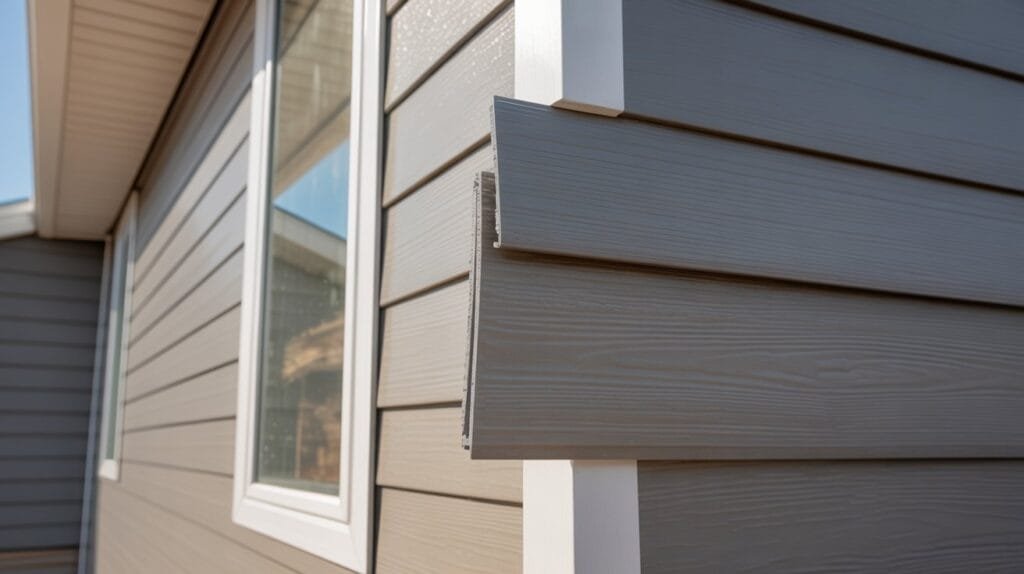
When it comes to choosing vinyl siding for your home, thickness is a critical factor that can significantly impact both performance and appearance.
As a certified home improvement professional with over 12 years of experience, I’ve seen the effects of choosing the right thickness firsthand.
In this guide, I’ll break down everything you need to know about vinyl siding thickness to help you make an informed decision for your home.
Why Vinyl Siding Thickness Matters
Vinyl siding thickness directly influences durability, insulation properties, and overall aesthetic quality. Here’s how:
- Durability: Thicker panels tend to withstand impacts and weather changes better than thinner options. This means less chance of cracks or warping over time.
- Insulation: Some thicker vinyl siding options come with added insulation backing, improving your home’s energy efficiency by helping to regulate indoor temperatures.
- Visual Appeal: Thicker siding often appears more authentic and high-end. It mimics the look of traditional wood siding better, providing a more attractive finish.
Vinyl Siding Thickness Explained
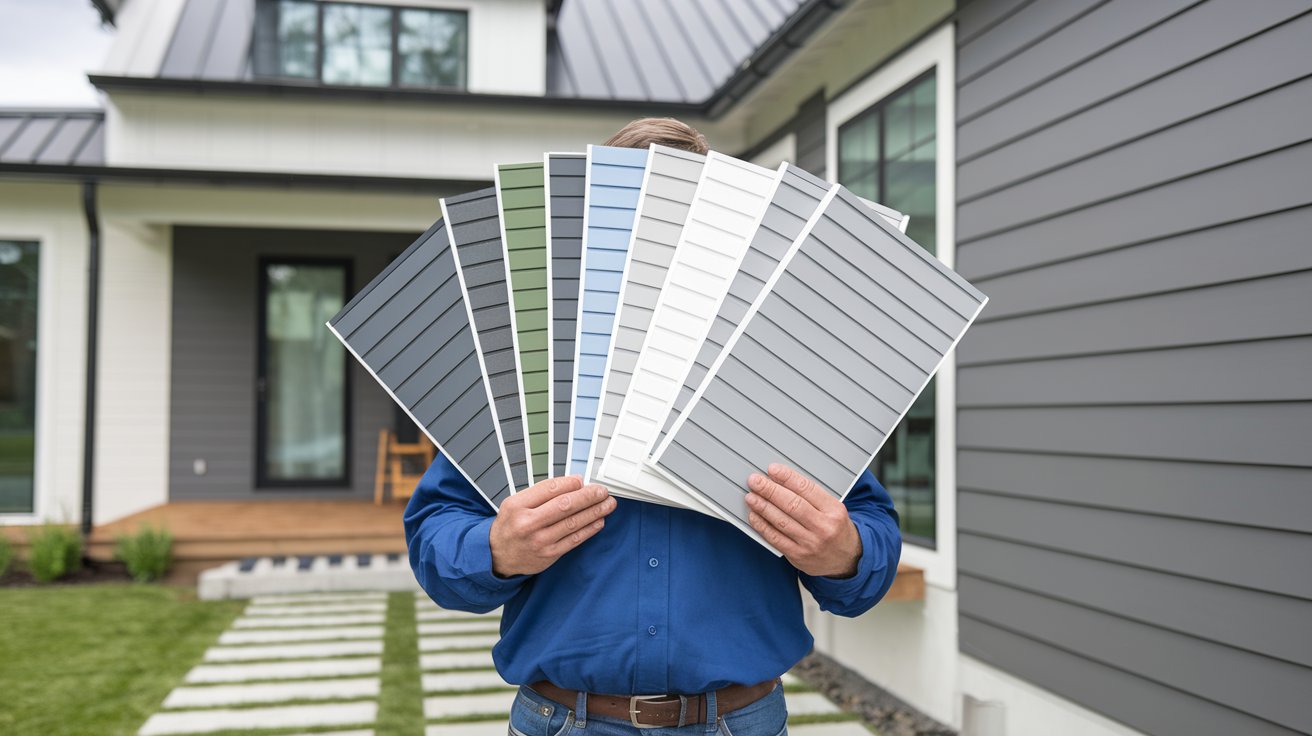
Vinyl siding panels are typically available in various thicknesses, measured in mils (one mil equals one-thousandth of an inch):
| Thickness (mils) | Description | Best Use Cases |
|---|---|---|
| 30-40 mils | Economy grade, usually very thin | Short-term or budget applications |
| 40-44 mils | Standard residential grade, moderate thickness | Typical family homes |
| 46-50 mils | Premium grade, thicker for durability | Long-term investments, harsh climates |
| Over 50 mils | High-end, extra durability, and insulation | Luxury homes, extreme weather areas |
Thickness is just one factor, so homeowners often compare it with broader siding pros and cons before choosing.
Understanding the R-Value
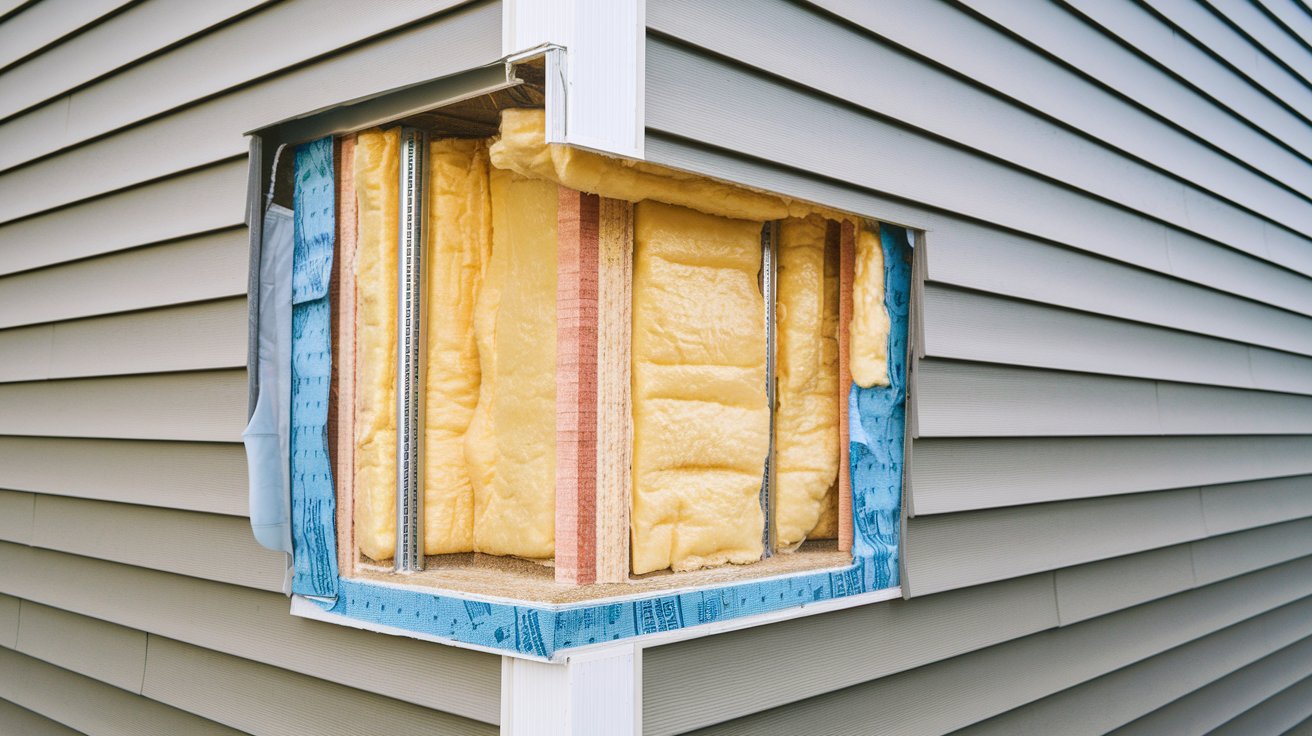
The R-value measures insulation effectiveness, with higher values indicating better insulation properties. While the siding itself is not a primary insulator, thicker panels can have an R-value advantage:
- Basic Vinyl (0.040-0.044 inches): Limited additional insulation; suitable for moderate climates.
- Insulated Vinyl (0.046 and above): These panels often incorporate foam backing, adding an R-value of up to 5 or more, making them more energy-efficient.
Practical Considerations When Selecting Vinyl Siding Thickness
Here are some key points to consider when selecting the thickness of your vinyl siding:
Climate Considerations: If you live in an area with severe weather conditions or temperature fluctuations, opt for thicker siding for better resilience.
Long-Term Investment: Thicker vinyl siding often comes with longer warranties (up to 40 years), giving you peace of mind.
Cost vs. Value: While thicker siding may come with a higher upfront cost, it can save you money in maintenance and heating/cooling bills over time.
Quick Tips for Choosing Siding Thickness
- Test Samples: Feel the weight and thickness of various samples to gauge their sturdiness.
- Research Brands: Not all vinyl siding is created equal. Look for reputable manufacturers known for quality.
- Consult a Professional: If in doubt, leverage the expertise of a home improvement professional to help you select the right thickness based on your home’s needs.
If you’re new to the material itself, understanding how vinyl siding works helps before comparing thickness options.
FAQs About Vinyl Siding Thickness
What is the thinnest vinyl siding I can use?
Economical options exist as thin as 0.030 inches, but I strongly recommend avoiding anything thinner than 0.040 inches for residential applications, as they’ll be more prone to warping and damage.
Can I paint vinyl siding?
If you choose to paint, thicker siding generally holds paint better. Make sure to use paint that is specifically formulated for vinyl.
Does thicker siding mean better energy efficiency?
Not necessarily. While thicker panels may offer better insulation properties, it’s essential to check if they have additional insulation backing for maximum energy efficiency.
Conclusion
Choosing the right vinyl siding thickness is essential for maximizing durability, insulation, and overall visual appeal.
By carefully considering your home’s climate, your budget, and the long-term benefits, you’ll be much better prepared to select the perfect vinyl siding for your project.