
I’ve worked on homes where siding was chosen purely on price, and regretted five years later. I’ve also seen homeowners spend slightly more upfront and enjoy decades of worry-free living.
Siding decisions don’t usually get much attention, yet they quietly affect maintenance, comfort, resale value, and even how proud you feel pulling into your driveway.
If you’re considering vinyl siding, you’re probably asking a practical question:
Is vinyl siding really worth it for my home?
Let’s answer that honestly, using real-world experience rather than brochure promises.
Quick Answer: Is Vinyl Siding a Good Choice for Most Homes?
For many homeowners, yes, vinyl siding is a smart, practical choice, especially if you want:
-
Affordable installation
-
Low long-term maintenance
-
Good durability for the price
-
Many style and color options
-
Freedom from repainting cycles
But vinyl siding isn’t perfect, and it isn’t right for every home or climate.
At a glance:
| Situation | Vinyl Siding Works Well | Consider Alternatives |
|---|---|---|
| Budget-conscious renovation | ✅ | |
| Rental properties | ✅ | |
| Starter or mid-range homes | ✅ | |
| Luxury or historic homes | ✅ | |
| Extreme climate zones | ✅ sometimes | |
| Long-term premium resale goals | ✅ sometimes |
I often tell homeowners:
Vinyl siding works extremely well when expectations match reality.
Problems begin when people expect premium-material performance at economy pricing.
Who Should Choose Vinyl Siding – And Who Shouldn’t?
Let’s simplify the decision.
Vinyl siding is a strong fit if:
-
You don’t want to repaint your home every few years.
-
You want solid value for the money spent.
-
You’re focused on comfortable living rather than luxury resale appeal.
-
Low maintenance matters to your lifestyle.
-
You own a rental or investment property.
Vinyl siding may disappoint you if:
-
You want a high-end or architecturally authentic exterior.
-
You live in regions with extreme cold or intense heat.
-
You expect siding alone to significantly raise resale value.
-
Environmental impact is your top priority.
I once worked with a homeowner who chose vinyl for a heritage-style renovation to save money. Six months later, they admitted:
“It saved money, but it doesn’t feel right for the house.”
And that’s the lesson.
Exterior materials should match the personality of the home, not just the renovation budget.
What Vinyl Siding Actually Is? Why It Became Popular?
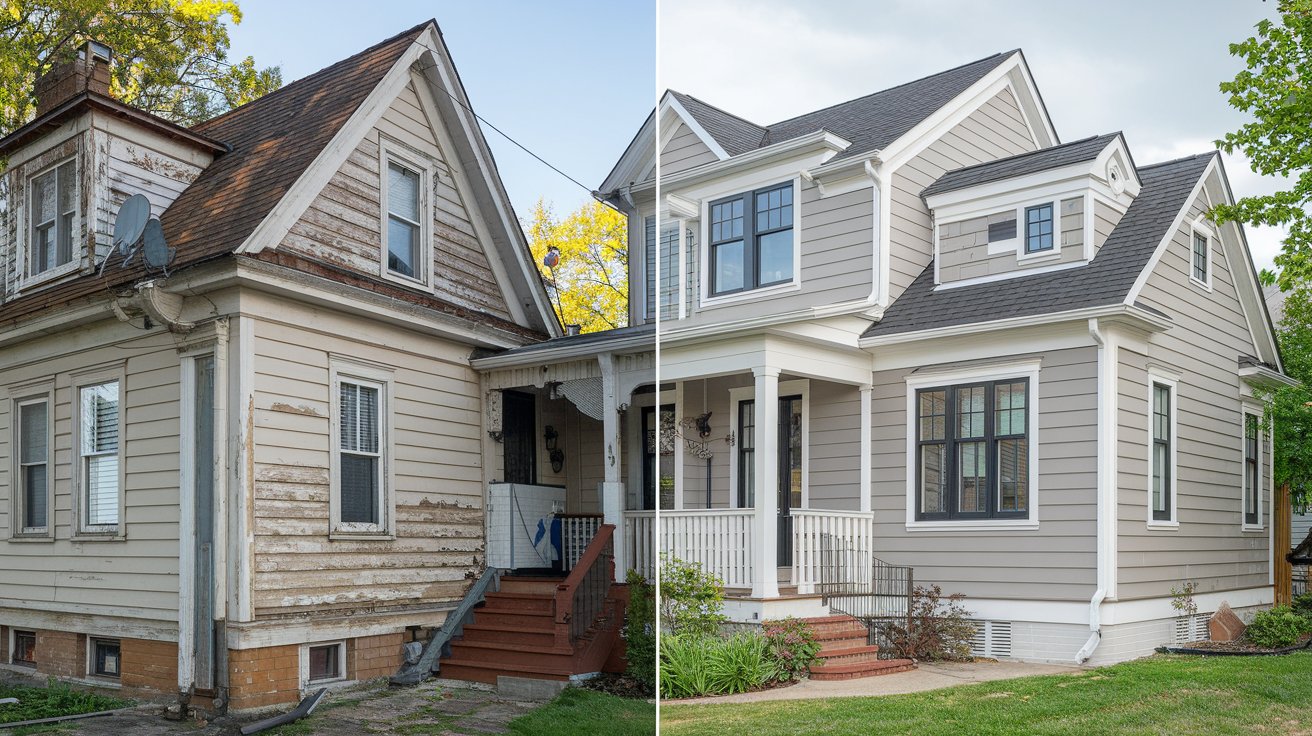
Vinyl siding became popular because it solved problems homeowners constantly faced with older materials, especially maintenance and cost.
If you’re still getting familiar with the material itself, you may want to read our full guide on what vinyl siding is and how it works before comparing pros and cons.
Before vinyl, many homes dealt with:
-
Rotting wood
-
Peeling paint
-
Insect damage
-
Frequent and expensive upkeep
Vinyl siding offered relief from that cycle, giving homeowners a durable exterior that didn’t need repainting every few years.
Modern products have also improved dramatically. Early vinyl siding from decades ago earned a poor reputation for being thin and easily damaged. Today’s versions are typically thicker, more fade-resistant, and available in textures that resemble painted wood from a distance.
If you’re new to the material and want a deeper explanation of how vinyl siding works and how it evolved, see our full guide on what vinyl siding actually is.
Vinyl Siding Style Options Today
Vinyl siding now comes in many profiles, including:
-
Traditional horizontal lap siding
-
Dutch lap styles
-
Vertical board-and-batten designs
-
Shake and shingle looks
-
Modern smooth panels
Design flexibility has improved significantly, and mixing styles on different parts of the home often makes vinyl look more custom and less builder-grade.
Why Thickness and Quality Matter
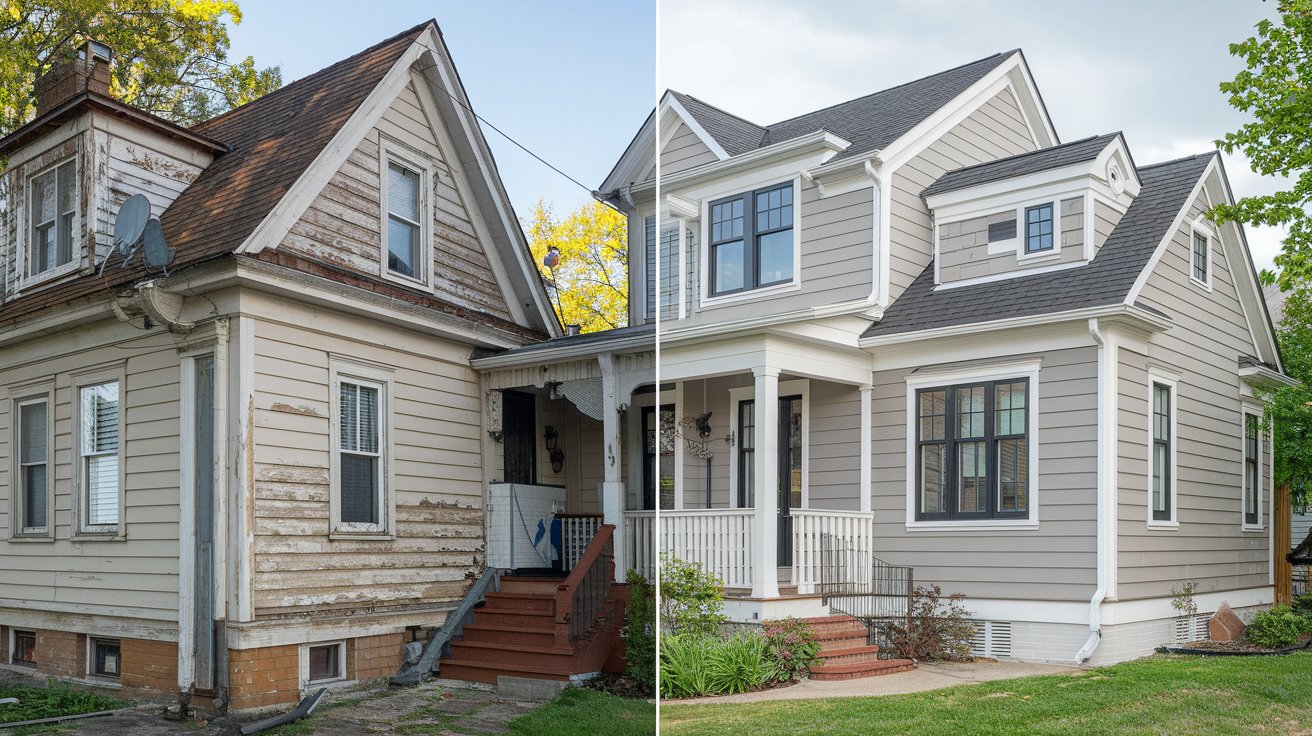
One area homeowners often overlook is siding thickness.
Thicker panels generally:
-
Resist impact better
-
Handle wind pressure more effectively
-
Look sturdier on the wall
-
Last longer over time
Choosing the cheapest siding often leads to repairs or early replacement later.
Because thickness affects durability, appearance, and performance, it’s worth understanding before buying. Our detailed guide on vinyl siding thickness breaks down what homeowners should look for.
If you want to dive deeper into panel quality before buying, here’s a practical breakdown of vinyl siding thickness and which grade homeowners should choose.
Vinyl Siding Pros and Cons at a Glance (Decision Snapshot)
Before diving deep, here’s the honest summary I give homeowners.
Biggest Advantages Homeowners Notice First
✔ Affordable installation
✔ Very low maintenance
✔ No painting required
✔ Many colors and styles
✔ Rot and pest resistant
✔ Quick installation
Most Common Complaints After Installation
✖ Cracks in cold climates
✖ Color fading after years
✖ Can look cheap if low quality
✖ Hard to perfectly colour-match repairs
✖ Possible moisture issues from bad installation
One-Minute Decision Framework
Ask yourself:
- Do I want minimal maintenance?
- Is the budget important?
- Do I plan to stay 5–15 years?
- Am I okay with practical over premium?
If you answered yes, vinyl is likely a good fit.
If your priority is prestige, longevity beyond decades, or premium appearance, other materials may serve better.
The Real Pros of Vinyl Siding (From Long-Term Use)
When homeowners ask me about vinyl siding, I don’t talk about brochures or showroom samples. I think about homes I’ve revisited years later-the ones where siding still looks good with minimal effort, and owners still feel satisfied with their decision.
The real advantages appear after living with siding, not just after installation day.
Let’s walk through the benefits homeowners actually notice over time.
Lower Upfront Cost Compared to Most Alternatives
This is the main reason vinyl became so popular-and honestly, it still matters.
When comparing full siding replacement projects, costs usually look something like this:
| Material | Typical Installed Cost | Maintenance Over 20 Years |
|---|---|---|
| Vinyl | Lowest | Very low |
| Engineered wood | Medium | Medium |
| Fiber cement | Medium-high | Medium |
| Wood siding | High | High |
| Brick or stone veneer | Highest | Low |
One couple I worked with planned fiber cement siding. After quotes came in, they realized vinyl saved nearly 30–40% upfront, freeing budget for better windows and insulation.
Five years later, they still feel good about the decision.
Sometimes, spending smarter matters more than spending bigger.
Minimal Maintenance Over 20–30 Years
This is vinyl’s biggest real-world win.
With wood siding, homeowners often deal with:
-
Painting every 5–8 years
-
Rot repairs
-
Caulking maintenance
-
Insect damage
-
Moisture problems
Vinyl? Usually just cleaning.
Typical maintenance looks like:
-
Rinse siding once or twice per year
-
Clean mildew or dirt with mild soap if needed
-
Inspect panels after major storms
That’s it.
One client once joked:
“I spend more time washing my car than my siding.”
And honestly, that’s true for many homes.
No Regular Painting Required
Painting an exterior is expensive and disruptive.
Repainting often costs:
-
$3,000–$10,000+
-
Every 7–10 years
Vinyl’s color runs through the material, so it doesn’t peel or chip like paint.
You avoid:
-
Paint scraping
-
Primer and labor costs
-
Weather delays
-
Repeated disruption
Some homeowners eventually paint vinyl for a color change, but most happily avoid the cycle altogether.
Wide Range of Styles and Colors
Older vinyl siding offered limited choices. Today’s options are much broader.
Modern vinyl includes:
-
Wood-grain textures
-
Matte and low-gloss finishes
-
Deep modern colors
-
Neutral classics
-
Shake and shingle profiles
-
Vertical and horizontal styles
You can now match:
-
Farmhouse designs
-
Modern homes
-
Traditional suburban styles
-
Coastal homes
-
Craftsman architecture
In a recent project, we used vinyl shakes in gables and lap siding below. Most visitors assumed it was wood.
Design flexibility has improved dramatically.
Moisture and Rot Resistance
This advantage becomes clearer over time.
Wood siding absorbs moisture and can develop:
-
Rot
-
Mold
-
Warping
-
Pest damage
Vinyl itself doesn’t rot or attract insects.
However, and this matters, performance still depends on proper installation and moisture barriers behind it. Vinyl isn’t magic, but installed correctly, it reduces many long-term risks.
Homes with old wood siding often reveal hidden damage once removed. Vinyl avoids much of that scenario.
Quick Installation Reduces Labor Costs
Installation speed affects both cost and disruption.
Vinyl siding:
-
Installs faster than many materials
-
Requires fewer specialized tools
-
Shortens labor time
-
Reduces home exposure during renovation
Less construction time means:
-
Lower labor bills
-
Less disruption
-
Faster project completion
Most vinyl projects wrap up noticeably quicker than fiber cement or engineered wood installations.
Repairing Individual Panels Is Possible
Unlike some materials, vinyl panels can often be replaced individually.
This helps when:
-
Storm debris damages one section
-
Lawn equipment hits lower panels
-
Accidental impacts occur
A technician can unhook damaged pieces and replace them without removing entire walls.
The only challenge: color matching older siding can be tricky due to fading, but repairs are still easier than with many alternatives.
Modern Options That Improve Insulation Efficiency
Insulated vinyl siding has grown in popularity.
Foam-backed panels improve:
-
Impact resistance
-
Wall rigidity
-
Sound dampening
-
Slight energy efficiency gains
Energy savings vary, but homeowners often notice:
-
Slightly improved comfort
-
Less wall temperature fluctuation
-
Reduced drafts in older homes
It won’t replace proper insulation, but it adds value.
Quick Tips From Experience
Tip 1: Spend slightly more on thicker siding-it pays off long term.
Tip 2: Choose lighter or mid-tone colors in hot climates.
Tip 3: Hire experienced installers; installation matters more than brand.
Tip 4: Mix siding styles to create a more custom appearance.
Vinyl siding earns its popularity through practical advantages, not luxury appeal. But advantages always come with trade-offs.
Next, we’ll look at the real cons homeowners face, including problems people often discover only after installation.
The Real Cons of Vinyl Siding (What Installers Don’t Always Mention)
Now let’s talk honestly.
Vinyl siding works well in many situations, but problems arise when homeowners are told it’s perfect. No siding material is.
Over the years, I’ve visited homes where vinyl performed beautifully-and others where owners were frustrated within just a few seasons.
Most problems trace back to climate, product quality, or installation shortcuts.
Here are the real drawbacks you should understand before deciding.
Vulnerability to Cracking in Cold Weather
Vinyl becomes less flexible in freezing temperatures.
In very cold regions, impacts from:
-
Hail
-
Falling branches
-
Lawn equipment
-
Kids throwing balls
-
Snow shovels
can crack panels more easily.
I once saw a homeowner accidentally crack three panels while clearing snow near the wall.
In milder climates, this rarely becomes an issue. But in severe winters, it’s something worth considering.
Thicker premium siding reduces this risk significantly.
Heat Damage and Warping Risks
Heat affects vinyl too.
Problems usually arise from:
-
BBQ grills placed too close to walls
-
Fire pits near siding
-
Reflected sunlight from nearby windows
-
Extremely hot climates
I once worked on a home where reflected sunlight from a neighbor’s window melted sections of siding daily in the afternoon.
It sounds rare, but it happens more often than people expect.
Proper spacing and installation help, but vinyl will always be less heat-resistant than materials like fiber cement or brick.
Color Fading Over Time
Modern vinyl resists fading better than older products, but fading still occurs, especially:
-
On darker colors
-
On walls receiving heavy sun exposure
-
After 10–15 years
One side of a home may look newer simply due to sun direction.
The bigger challenge appears during repairs.
If a panel needs replacing years later, the new piece may not match perfectly, making repairs noticeable.
Moisture Problems From Poor Installation
Vinyl itself doesn’t trap water, but poor installation can.
Common installer mistakes include:
-
Improper flashing around windows and doors
-
Missing weather barriers
-
Incorrect nail spacing
-
Panels installed too tightly
-
Poor sealing around openings
Water can then sneak behind siding, causing:
-
Mold growth
-
Wood rot
-
Structural damage
And homeowners often don’t notice until repairs become expensive.
I’ve opened walls that looked perfect outside but were severely damaged underneath.
This is why installer quality matters more than siding brand.
Repairs Can Be Noticeable Due to Color Mismatch
Vinyl panels slowly change color due to sun exposure.
So when damaged sections get replaced:
-
New panels look fresher
-
Older siding looks faded
-
Color differences stand out
Solutions include:
-
Replacing entire wall sections
-
Moving panels from hidden areas
-
Accepting slight variation
Repairs are possible-but not always invisible.
May Not Increase Home Value Like Premium Materials
Vinyl siding improves curb appeal, but it doesn’t always add prestige.
Premium materials like:
-
Fiber cement
-
Natural wood
-
Brick
-
Stone veneer (often carries a stronger appeal in higher-end markets)
Buyers sometimes view vinyl as a cost-saving choice rather than a premium upgrade.
Still, replacing worn siding with clean vinyl usually improves saleability compared to neglected exteriors.
Environmental Concerns Around PVC Production
Vinyl siding is made from PVC plastic, which raises environmental concerns:
-
Fossil fuel use in production
-
Limited recycling availability
-
Manufacturing impact
Some manufacturers now offer recycling programs, but sustainability remains weaker compared to wood-based or fiber-cement materials.
Environmentally focused homeowners sometimes choose alternatives for this reason alone.
Can Look Cheap If Low-Quality Products Are Used
This is vinyl’s biggest image problem.
Thin, glossy, low-cost siding can:
-
Look wavy or flimsy
-
Show uneven walls underneath
-
Reduce curb appeal
-
Age poorly
But this is usually a product choice problem, not a vinyl problem itself.
Better products:
-
Have realistic textures
-
Maintain shape better
-
Look far more convincing
In short:
Cheap vinyl looks cheap.
Quality vinyl looks respectable.
Quick Reality Check: Most Complaints Trace Back to Three Things
From years of observing siding performance, most dissatisfaction comes from:
-
Choosing the lowest-cost product
-
Poor installation
-
Material mismatch for climate
Quick Tips to Avoid Vinyl Regret
✔ Choose thicker panels
✔ Hire experienced installers
✔ Use proper moisture barriers
✔ Avoid very dark colors in hot climates
✔ Keep heat sources away from walls
Vinyl siding succeeds when expectations match reality, and installation is done right.
Now, let’s go deeper into something homeowners rarely consider until later:
How vinyl siding performs in different climates-and why location changes everything.
How Vinyl Siding Performs in Different Climates
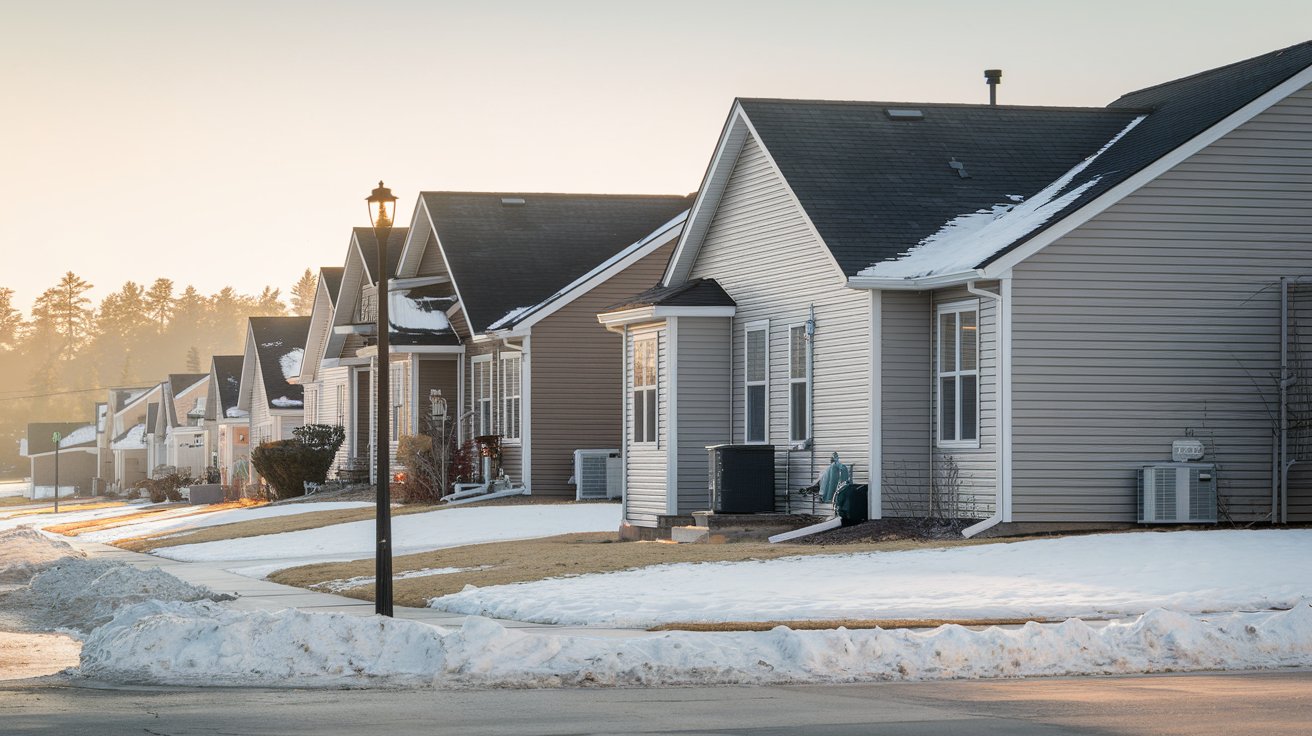
One lesson I’ve learned after working on homes across different regions is this:
Climate often decides whether vinyl siding feels like a smart choice or a regret.
The same siding can perform beautifully in one area and struggle in another. Homeowners often blame the material when the real issue is climate compatibility.
Before deciding, it helps to understand how vinyl behaves where you live.
Cold & Snowy Regions
Vinyl siding works in cold climates-but with conditions.
The main issue is brittleness in freezing temperatures. When temperatures drop, vinyl becomes less flexible, so impacts that wouldn’t matter in warmer weather can crack panels.
Common cold-weather damage comes from:
-
Snow shovels are hitting the siding
-
Ice chunks falling from roofs
-
Snowballs with hidden ice
-
Hail storms
-
Falling branches
I’ve replaced siding sections damaged simply because someone knocked into the wall while clearing snow.
Still, many homes in snowy regions use vinyl successfully when:
-
Thicker, premium panels are installed
-
Snow removal is done carefully
-
Impact-prone areas are protected
-
Installation allows for expansion and contraction
Key takeaway: Vinyl works, but impact risks increase in extreme cold.
Hot & Sunny Regions
Heat introduces different challenges.
Vinyl expands in heat and contracts in cooler temperatures. Good installers allow room for movement. Poor installation leads to buckling or warping.
Extreme heat can also cause melting or distortion.
Typical problems occur when:
-
BBQ grills sit too close to the walls
-
Fire pits are near the siding
-
Sunlight reflects intensely from nearby windows
-
Very dark siding absorbs excess heat
I once worked on a home where reflected sunlight from a neighbor’s window melted panels every afternoon. The homeowner thought the siding was defective-it was simply physics.
Solutions include:
-
Choosing lighter siding colors
-
Keeping heat sources away from walls
-
Installing heat shields if needed
-
Using higher-quality siding
Vinyl performs well in heat when managed properly.
Coastal & Humid Environments
Vinyl siding performs well in humid areas compared to wood.
Humidity causes serious issues for wood siding:
-
Rot
-
Mold
-
Insect damage
-
Warping
Vinyl avoids many of these problems.
However, coastal areas introduce wind and salt exposure.
High winds can:
-
Loosen panels
-
Blow panels off if poorly installed
-
Damage corners and edges
Salt air also slowly affects exterior materials.
Proper installation and wind-rated products are especially important in coastal zones.
Storm & Wind-Prone Areas
Vinyl panels are designed to flex under wind pressure, but performance depends heavily on installation quality.
Problems usually occur when:
-
Panels are nailed too loosely
-
Edges aren’t secured correctly
-
Older siding was poorly installed
-
Storms exceed product design limits
Modern premium siding can carry wind ratings exceeding 100 mph, but installation must match those standards.
In severe storm zones, some homeowners prefer heavier materials like fiber cement for extra peace of mind.
Climate Suitability Snapshot
| Climate | Vinyl Performance | Main Concern |
|---|---|---|
| Mild climates | Excellent | Minimal issues |
| Cold regions | Good with caution | Cracking risk |
| Hot sunny areas | Good with care | Warping or melting |
| Humid climates | Very good | Installation quality |
| Coastal zones | Good with proper install | Wind & salt exposure |
| Severe storm zones | Mixed | Panel blow-off risk |
Climate Decision Tip I Give Clients
I often tell homeowners:
If your climate regularly breaks siding, the siding isn’t the only problem; installation and material quality need upgrading.
Most vinyl failures come from a mismatch, not inherent flaws.
Next, let’s move into something homeowners always ask, but installers rarely explain clearly:
How long vinyl siding actually lasts-and what determines whether it survives 10 years or 30.
Lifespan and Durability: What to Expect in Real Homes
One question comes up in almost every siding consultation:
“How long will vinyl siding actually last?”
Not brochure numbers-real life.
After seeing hundreds of homes at different ages, the honest answer is:
Vinyl siding typically lasts 20–30 years, sometimes longer, but lifespan depends heavily on installation quality, climate, and maintenance.
I’ve seen siding still looking great after 25 years, and I’ve also seen homes needing replacement in under 12 years. The difference usually isn’t the material-it’s how it was installed and maintained.
Let’s look at what really affects durability.
Average Life Expectancy
Manufacturers often advertise 30–40 years, but real-world conditions vary.
Typical scenarios look more like this:
| Situation | Expected Lifespan |
|---|---|
| Excellent install + mild climate | 30+ years |
| Good install + normal climate | 20–25 years |
| Poor install or harsh climate | 10–18 years |
| Low-quality siding | 10–15 years |
Durability depends more on workmanship than most homeowners realize.
I once revisited a home where siding still looked great after 22 years because the installer handled expansion gaps, sealing, and moisture barriers correctly.
On the flip side, I’ve seen five-year-old siding already warping due to rushed installation.
Factors That Shorten Siding Life
From experience, early siding failure usually comes from predictable causes.
1) Poor Installation
Common problems include:
-
Panels nailed too tightly
-
Incorrect flashing
-
Missing moisture barriers
-
Poor trimming around openings
-
Incorrect panel overlap
Most water and expansion problems start here.
2) Cheap Materials
Thin siding:
-
Cracks more easily
-
Warps faster
-
Shows wall imperfections
-
Ages poorly
Saving upfront often costs more later.
3) Extreme Climate Exposure
Constant sun, storms, or freezing temperatures accelerate wear.
Homes with strong sun exposure often show fading sooner on south- and west-facing walls.
4) Heat Damage
Grills, fire pits, or reflected sunlight can permanently distort panels.
I’ve seen siding melt after a grill sat too close to the wall just once.
5) Neglected Maintenance
Even low-maintenance siding needs occasional cleaning.
Dirt and mildew left for years can permanently stain panels.
Signs It’s Time to Replace Vinyl Siding
Homeowners often ask how to know when siding has reached the end of its life.
Watch for:
-
Multiple cracked panels
-
Warping or buckling walls
-
Frequent loose panels
-
Severe fading or patchy color
-
Mold or moisture problems
-
Rising energy bills from insulation failure
-
Widespread storm damage
If repairs keep piling up, replacement usually makes more sense.
A Real Homeowner Story
One homeowner I worked with replaced siding after 18 years. Structurally, it was still functioning, but color fading and visible repairs bothered them.
Their comment stuck with me:
“It served its purpose. Now we want the house to feel fresh again.”
And that’s fair. Replacement is often aesthetic, not structural.
Durability Quick Tips
✔ Choose thicker premium siding
✔ Invest in proper installation
✔ Keep heat sources away from walls
✔ Wash siding once or twice per year
✔ Fix small problems early
Vinyl siding lasts well when expectations match real conditions-and when installation is done right.
But here’s the part many homeowners overlook:
Even the best siding fails if installation is poor.
Next, we’ll explore why installation quality matters more than material choice-and the mistakes that cause most siding failures.
Vinyl Siding Installation Matters More Than Material
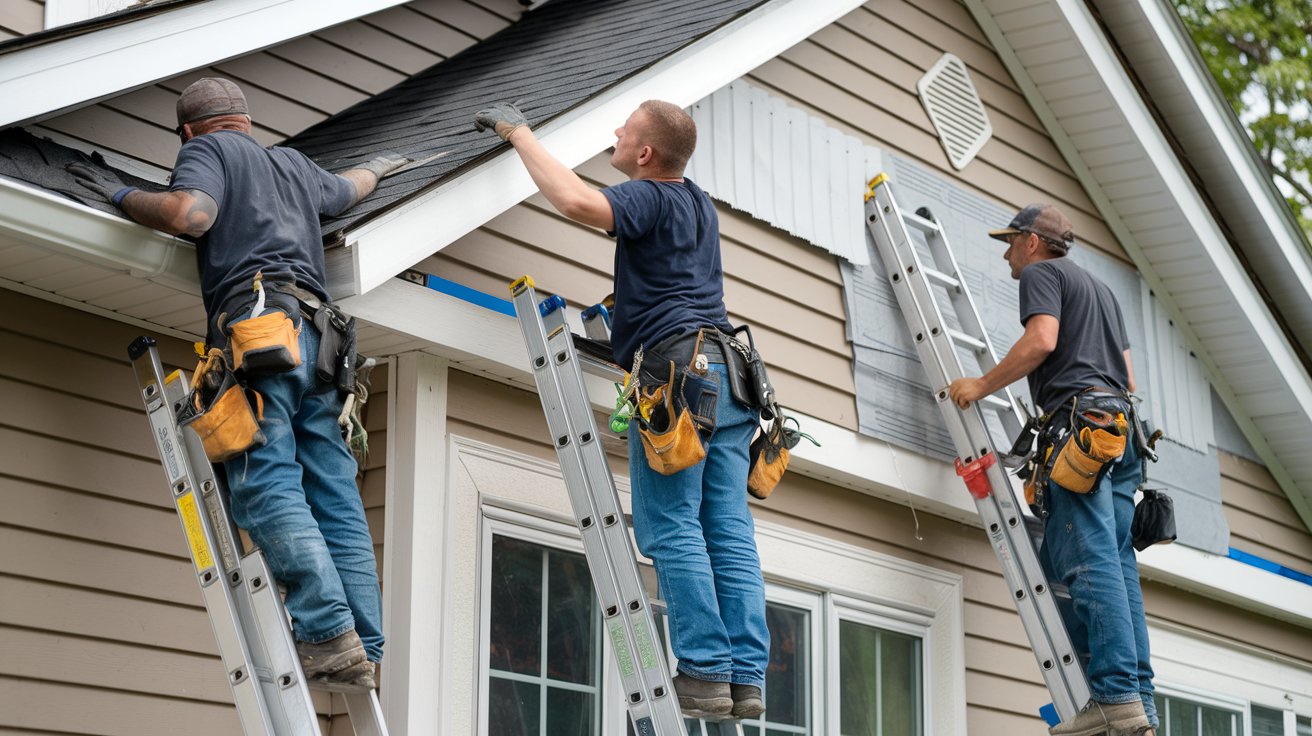
If there’s one lesson years of renovation work have taught me, it’s this:
Good siding installed badly will fail. Average siding installed well will last.
Most homeowners compare siding brands and prices, but rarely think deeply about installation quality. Yet almost every siding problem I inspect traces back to shortcuts taken during installation.
Two houses can use identical vinyl siding-one lasts 25 years, the other struggles within five.
The difference? Installation.
Common Installation Mistakes That Cause Failures
Let’s walk through the problems I see repeatedly.
Panels Nailed Too Tight
Vinyl siding must expand and contract with temperature changes.
If installers nail panels too tightly:
-
Panels buckle in the heat
-
Walls look wavy
-
Panels pop loose
-
Warping becomes visible
Proper installation leaves slight movement.
I once inspected a home where the owner thought the siding was defective-panels couldn’t move because they were nailed too tightly.
Missing or Poor Moisture Barrier
Siding itself is not waterproof.
A proper system includes:
-
House wrap or moisture barrier
-
Correct flashing
-
Proper sealing around windows and doors
Without it, water slips behind the siding and causes:
-
Mold growth
-
Wood rot
-
Structural damage
Homeowners often don’t notice until repairs become expensive.
I’ve opened walls that looked perfect outside but were severely rotting inside.
Improper Flashing Around Openings
Water usually enters around:
-
Windows
-
Doors
-
Roof intersections
-
Vents
Bad flashing lets water sneak in slowly.
Installers sometimes rush this step because it’s time-consuming, but flashing mistakes lead to some of the most expensive repairs I see.
Incorrect Panel Overlap
Panels must overlap correctly to keep water out.
Incorrect overlap can cause:
-
Wind-driven rain penetration
-
Loose panels
-
Visible gaps
It’s subtle work, but critical.
Reusing Old Damaged Underlayment
Some contractors install siding over damaged surfaces to save time.
This leads to:
-
Uneven appearance
-
Trapped moisture
-
Future structural problems
A proper job inspects and repairs the wall beneath before new siding goes on.
Why DIY Installation Often Backfires
I understand the temptation-DIY promises savings.
But siding installation is harder than it looks.
Common DIY mistakes include:
-
Incorrect expansion gaps
-
Poor sealing
-
Crooked panel lines
-
Weak panel attachment
-
Improper trim installation
Small mistakes become major problems once the seasons change.
I’ve seen homeowners redo DIY siding within five years. The savings rarely last.
What to Ask Before Hiring a Contractor
This is where smart homeowners protect themselves.
Ask installers:
✔ Do you install full house wrap or moisture barriers?
✔ How do you handle flashing around openings?
✔ Do panels have room for expansion?
✔ Can I see recent siding projects?
✔ Do you offer installation warranties?
✔ Will damaged sheathing be repaired if discovered?
Good contractors answer clearly. Weak ones become vague or defensive.
Installation Inspection Checklist
After installation, quickly check:
-
Panels look straight and aligned
-
Panels slide slightly when pushed
-
Trim around windows is sealed cleanly
-
No bulging or tight spots are visible
-
Corners and edges look finished neatly
Trust your eyes-if something looks wrong, it usually is.
A Lesson From Experience
One homeowner hired the cheapest bid and called me two years later.
Panels were loose, walls looked wavy, and moisture damage had begun.
They paid twice, once for the cheap installation and again for the replacement.
Their comment stuck with me:
“I wish we’d just done it right the first time.”
I hear that sentence often in renovation work.
The Real Truth About Vinyl Siding Success
Material choice matters-but installation decides performance.
A well-installed vinyl siding job quietly protects a home for decades.
A rushed installation creates constant headaches.
Next, we’ll move into something homeowners appreciate even more after installation:
What maintenance vinyl siding actually needs-and how to keep it looking good for years without much effort.
Maintenance Reality: What Vinyl Siding Actually Needs
One reason homeowners choose vinyl siding is the promise of low maintenance-and honestly, that promise is mostly true.
But low maintenance doesn’t mean no maintenance.
Homes I revisit after 15–20 years that still look good usually share one thing: owners handled small tasks regularly instead of waiting for problems.
The good news? Vinyl siding care is far easier than most alternatives.
Seasonal Cleaning Routine
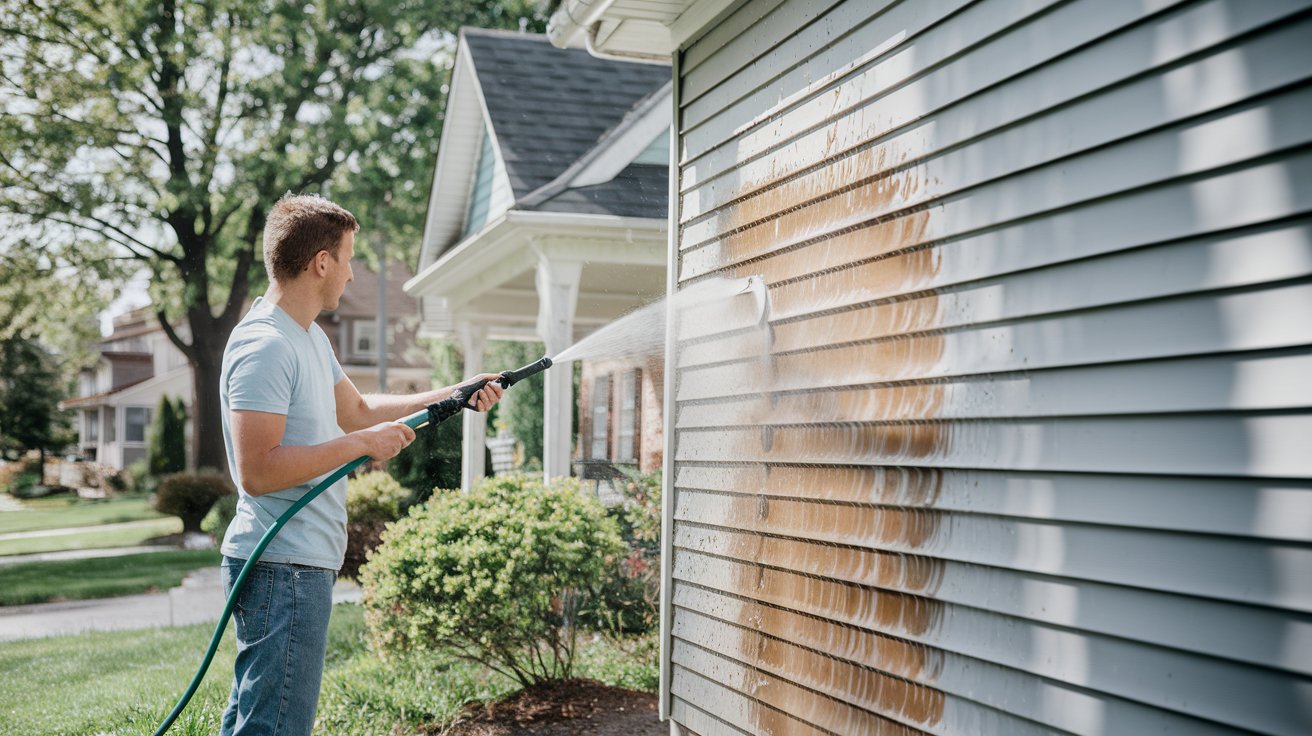
Most homes only need siding cleaned once or twice per year.
Dust, pollen, pollution, and mildew gradually build up, especially on shaded or damp sides of the house.
A simple routine looks like this:
Basic cleaning steps
-
Rinse siding with a garden hose
-
Use mild soap and water for dirt or mildew
-
Scrub gently with a soft brush if needed
-
Rinse thoroughly from top down
That’s usually enough.
Pressure washers can work, but I’ve seen homeowners accidentally force water behind panels, creating moisture problems.
My advice:
A normal hose is safer and almost always enough.
Preventing Mold and Stains
Shaded or damp areas often develop green or black staining over time.
Common trouble spots include:
-
North-facing walls
-
Areas under trees
-
Bushes pressed against siding
-
Sprinkler spray zones
-
Poor drainage areas
Prevention is simple:
-
Trim plants away from walls
-
Avoid constant sprinkler spray on siding
-
Keep gutters clean
-
Maintain airflow around walls
A client once blamed siding quality for mildew buildup. The real issue? Bushes are trapping moisture against the wall.
After trimming the landscaping, the problem disappeared.
Simple Repairs Homeowners Can Handle
One advantage of vinyl siding is that small repairs don’t always require full replacement.
Common manageable fixes:
✔ Re-securing loose panels
✔ Replacing cracked sections
✔ Reattaching loose trim pieces
A siding zip tool lets panels unhook and reconnect easily.
Larger repairs or moisture concerns should still involve professionals.
Maintenance Timeline Snapshot
Typical maintenance looks like this:
| Task | Frequency |
|---|---|
| General washing | Once or twice per year |
| Inspect after storms | As needed |
| Check caulking & flashing | Every 1–2 years |
| Replace damaged panels | When needed |
| Trim plants near siding | Annually |
Compared to repainting or repairing wood siding, upkeep is minimal.
Real Homeowner Example
A homeowner once told me:
“We replaced wood siding because we were tired of repainting. Now I wash the siding once a year, and that’s it.”
Ten years later, their siding still looked great.
The difference wasn’t luck-it was simple annual care.
Maintenance Mistakes to Avoid
From experience, these cause unnecessary damage:
✖ Aggressive pressure washing
✖ Ignoring mildew buildup for years
✖ Letting plants trap moisture against the siding
✖ Leaving storm damage unrepaired
✖ Placing grills or heat sources too close
Small habits prevent big repairs.
Quick Maintenance Tips
✔ Wash siding during mild weather
✔ Start cleaning bottom-up, rinse top-down
✔ Check siding after major storms
✔ Fix small problems early
Vinyl siding shines when homeowners want fewer maintenance headaches.
But most people still want to compare options before deciding.
So let’s look honestly at how vinyl stacks up against other siding materials.
Vinyl Siding vs Other Popular Siding Materials
This is where many homeowners finally get clarity.
When people ask me, “Which siding is best?” my answer is always:
Best for what situation?
Budget, climate, home style, and maintenance tolerance all matter.
Let’s compare vinyl honestly with the materials homeowners consider most often.
Vinyl vs Fiber Cement Siding
Fiber cement (often associated with Hardie board) is vinyl’s biggest competitor.
Fiber cement strengths
-
Better impact resistance
-
Fire resistant
-
Handles heat well
-
Premium appearance
-
Strong resale perception
Vinyl strengths
-
Lower installation cost
-
Faster installation
-
No repainting required
-
Easier repairs
-
Lower long-term maintenance
Homeowners staying long-term and wanting premium finishes often lean toward fiber cement. Budget-conscious homeowners usually choose vinyl.
| Feature | Vinyl | Fiber Cement |
|---|---|---|
| Cost | Lower | Higher |
| Maintenance | Very low | Medium (painting needed) |
| Durability | Good | Excellent |
| Appearance | Good | Very good |
| Installation cost | Lower | Higher |
| Lifespan | 20–30 yrs | 30–50 yrs |
I often summarize it this way:
Vinyl saves money now. Fiber cement saves worry later.
Vinyl vs Wood Siding
Wood siding offers unmatched character-but demands ongoing care.
Wood offers
-
Authentic appearance
-
Strong resale appeal
-
Classic charm
But requires:
-
Regular painting or staining
-
Rot repairs
-
Pest protection
-
Ongoing maintenance
One homeowner told me:
“Wood looks beautiful, but I feel like I’m always fixing it.”
| Feature | Vinyl | Wood |
|---|---|---|
| Maintenance | Very low | High |
| Appearance | Good | Excellent |
| Cost | Lower | Higher long-term |
| Rot risk | None | High if neglected |
| Painting needed | No | Yes |
| Lifespan | 20–30 yrs | Varies |
Vinyl wins on practicality. Wood wins on character.
Vinyl vs Engineered Wood Siding
Engineered wood blends wood appearance with improved durability.
Pros
-
More realistic than vinyl
-
Better impact resistance
-
Lower maintenance than real wood
Cons
-
Still needs repainting
-
Costs more than vinyl
-
Installation varies in complexity
| Feature | Vinyl | Engineered Wood |
|---|---|---|
| Cost | Lower | Medium |
| Maintenance | Very low | Medium |
| Appearance | Good | Very good |
| Painting needed | No | Yes |
| Durability | Good | Good–very good |
Many suburban homes now choose engineered wood when budgets allow.
Vinyl vs Metal Siding
Metal siding, especially aluminum, used to be common.
Metal offers:
-
Fire resistance
-
Long lifespan
-
Weather durability
But homeowners dislike:
-
Denting from impacts
-
Storm noise
-
Industrial appearance
| Feature | Vinyl | Metal |
|---|---|---|
| Appearance | More residential | Industrial |
| Dent resistance | Better | Poor |
| Maintenance | Very low | Low |
| Cost | Lower | Medium |
| Noise | Quiet | Noisy in storms |
Vinyl replaced metal largely because it looks more residential.
Quick Comparison Snapshot
| Priority | Best Choice |
|---|---|
| Lowest cost | Vinyl |
| Lowest maintenance | Vinyl |
| Premium look | Fiber cement/wood |
| Longest lifespan | Fiber cement/brick |
| Natural appearance | Wood |
| Rental properties | Vinyl |
| Luxury homes | Fiber cement/wood |
Real Decision Advice From Experience
If you told me you want:
-
Affordable upgrades
-
Low maintenance
-
Clean appearance
-
Reliable durability
I’d confidently recommend vinyl.
If you said:
-
Premium curb appeal matters
-
You’ll stay 20+ years
-
Repainting isn’t a concern
I’d lean toward fiber cement.
Material choice isn’t about trends-it’s about matching lifestyle.
Next, we’ll tackle something every homeowner eventually asks:
What does vinyl siding really cost-and what hidden expenses should you plan for over time?
True Cost Breakdown: Budgeting Beyond the Material
When homeowners start researching siding, they usually ask:
“How much does vinyl siding cost per square foot?”
But after years in renovation work, I’ve learned that material price rarely tells the whole story.
Two homeowners can install similar siding, yet one project costs far more because of labor differences, repairs, or hidden problems uncovered once old siding comes off.
Let’s break down real-world costs so you can budget realistically.
Material Cost Ranges
Material pricing varies based on quality and style.
Typical vinyl siding material costs:
| Siding Grade | Material Cost (per sq ft) | Best For |
|---|---|---|
| Builder grade | $1–$2 | Rentals or tight budgets |
| Standard residential | $2–$4 | Most homes |
| Premium / insulated | $4–$7 | Long-term homeowners |
Premium siding usually:
-
Looks better
-
Resists impact better
-
Lasts longer
Cheap siding saves money upfront, but often costs more later due to repairs or early replacement.
Installation Costs
Installation usually costs more than the siding itself.
Most projects fall between:
$6–$14 per square foot installed, depending on:
-
Home size
-
Wall complexity
-
Number of windows and corners
-
Home height
-
Old siding removal
-
Local labor rates
Typical examples:
| Home Size | Approx Installed Cost |
|---|---|
| Small home (1,200 sq ft) | $7,000–$14,000 |
| Medium home (2,000 sq ft) | $12,000–$24,000 |
| Large home (3,000+ sq ft) | $18,000–$40,000+ |
Homes with many corners, dormers, or trim details increase labor time and cost.
Hidden Costs Over Time
This is where budgets often surprise homeowners.
During replacement, contractors sometimes uncover:
-
Rotten wall sheathing
-
Water damage
-
Old insulation problems
-
Structural repairs
Repairs can add hundreds or several thousand dollars.
One homeowner planned a $16,000 job that became $20,000 after hidden moisture damage appeared once the siding was removed.
It wasn’t a contractor error-the damage simply wasn’t visible beforehand.
Planning a contingency budget reduces stress.
Maintenance Cost Comparison Over 20 Years
Vinyl often wins in the long term because maintenance costs stay low.
| Material | Maintenance Over 20 Years |
|---|---|
| Vinyl | Cleaning & minor repairs |
| Wood | Multiple repaint cycles |
| Fiber cement | Repainting every 10–15 years |
| Engineered wood | Periodic repainting |
Exterior repainting commonly costs $6,000–$12,000+ per cycle.
Vinyl avoids most of that expense.
Real Cost Perspective From Experience
One homeowner told me:
“We almost chose wood siding because it looked better, but repainting costs changed our minds.”
Ten years later, they still felt confident about choosing vinyl-especially after watching neighbors repaint twice.
Savings often appear slowly, not immediately.
Budget Planning Tips
✔ Keep 10–15% contingency for hidden repairs
✔ Don’t automatically pick the lowest bid
✔ Confirm removal and disposal details
✔ Check warranty coverage
✔ Invest in better siding before overspending on trim upgrades
Vinyl’s real value often shows after installation, when maintenance costs remain low.
But cost alone doesn’t determine value-resale matters, too.
Does Vinyl Siding Affect Home Resale Value?
Homeowners often ask:
“Will vinyl siding increase my home’s value?”
The honest answer:
Vinyl siding usually improves resale appeal, but rarely adds premium value.
It helps homes sell more easily, but doesn’t always increase the selling price compared with higher-end materials.
Buyer Perception in Different Markets
Buyer expectations change by neighborhood and price range.
In starter and mid-range areas, buyers often appreciate vinyl because:
-
Exterior looks clean and updated
-
Maintenance stays low
-
No repainting needed soon
-
Home feels move-in ready
In higher-end markets, buyers often expect:
-
Fiber cement
-
Natural wood
-
Brick or stone finishes
There, vinyl can feel like a downgrade.
I’ve seen homes with new vinyl siding sell faster than homes with peeling wood siding, even though wood is technically premium.
Condition often matters more than material.
When Vinyl Helps Resale
Vinyl helps resale when:
✔ Old siding looks worn or damaged
✔ Exterior needs repainting
✔ Buyers want low-maintenance homes
✔ Competing homes look updated
✔ Target buyers are families or first-time buyers
Fresh siding signals fewer future repairs.
When Vinyl Hurts Appeal
Vinyl may hurt appeal when:
-
Home sits in luxury neighborhoods
-
Buyers expect premium finishes
-
Architecture suits natural materials
-
Low-quality siding looks visibly cheap
Material should match neighborhood expectations.
Return on Investment Reality
Siding replacement typically returns:
60–80% of the project cost at sale.
The bigger benefits:
-
Faster sales
-
Better first impressions
-
Fewer buyer objections
Neglected exteriors often delay sales entirely.
Quick Resale Decision Tip
If siding looks tired, replacing it helps resale.
If siding already looks good, replacing purely for value rarely pays off.
Environmental Impact: Is Vinyl Siding Sustainable?
Homeowners increasingly ask:
“Is this environmentally responsible?”
Vinyl sits in a complicated spot-it offers durability and efficiency benefits, but manufacturing raises valid concerns.
Let’s look at both sides.
Manufacturing & Recycling Concerns
Vinyl siding is made from PVC plastic derived from petroleum.
Concerns include:
-
Fossil fuel use
-
Chemical emissions
-
Limited recycling availability
-
Landfill disposal
Unlike wood, vinyl isn’t biodegradable.
Recycling programs exist but remain limited in many areas.
Longevity vs Environmental Impact
Sustainability isn’t only about materials-it’s about lifespan.
A product lasting 25–30 years without repainting or frequent replacement may offset some environmental costs compared to materials needing ongoing maintenance.
Repeated painting and repairs also carry an environmental impact.
Lifecycle matters.
Energy Efficiency Considerations
Insulated vinyl siding can:
-
Improve wall insulation slightly
-
Reduce heating and cooling demand
-
Improve comfort
But major savings usually come from insulation upgrades and better windows.
Greener Alternatives
Homeowners prioritizing sustainability sometimes choose:
| Material | Sustainability Strength |
|---|---|
| Engineered wood | Efficient wood fiber use |
| Fiber cement | Long lifespan |
| Certified wood | Renewable sourcing |
| Reclaimed wood | Reuse of materials |
Each option carries trade-offs.
Real-Life Perspective
Many environmentally conscious homeowners balance decisions rather than reject vinyl outright.
One client chose vinyl but invested savings in insulation and solar panels.
Their logic:
“Overall energy reduction matters more than perfect materials.”
Sustainability choices often involve trade-offs.
Environmental Decision Quick Guide
Ask yourself:
✔ Do I value longevity and low maintenance?
✔ Will I improve energy efficiency elsewhere?
✔ Is recycling available locally?
✔ Do renewable materials matter more than cost?
Vinyl isn’t perfect environmentally, but it isn’t automatically irresponsible either.
Real-World Homeowner Scenarios
After years of helping homeowners choose siding, one thing stands out:
People choose siding based on their life situation, not just materials.
Rental Properties
Vinyl is often ideal because owners want:
-
Low maintenance
-
Low repair costs
-
Quick installation
-
Durable finishes
Landlords frequently switch to vinyl to reduce turnover maintenance.
First-Time Homeowners
First-time buyers often stretch budgets. Vinyl helps by reducing surprise maintenance costs.
One couple chose vinyl and used savings to update interiors instead.
Five years later, they still appreciated the decision.
Long-Term Family Homes
Vinyl works well when families want durability and low maintenance.
Families focused on curb appeal sometimes upgrade materials instead.
Both decisions can make sense.
House Flippers
Flippers want quick curb appeal without overspending.
Vinyl often delivers strong visual upgrades, but luxury flips may require premium materials.
Matching neighborhood expectations is key.
Scenario Snapshot
| Situation | Vinyl Suitability |
|---|---|
| Rental property | Excellent |
| Starter home | Excellent |
| Family home | Very good |
| High-end custom home | Mixed |
| Luxury neighborhoods | Often avoided |
| House flipping | Good if budget-aligned |
My rule of thumb:
Vinyl works best when practicality matters more than prestige.
Common Vinyl Siding Buying Mistakes to Avoid
Most regrets come from bad decisions before installation, not from vinyl itself.
Choosing Price Over Quality
Cheap siding often:
-
Warps faster
-
Cracks easier
-
Looks flimsy
-
Ages poorly
Spending slightly more improves durability and appearance long term.
Ignoring Climate Suitability
Mistakes include:
-
Thin siding in extreme cold
-
Dark siding in hot climates
-
Weak wind ratings in storm zones
Material must match the climate.
Hiring the Wrong Installer
Red flags include:
-
Extremely low bids
-
No references
-
No warranties
-
Pressure to sign quickly
Installer quality matters more than brand.
Skipping Wall Repairs
Installing over damaged walls traps moisture and worsens problems later.
Proper jobs fix issues first.
Forgetting Trim & Details
Corners, windows, and transitions shape the final appearance.
Details make siding look finished-or cheap.
Quick Prevention Checklist
✔ Confirm siding quality
✔ Check installer reputation
✔ Ensure moisture barrier installation
✔ Match product to climate
✔ Choose timeless colors
Choosing the Right Vinyl Siding: Decision Checklist
By now, homeowners usually ask:
“Is vinyl right for my home?”
Quality Checklist
✔ Residential-rated thickness
✔ UV fade resistance
✔ Climate suitability
✔ Style matches home
✔ Insulated option worth considering
Contractor Checklist
✔ Moisture barrier installation
✔ Proper flashing methods
✔ References available
✔ Installation warranty offered
✔ Repairs handled if discovered
Personal Decision Framework
Ask:
-
Do I want low maintenance?
-
Is budget important?
-
Does vinyl suit my home?
-
Am I choosing practicality over prestige?
-
Will the installation be done correctly?
If yes, vinyl likely fits.
Decision Tip
If you’re stuck comparing options endlessly, ask:
Which choice fits how we actually live?
The answer usually becomes clear.
Tools & Resources to Help You Decide
Homeowners feel more confident when they use planning tools before committing.
Helpful resources include:
-
Siding cost calculators
-
Exterior design visualizers
-
Printable comparison guides
-
Planning email series
Good planning prevents regret.
Expert Designer Insight: What Professionals Notice Over Time
Professionals often revisit homes years later, and long-term results become obvious.
Appearance Changes Over Time
Common changes include:
-
Slight fading on sunny sides
-
Dirt buildup in shaded areas
-
Minor color variation
-
Occasional visible repairs
Homes cleaned yearly usually still look good years later.
Maintenance habits matter.
Neighborhood Trends
Material choice often reflects neighborhood expectations.
Suburban areas lean toward vinyl for practicality. Higher-end areas lean toward premium finishes.
When Designers Recommend Vinyl
Designers often recommend vinyl when:
✔ Budget matters
✔ Maintenance simplicity matters
✔ Rental property involved
They recommend alternatives when:
✔ Architecture demands premium finishes
✔ Luxury resale matters
Best choice fits homeowner goals.
Professional Takeaway
Vinyl performs well when:
-
Expectations match reality
-
Installation quality is high
-
Maintenance stays consistent
-
Lifestyle priorities guide decisions
Homes exist for living, not just appearances.
Final Verdict: Should You Install Vinyl Siding?
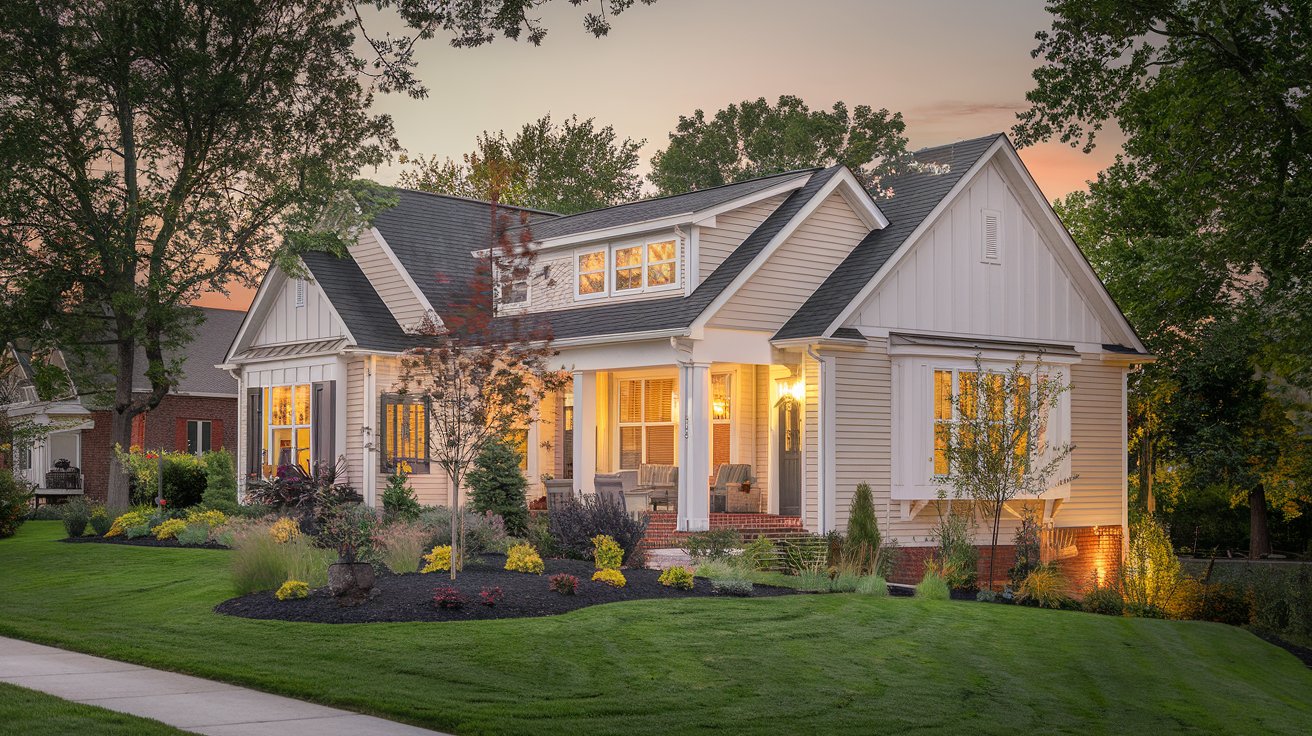
After walking through pros, cons, costs, maintenance, climate performance, and resale impact, we arrive at the real question:
The honest answer: Vinyl siding is an effective, butractical choice-but not always the best prestige choice.
And that’s okay.
Homes don’t need to win awards. They need to serve the people living inside them.
Final Verdict: Should You Install Vinyl Siding?
After walking through real-world pros, cons, climate performance, costs, maintenance realities, resale impact, and long-term homeowner experiences, we arrive at the question that matters most:
Should you choose vinyl siding for your home?
Here’s the honest answer I give homeowners after years of seeing these decisions play out:
Vinyl siding is an excellent practical choice – but it isn’t always the best prestige or luxury choice.
And that’s perfectly fine.
Homes don’t need to win design awards. They need to serve the people living inside them every day.
When Vinyl Is the Right Decision
Vinyl siding usually makes the most sense when:
-
Budget matters
-
You want minimal maintenance
-
You prefer predictable ownership costs
-
You’re updating a rental or starter home
-
You want clean curb appeal without ongoing upkeep
-
You’d rather spend money on interiors, travel, or lifestyle improvements
Most homeowners who choose vinyl for these reasons remain satisfied years later.
When You May Want Something Else
Another material may suit you better if:
-
Your home sits in a high-end or luxury neighborhood
-
Architectural authenticity matters deeply
-
Premium resale perception is a top priority
-
You’re building a forever home and want top-tier materials regardless of cost
-
Your climate is especially harsh for vinyl
In those situations, fiber cement, engineered wood, or natural materials may better match your goals.
The Lesson That Shows Up Again and Again
One realization keeps repeating across projects:
The happiest homeowners choose siding that fits how they actually live – not what trends or neighbors suggest.
I’ve seen families happily invest savings into kitchens, travel, and education instead of premium siding. I’ve also seen homeowners choose higher-end materials because appearance mattered deeply to them.
Both decisions can be right.
A Final Thought From Experience
Years after renovation projects, homeowners rarely say:
“I wish we’d spent more on siding.”
But many say:
“I’m glad we chose something easy to live with.”
And in the end, that’s what a home exterior should do – quietly protect the house while letting life happen inside it.
Choose the siding that lets you enjoy your home, not worry about it.