
If you have ever wondered why are ceilings textured, you’re not alone. Textured ceilings exist primarily because they hide construction imperfections, reduce labor costs, absorb sound, and scatter light. This makes them practical and affordable for builders and homeowners.
While smooth ceilings dominate modern design trends, textured ceilings remain common in older homes, rental properties, and budget-conscious new builds.
They can feel nostalgic, confusing, or even oddly charming. So why are ceilings textured, and why are textured ceilings a thing that continues to show up in homes today?
Let’s break down the history, purpose, and modern relevance of these unique design choices in a way that makes sense for homeowners, renters, and renovation enthusiasts.
The History Behind Textured Ceilings
Popcorn ceilings alone peaked in popularity during the 1950s–1980s, with millions of American homes still featuring them today.
According to industry data, approximately 40% of homes built between 1950 and 2000 in the USA have some form of textured ceiling, making them one of the most common ceiling finishes in residential construction.
Texturing became a simple way to hide imperfections, reduce labor, and create a uniform look across homes.
A Fast Fix for Imperfections
When drywall is installed, small flaws appear. Smooth ceilings require multiple layers of compound, precise sanding, and intense detail work.
Texturing allowed builders to cover flaws quickly without spending hours perfecting every inch. The result was a ceiling that looked polished even if the surface underneath wasn’t perfect.
Affordable, Accessible, and Efficient
Texturing required less time, fewer materials, and little specialized skill. For large construction projects, this made a dramatic difference.
Homes could be finished faster, which kept construction costs down. This is one of the biggest reasons why some ceilings are textured even today.
Types of Textured Ceilings and Why Builders Used Them
Different eras brought different texture styles. Each one solved a slightly different problem.
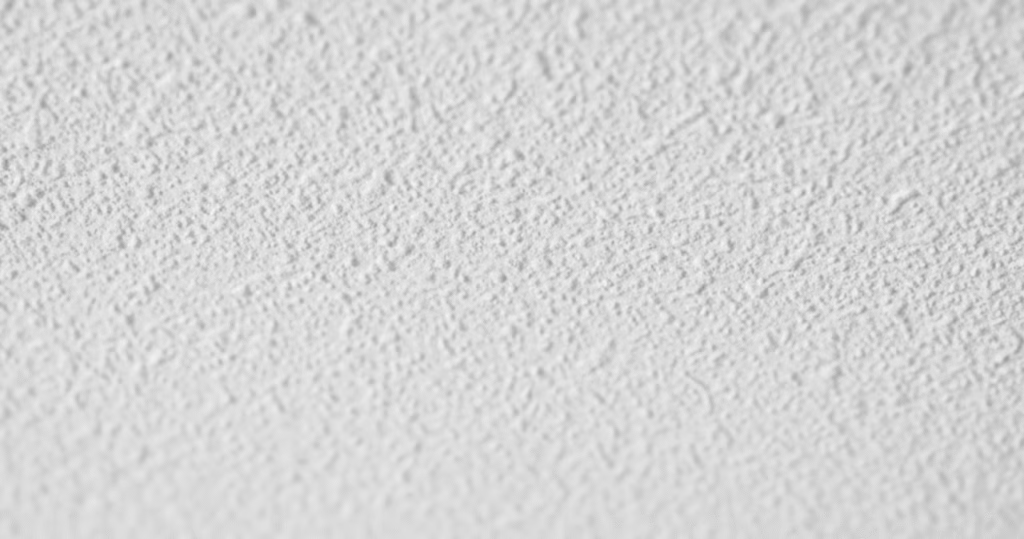
Popcorn Ceilings: These were extremely popular from the 1950s to the 1980s. The surface had a bumpy, cottage cheese appearance that was excellent at hiding flaws. It also absorbed sound, which made it ideal for apartment buildings and busy family homes.
Knockdown Texture: This option offers a more subtle, mottled pattern. It hides imperfections but gives ceilings a more modern and less bulky look compared to popcorn finishes.
Orange Peel Texture: This looks similar to the skin of an orange. It creates a soft, slightly raised pattern that disguises drywall inconsistencies without being distracting.
Each style answered a growing need in construction: quick installation and lower labor costs while still providing a finished look.
Quick Comparison: Textured vs. Smooth Ceilings
| Feature | Textured Ceiling | Smooth Ceiling |
|---|---|---|
| Hides Imperfections | Excellent | Poor |
| Sound Absorption | High (especially popcorn) | Low |
| Installation Cost | $1–3 per sq ft | $3–8 per sq ft |
| Modern Appeal | Lower | Higher |
| Maintenance | Moderate (dust collection) | High (shows every mark) |
| Removal Difficulty | Labor-intensive | N/A |
When it comes to the decision-making process for choosing textured ceilings, it is important to recognize the relationship they have with other design elements such as paint.
As I have previously mentioned in my previous reflective writing on the process for painting ceilings without streaks, the process and consideration required for ceiling treatments can greatly impact the final product and aesthetic appeal of your space.
Why are Ceilings Textured: Key Functional Reasons
While style plays a small role today, most textured ceilings exist because of their functional advantages. Here are the main benefits.
They Hide Building Imperfections: Drywall seams, nail pops, uneven joints, and minor cracks are harder to see under texture. For builders, this meant less time spent finishing ceilings and fewer callbacks for repairs.
They Offer Sound Absorption: Textured ceilings reduce echoing and noise transfer between floors. Popcorn textures are especially known for their acoustic benefits. This is still a reason why textured ceilings are a thing in certain properties today, especially rental units and older homes.
They Reduce Glare From Ceiling Lights: Smooth ceilings reflect light, which can highlight flaws or create harsh brightness. Textured surfaces scatter light softly and evenly. This creates a cozy feel and works well in bedrooms, hallways, and older living spaces.
They are Budget-Friendly: Applying texture costs $1–3 per square foot, while achieving a flawless smooth finish can run $3–8 per square foot due to multiple compound layers, sanding, and labor. In a typical 2,000 sq ft home, texture can save $4,000–10,000 in finishing costs alone—a significant difference in renovation or new construction budgets.
Personal Experience with Textured Ceilings
As a professional in the field of home remodeling, I have had the opportunity to work on many projects where the ceilings were textured. One such project involved a lovely bungalow from the 1960s. The homeowners were not particularly fond of the textured ceilings but wanted a change.
They felt it made their home look old-fashioned.As a professional, I explained to them the benefits of a textured ceiling. I explained that it hid imperfections in the ceiling as well as acted as a sound absorber. This is especially useful for a home where there is a lot of activity.
We decided to leave the ceiling as it was but change its appearance to a lighter knockdown texture. This not only gave their home a modern look but also helped them enjoy the benefits of the textured ceiling.
The change was amazing, and the homeowners were very happy with the results. They had come to realize that a textured ceiling not only had benefits but also helped them achieve a modern look for their home.
Are Textured Ceilings Still Popular Today?
While smooth ceilings are more on trend, textured ceilings haven’t disappeared. They remain common because they are practical and cost-effective.
Regional Trends in the USA: Textured ceilings remain especially prevalent in the Midwest, South, and older Northeast neighborhoods where homes were built during the popcorn ceiling boom (1950s–1990s).
Coastal and metropolitan areas (California, New York, Florida) show higher adoption of smooth ceilings in newer developments, though textured finishes persist in rental markets and budget-friendly housing across all regions.
New Homes Often Avoid Heavy Texture: Modern design leans toward clean lines and smooth surfaces. Many new builds now focus on minimal texture or entirely flat ceilings.
Renovations Keep Texture Alive: When fixing older ceilings, removing texture can be messy and expensive. Many homeowners choose to refresh or lightly modify existing texture instead of replacing it.
Budget-Friendly Builders Still Use Mild Texture: In starter homes, rentals, or large developments, slight texture helps speed construction without sacrificing aesthetics.
Even though trends shift, the reasons why ceilings are textured remain largely the same: practicality and efficiency.
Should You Keep or Remove a Textured Ceiling?
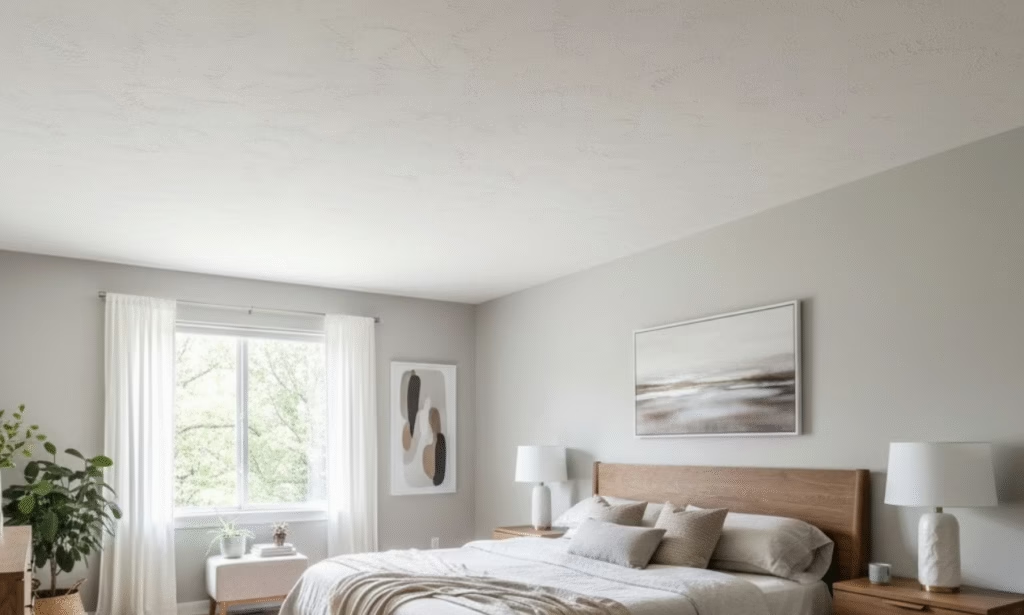
If you live in a home with a textured ceiling, you may wonder whether to keep it or smooth it out. The answer depends on your style preferences, budget, and long-term plans.
Keep the Texture If:
- You prefer a soft, non-reflective finish
- You want a ceiling that hides flaws
- You want to avoid messy removal
- You live in a home where texture adds charm or character
Remove the Texture If:
- You want a modern, minimalist look
- You prefer clean, smooth surfaces
- You are renovating or updating a home for resale
- The texture is cracked, stained, or damaged
Removing texture requires scraping, refinishing, sanding, and repainting. It can be labor-intensive and sometimes involves asbestos testing in older homes. That is why many homeowners choose a professional for this job.
The Modern Alternative: Subtle Texture That Feels Clean and Fresh
If you want something between popcorn and completely smooth, there are modern textures that provide a soft, upscale finish.
Light Knockdown: Soft and subtle, great for modern homes that still need a little help hiding ceiling flaws.
Soft Orange Peel: Barely noticeable but enough to diffuse light and create warmth.
These options give you the best of both worlds: a clean look without the maintenance burden of perfectly smooth ceilings.
Why Some Ceilings Stay Textured While Others Don’t
Today, the decision often comes down to aesthetics versus practicality. Smooth ceilings offer a higher-end look but require more work and greater expense.
Textured ceilings offer practicality, sound control, and cost savings. It’s why some ceilings are textured even when others are not.
Older homes lean heavily on texture because it reflects the building norms of past decades. Newer homes aim for sleek, minimalist ceilings because design trends have shifted. There is no right or wrong choice, only what fits your home and lifestyle.
Final Thoughts
Why are ceilings textured? The answer is rooted in practicality, cost-efficiency, and decades of building tradition. Even though many homeowners prefer smooth ceilings today, textured ceilings continue to exist for several valid reasons. They also help soften sound and create a comfortable atmosphere in certain rooms.
If you ever find yourself wondering why ceilings are textured or why textured ceilings are a thing in modern and older homes alike, the answer comes down to a mix of cost, convenience, and craftsmanship traditions.
Understanding their purpose helps you make better decisions for your home. A ceiling is more than a surface above your head. It shapes how your space feels, how sound moves, and how light reflects. Once you understand its role, you can choose the style that makes your home feel truly yours.
Frequently Asked Questions
Why do builders still use textured ceilings if they’re outdated?
Texture remains cost-effective ($1–3/sq ft vs. $3–8/sq ft for smooth), hides flaws, absorbs sound, and meets building codes. For rental properties, starter homes, and large developments, these practical benefits outweigh aesthetic trends.
Is textured ceiling removal worth it?
Removal costs $1–3 per square foot and is labor-intensive. It’s worth considering only if you’re renovating for resale, the texture is damaged, or you strongly prefer a modern aesthetic. Otherwise, refreshing existing texture is more economical.
Do textured ceilings contain asbestos?
Popcorn ceilings installed before 1980 may contain asbestos. Have older homes tested before removal. Newer textured finishes (knockdown, orange peel) are typically asbestos-free.
What’s the best modern alternative to popcorn ceilings?
Light knockdown or soft orange peel textures offer a subtle finish that hides imperfections while maintaining a clean, contemporary look without heavy maintenance.