
I remember standing in my closet two years ago, staring at a pile of skinny jeans I had collected over a decade, and feeling something shift inside me. The fashion world had moved on, and Gen Z led the charge. So why did Gen Z cancel skinny jeans?
The answer comes down to three core reasons: comfort became king, individuality won over conformity, and the body positivity movement rewrote the rules of what looks “good.”
I spent weeks researching this shift, talking to younger fashion enthusiasts, and honestly, re-evaluating my own wardrobe choices. Let me walk you through everything I discovered and experienced firsthand.
Skinny Jeans Had Their Moment
Skinny jeans dominated the fashion scene from the mid-2000s through the 2010s. I owned at least fifteen pairs at one point, black, blue, ripped, high-waisted, you name it. Celebrities like the Kardashians, models, and influencers wore them religiously. They symbolized sleekness, modernity, and a put-together aesthetic.
Here’s a quick timeline I put together based on my own fashion journey and industry observations:
| Era | Skinny Jeans Status | Dominant Style Icons |
|---|---|---|
| 2005-2010 | Rising popularity | Pete Wentz, Rihanna |
| 2011-2016 | Peak dominance | Kardashians, Taylor Swift |
| 2017-2020 | Gradual decline | Emergence of wide-leg trends |
| 2021-Present | Officially “cancelled” | Bella Hadid, Emma Chamberlain |
The shift happened gradually, and I watched it unfold in real time through my Instagram feed and the streets of every major city I visited for fashion events.
Reason #1: Comfort Finally Won the Battle
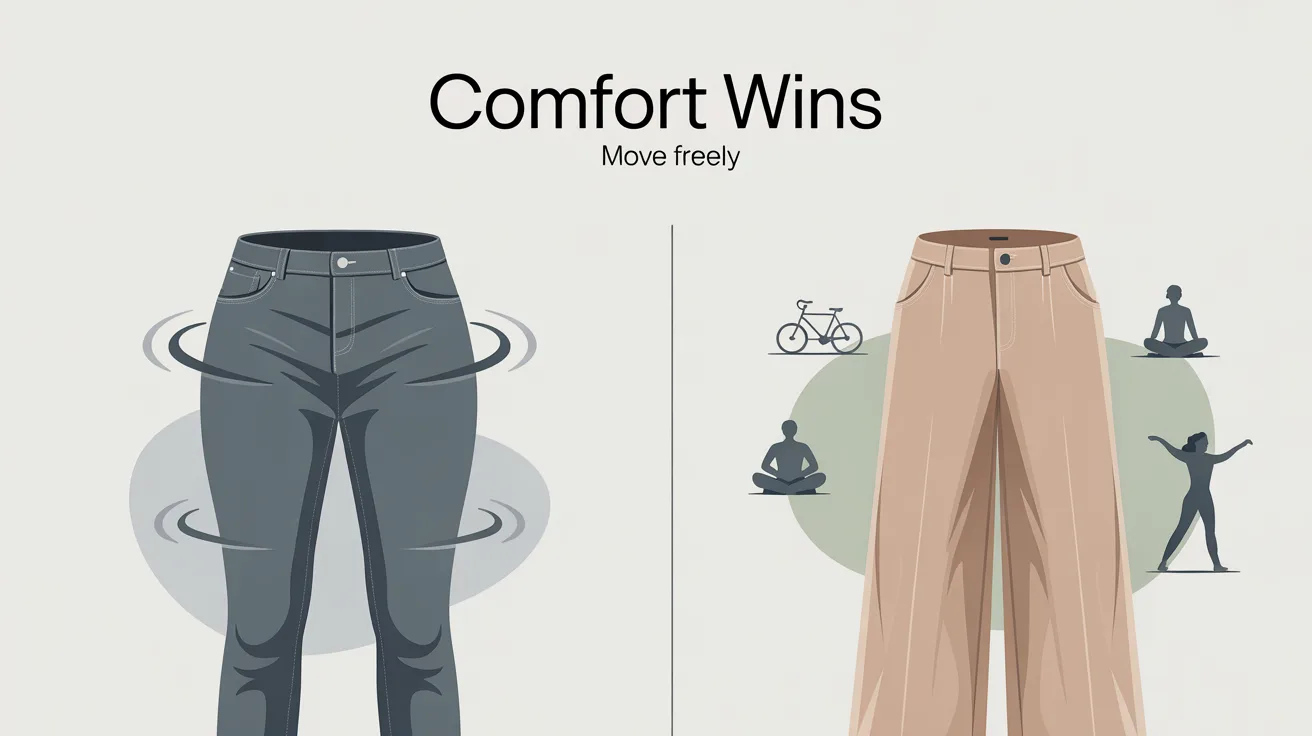
Gen Z grew up watching millennials squeeze into denim so tight it restricted blood flow (I speak from painful personal experience). They observed, they learned, and they chose differently.
When I interview younger creatives for styling projects, the same sentiment echoes:
“I want to move freely. I want to breathe. Fashion should work for my life, not against it.”
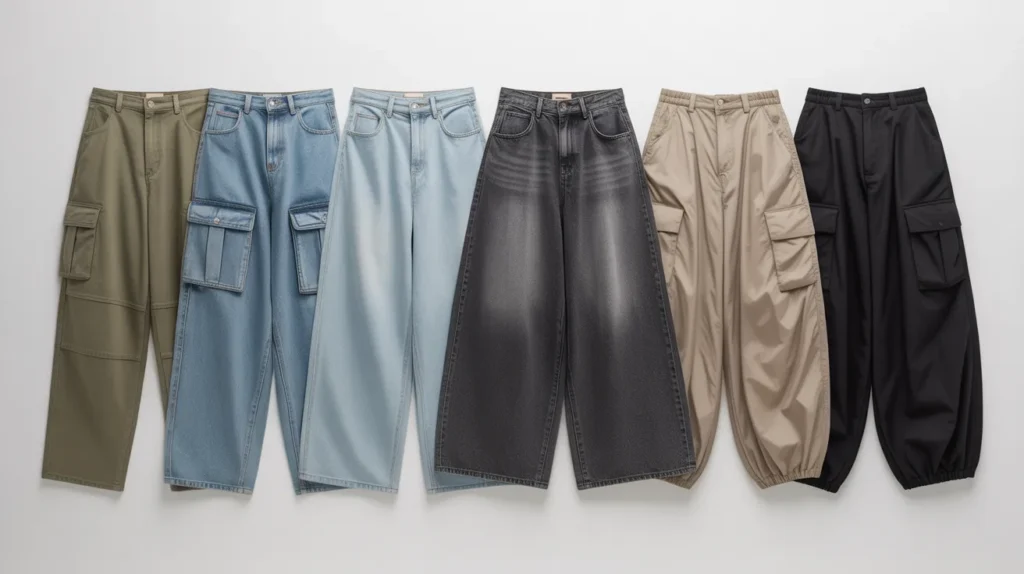
This generation values functionality alongside aesthetics. They prefer pants that let them bike to class, sit cross-legged at a coffee shop, and dance at a concert without feeling constricted. Cargo pants, wide-leg jeans, and relaxed-fit trousers check all those boxes.
I tested this myself. I swapped my skinny jeans for loose cargo pants during a two-week trip last spring. The difference in how I felt at the end of each day convinced me that comfort carries real weight in fashion decisions.
Reason #2: Individuality Over Trend Conformity
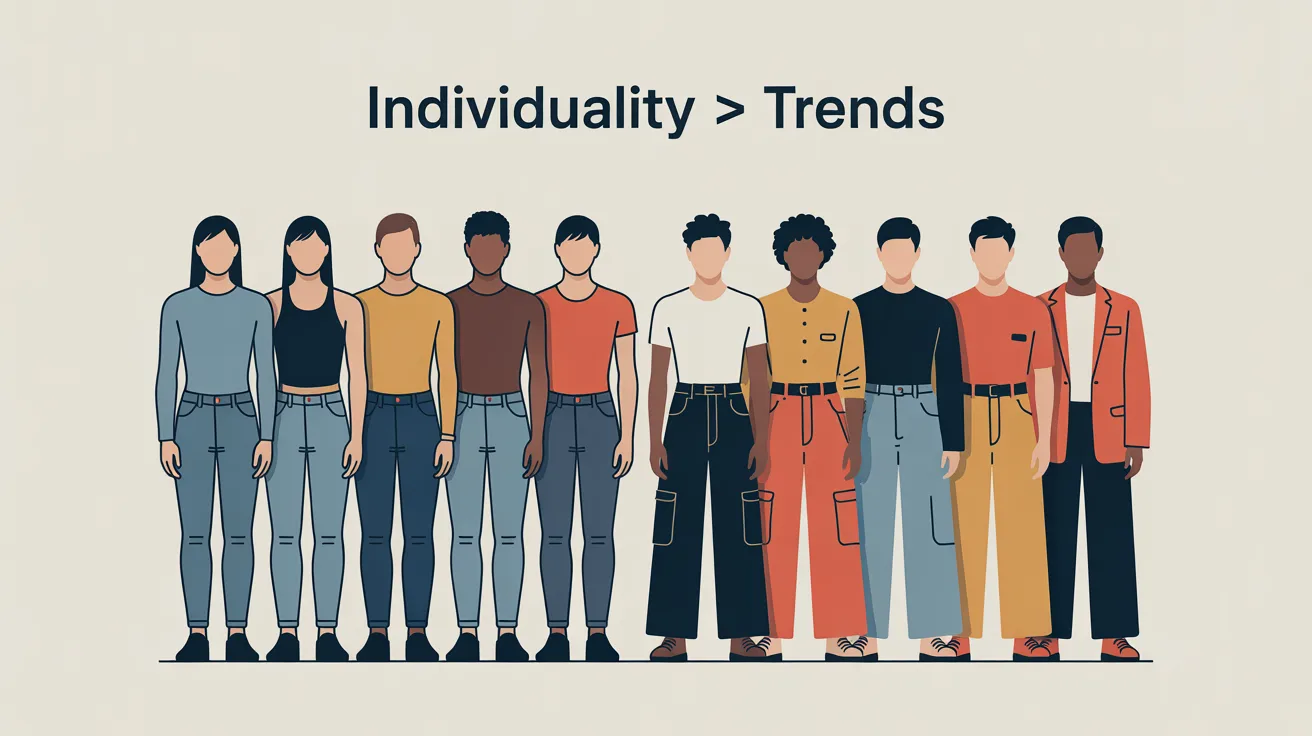
Gen Z approaches fashion as a form of self-expression rather than trend-following. I notice this every time I scroll through TikTok or attend streetwear pop-ups. Each person curates a unique aesthetic rather than copying what everyone else wears.
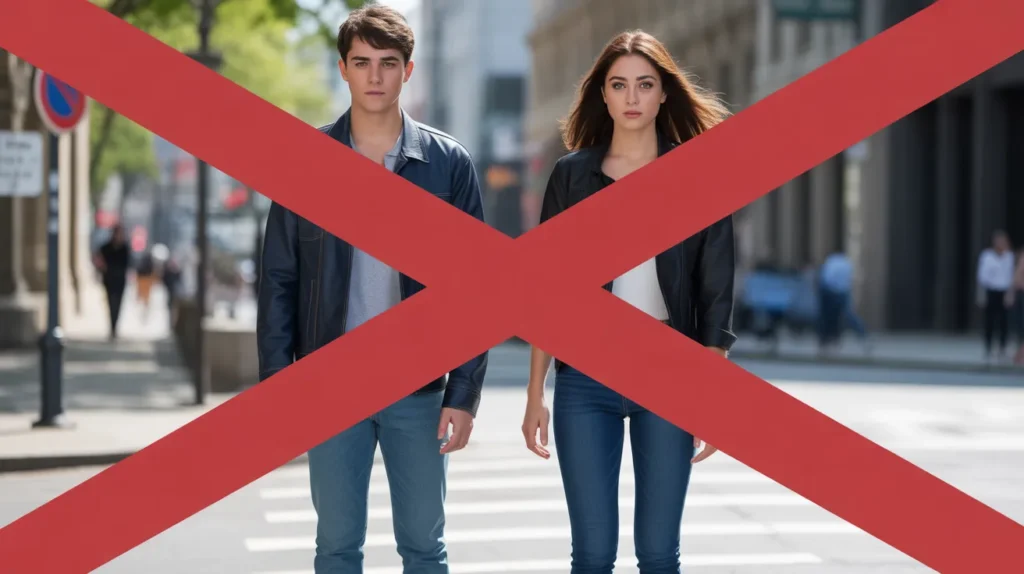
Skinny jeans represented a uniform of sorts, meaning everyone wore them, everyone looked similar. Gen Z actively rejects that homogeneity.
Key ways Gen Z expresses individuality through pants:
- Mixing vintage pieces with modern streetwear
- Layering and experimenting with unconventional silhouettes
- Thrifting one-of-a-kind pieces rather than buying mass-produced items
- Embracing gender-fluid styles that break traditional norms
I attended a Gen Z-focused fashion meetup in Brooklyn last year, and I counted zero skinny jeans in a crowd of over two hundred people. The variety amazed me—parachute pants, pleated trousers, oversized cargos, and everything in between.
Reason #3: The Body Positivity Movement Changed Everything
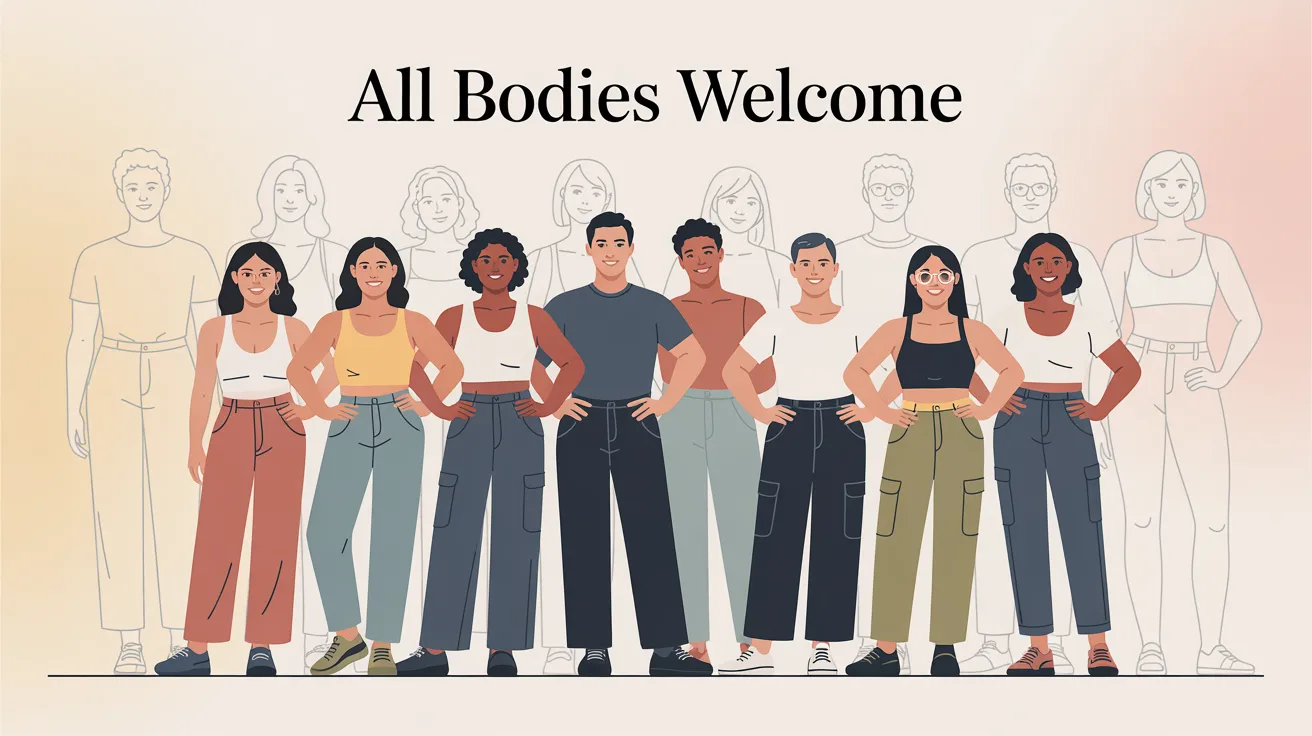
This reason hits close to home for me. Skinny jeans often amplified insecurities as they highlighted every curve, every perceived “flaw,” and fit only a narrow range of body types comfortably.
Gen Z champions body positivity and size inclusivity more vocally than any generation before them. They demand fashion that celebrates all bodies rather than forcing bodies to fit into fashion.
Looser silhouettes accomplish this beautifully:
- They flatter diverse body shapes without clinging or restricting
- They reduce the pressure to maintain a specific size
- They shift the focus from body shape to overall style and confidence
I remember helping a client find her first pair of wide-leg jeans after years of skinny-jean-only loyalty. She looked in the mirror and said, “I feel like myself for the first time in clothes.” That moment crystallized why this shift matters so deeply.
The Cultural Ripple Effect
The skinny jeans cancellation represents something bigger than a fashion trend—it signals a generational value shift. Gen Z prioritizes:
- Mental and physical well-being over aesthetic suffering
- Authentic self-expression over fitting in
- Sustainable choices over fast fashion cycles (loose fits often last longer and fit more people through resale)
I incorporate these values into my own styling philosophy now. When I put together outfits—whether for myself or clients—I ask: Does this feel good? Does this represent who you are? Will this serve you beyond one season?
What This Means for Your Wardrobe
You don’t have to throw away your skinny jeans if you genuinely love them. Fashion rules exist to be bent, and personal style always wins over trends. However, if you feel ready to explore alternatives, consider these options that I personally rotate through:
- Cargo pants for that streetwear edge
- Mom jeans for vintage-inspired comfort
- Wide-leg trousers for elevated, sophisticated looks
- Baggy denim for effortless cool
Final Thoughts
Gen Z cancelled skinny jeans because they prioritize comfort, individuality, and body positivity. I respect this shift immensely. It teaches all of us that fashion serves us, we don’t serve fashion.
The next time you reach into your closet, ask yourself what feels right for you today. That question matters more than any trend cycle ever will.