

You’ve probably heard someone say that celery benefits sexually. Maybe a gym buddy, maybe a wellness reel that popped up on your feed at midnight. “Eat more celery. It does things for your sex life.”
And now you’re here, quietly curious, wondering whether there’s something real behind the claim or whether this is just another food trend dressed up in pseudoscience.
Yes, celery does carry genuine, science-supported compounds that benefit your sexual health, particularly around blood flow, hormonal balance, and fertility.
The effect isn’t dramatic in the way a medication works. It builds quietly over time, through consistent eating, the way most real food benefits do.
As a registered dietitian nutritionist, I spend a significant portion of my clinical work translating exactly this kind of nutritional research into practical guidance people can actually use.
Celery is one of those ingredients that comes up repeatedly in conversations about whole-diet approaches to hormonal health and cardiovascular function.
Once you understand what it contains and how those compounds interact with your body’s systems, the reputation starts making a lot of sense.
What the Research Actually Says: and Where Wellness Culture Overreaches
Most articles on this topic do you a disservice. They either dismiss celery entirely or make it sound like some kind of sexual superfood that will transform your energy overnight. Neither one is accurate.
The science on celery and sexual health points to three legitimate mechanisms:
- Celery contains compounds linked to pheromone production, specifically androsterone and androstanol, which some research suggests may influence attraction and libido.
- Celery supplies L-arginine, an amino acid that the body converts into nitric oxide, which dilates blood vessels and directly supports circulation, including circulation to sexual organs.
- Celery delivers a concentrated micronutrient profile of vitamins, minerals, and antioxidants that support the hormonal and cardiovascular systems your sexual health depends on.
Where the wellness world tends to overreach is in the degree of effect. Celery alone won’t solve erectile dysfunction. It won’t spike your testosterone like a supplement.
What it does is support the underlying biological systems that make sexual health possible, and that is actually meaningful, especially when you eat it consistently as part of a balanced diet.
Nutritional benefits are rarely about single ingredients. They emerge from consistent dietary patterns over time.
Why Celery Has Earned This Reputation: and Where It Gets Murky
The reputation of celery as a sexual health food traces back partly to ancient history. Romans used it as a fertility offering. Medieval Europeans believed it stimulated desire. That kind of cultural persistence usually points to something real, even if the mechanism wasn’t understood at the time.
The modern piece of the puzzle came when researchers identified androsterone in celery, a steroid compound also found in human sweat that’s believed to act as a pheromone. A 1985 study published in Chemical Senses brought this conversation into more mainstream wellness circles, though the research remains limited in human trials.
What the evidence supports more robustly is the arginine and blood flow story, because that mechanism is well-documented and directly connected to sexual function in both men and women.
The Compounds in Celery That Matter for Your Body
In nutritional practice, the most useful way to think about any whole food is not as a single nutrient delivery system but as a matrix of compounds that work together. Celery is a good example of this principle. Its individual nutrients are modest in isolation. Together, across the systems relevant to sexual and reproductive health, they form a meaningful pattern.
Here is the compound breakdown that matters most.
Androsterone and Androstanol: The Pheromone Conversation
Androsterone and androstanol are naturally occurring steroids found in celery, particularly in its seeds and leaves. These same compounds exist in human sweat and are widely studied as potential pheromones, meaning they may influence attraction and arousal signals between people.
The most-cited research in this space, including the work of Dr. Winnifred Cutler, who studied androsterone’s role in human attraction, suggests that these compounds can enhance perceived attractiveness and confidence when present in measurable amounts. Celery contains both, and consuming it may elevate their presence in your body’s own secretions.
The direct human evidence linking celery consumption to elevated androsterone output needs more clinical depth. But the pheromone compounds themselves are real; they exist in celery, and the conversation keeps appearing in reproductive endocrinology literature for a reason.
L-Arginine: The Amino Acid Quietly Doing the Heavy Lifting
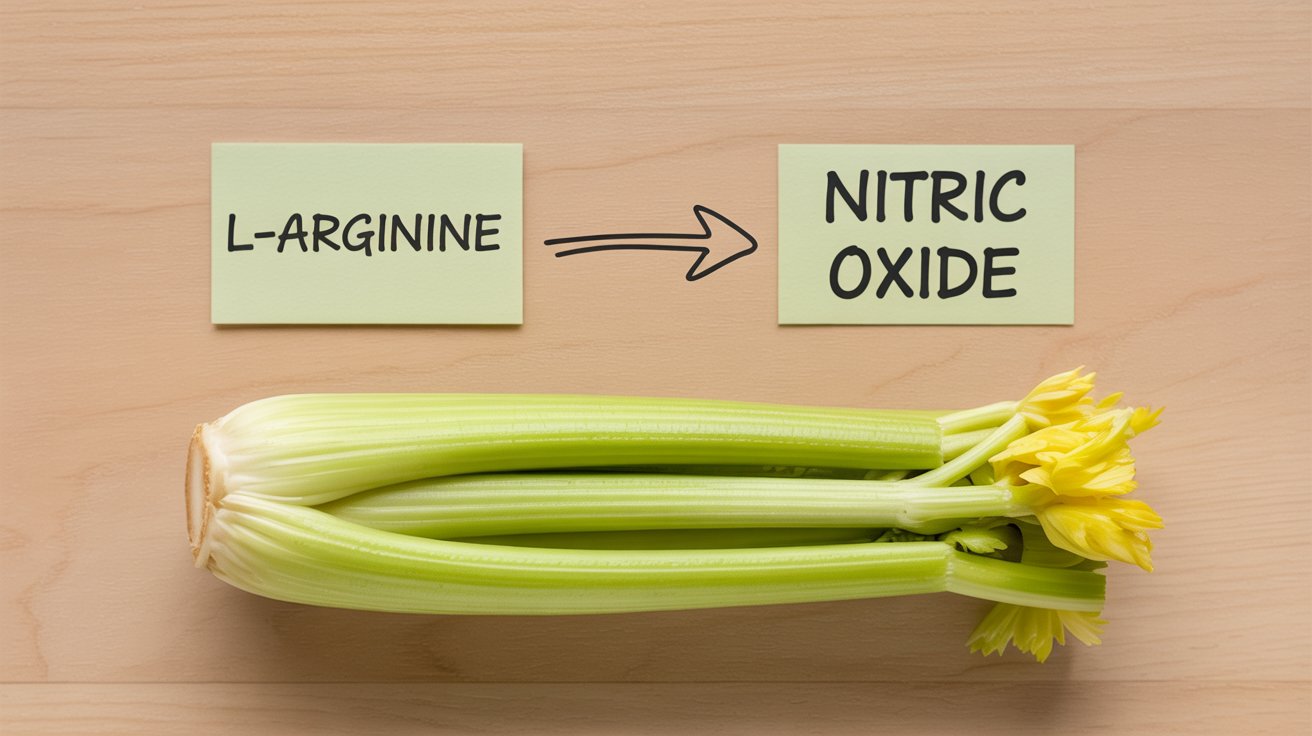
This is the most well-supported mechanism for celery’s sexual health benefits.
Celery contains L-arginine, an amino acid that your body converts into nitric oxide (NO). Nitric oxide relaxes and widens blood vessels. Wider blood vessels mean improved circulation, and improved circulation is foundational to sexual function in both men and women.
For men specifically, the connection looks like this:
| Step | What Happens |
|---|---|
| You eat celery regularly | Your body receives a steady supply of L-arginine |
| L-arginine converts to nitric oxide | Blood vessels in the body, including genital tissue, dilate |
| Blood flow improves | Erectile response becomes more reliable and stronger |
| Over time | Cardiovascular health improves, supporting sustained performance |
This isn’t speculation. The nitric oxide pathway is the same pathway that pharmaceutical treatments for erectile dysfunction target, which is why cardiovascular health and sexual health are so deeply intertwined. Celery supports this pathway through food, at a gentler, cumulative level.
A study published in Nutrition found that L-arginine supplementation showed meaningful improvement in erectile function in men with mild to moderate dysfunction. Celery delivers this amino acid alongside a whole matrix of supporting nutrients, which research suggests may be more bioavailable than isolated supplementation for many people.
The Vitamin and Mineral Stack That Supports Your Hormones
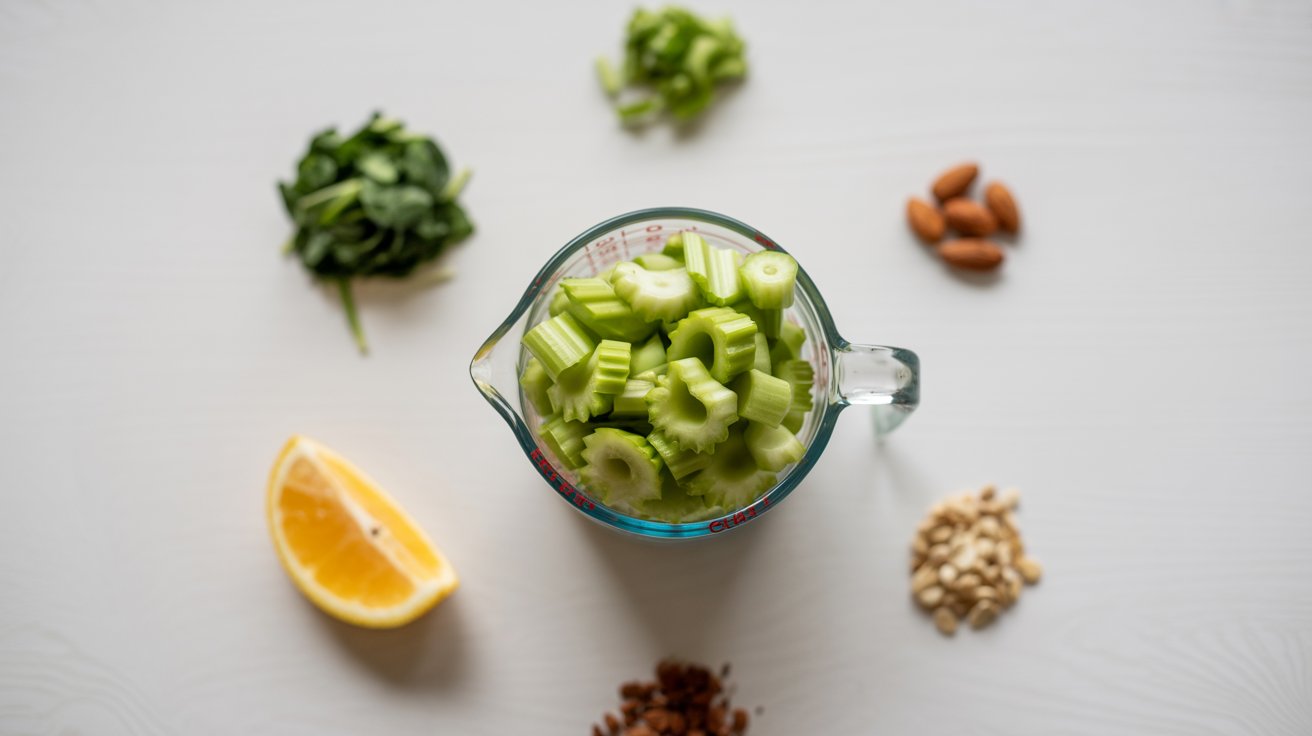
One of the principles I return to consistently in clinical nutrition practice is that vitamins and minerals function as a team. The nutrient profile in celery reflects this well. Each compound reinforces the others. Here is how they connect to sexual and hormonal health specifically:
Vitamin K: Celery is particularly high in Vitamin K1. Beyond its role in bone density and blood clotting, Vitamin K supports testosterone production. A Japanese study found that Vitamin K2 activated proteins related to testosterone synthesis in testicular cells. Your body converts a portion of K1 to K2 over time.
Vitamin C: Vitamin C plays a direct role in protecting sperm from oxidative damage. Men with higher Vitamin C intake consistently show better sperm quality in research from the Journal of Urology. Celery delivers a meaningful amount per serving, especially when eaten raw, which matters because heat degrades Vitamin C.
Vitamin E: A fat-soluble antioxidant that protects reproductive cells from oxidative stress. Pairing celery with a healthy fat source, such as avocado or olive oil, significantly improves absorption of fat-soluble vitamins like E, a pairing worth building into daily meals intentionally.
Folate (Vitamin B9): Folate supports DNA synthesis and cell division, two processes that directly affect sperm production and quality. Men with higher folate levels show measurably lower rates of chromosomal abnormalities in sperm, according to research from the Human Reproduction journal. Folate is also critical for women’s reproductive health, particularly in early pregnancy.
Potassium: Supports healthy blood pressure. And healthy blood pressure has a more direct relationship to sexual performance than most people realize.
Calcium: Contributes to muscle contraction and nerve signaling, both of which play roles in sexual response and orgasm.
Here is what one cup of raw chopped celery (about 120g) delivers:
| Nutrient | Amount per Cup | % Daily Value |
|---|---|---|
| Vitamin K | ~30 mcg | ~25% |
| Folate | ~36 mcg | ~9% |
| Potassium | ~260 mg | ~6% |
| Vitamin C | ~3.1 mg | ~3% |
| Calcium | ~40 mg | ~4% |
It’s not a single powerhouse hit of any one nutrient. What it gives you is a wide, consistent nutritional foundation, which is exactly what long-term health depends on.
How Celery Specifically Supports Men’s Sexual Health
Celery and Erectile Function: What’s the Actual Link?
The connection between celery and erectile function runs through two pathways: arginine-driven blood flow and blood pressure regulation.
High blood pressure damages the inner lining of blood vessels, the endothelium, and this damage directly reduces the body’s ability to sustain healthy blood flow to erectile tissue.
Celery contains phthalides, a class of phytochemicals that relax arterial muscles and reduce blood pressure. A study in the Journal of Medicinal Food showed that 3-n-butylphthalide (3nB), a compound found in celery, produced significant antihypertensive effects in animal models, and follow-up human research has supported its cardiovascular benefits.
In my work with clients focused on long-term cardiovascular and metabolic health, the relationship between blood pressure management and sexual function comes up more than people expect.
The practical takeaway for men is that consistent celery intake, as part of a diet that supports healthy blood pressure, supports the vascular health that makes reliable erectile function possible. This is a months-long process, not a week-long fix.
Can Celery Support Male Fertility?
Yes, and this is the area where celery gets the least credit in popular nutrition writing.
The fertility benefits come from a combination of factors:
- Folate reduces chromosomal fragmentation in sperm, which improves fertilization odds
- Vitamin C protects sperm from oxidative stress during maturation
- Antioxidants broadly, including flavonoids and Vitamin E, reduce the oxidative damage that impairs sperm motility
- Anti-inflammatory compounds in celery, including apigenin and luteolin, reduce systemic inflammation, which research increasingly links to poor reproductive outcomes in men
A 2017 study published in Andrologia specifically examined celery seed extract’s effect on sperm quality in animal models and found significant improvements in sperm count, motility, and morphology.
Human trials are more limited, but the mechanistic pathways are well-understood and align with what nutritional science broadly supports about antioxidant-rich diets and male fertility.
Libido and Hormonal Balance: What Celery Can and Cannot Do
Libido is complex. It involves testosterone levels, but it’s also deeply tied to stress hormones, sleep quality, body composition, and psychological factors. Celery doesn’t directly boost testosterone.
What it does is support the conditions under which healthy testosterone levels are maintained:
- Vitamin K assists in the enzymatic processes related to testosterone synthesis
- Antioxidants protect Leydig cells, which produce testosterone, from oxidative damage
- Anti-inflammatory compounds reduce chronic low-grade inflammation that suppresses testosterone production over time
Think of it as clearing the path rather than accelerating the runner. Celery helps remove obstacles to healthy hormonal function.
For someone whose diet is poor, high in processed foods, and low in micronutrients, adding celery consistently can move the needle on libido because it’s restoring a nutritional baseline the body needs.
For someone already eating a well-balanced diet, the marginal gain is smaller but still present.
Blood Pressure, Heart Health, and Why That Matters in the Bedroom
The cardiovascular connection to sexual health is real and consistently underappreciated in public health communication. Here is the chain of events most people don’t connect:
Poor diet leads to high blood pressure, which causes endothelial damage, which reduces nitric oxide production, which impairs blood flow, which contributes to erectile difficulty and reduced arousal.
Celery interrupts this chain at multiple points. The phthalides lower blood pressure. The arginine fuels nitric oxide production. The antioxidants protect endothelial cells. Potassium supports heart muscle function.
Eating celery regularly doesn’t fix a damaged cardiovascular system, but it genuinely contributes to maintaining one that works.
Why Celery Earns Its Place in a Daily Diet?
Anti-Inflammatory Properties That Affect Energy and Recovery
Celery contains a flavonoid called apigenin and another called luteolin, both well-documented anti-inflammatory agents.
Chronic inflammation is one of the most pervasive and underdiagnosed contributors to fatigue, low motivation, hormonal disruption, and sexual health decline, particularly in adults over 35.
In clinical nutrition practice, I work regularly with clients managing low-grade systemic inflammation through dietary change. Whole, antioxidant-rich foods, including celery, come up consistently in the research as contributors to reduced inflammatory markers over time.
The anti-inflammatory evidence behind apigenin specifically is substantial enough that it warrants more attention than it typically receives in mainstream nutrition writing.
Bone Density, Blood Clotting, and Vitamin K’s Quiet Role
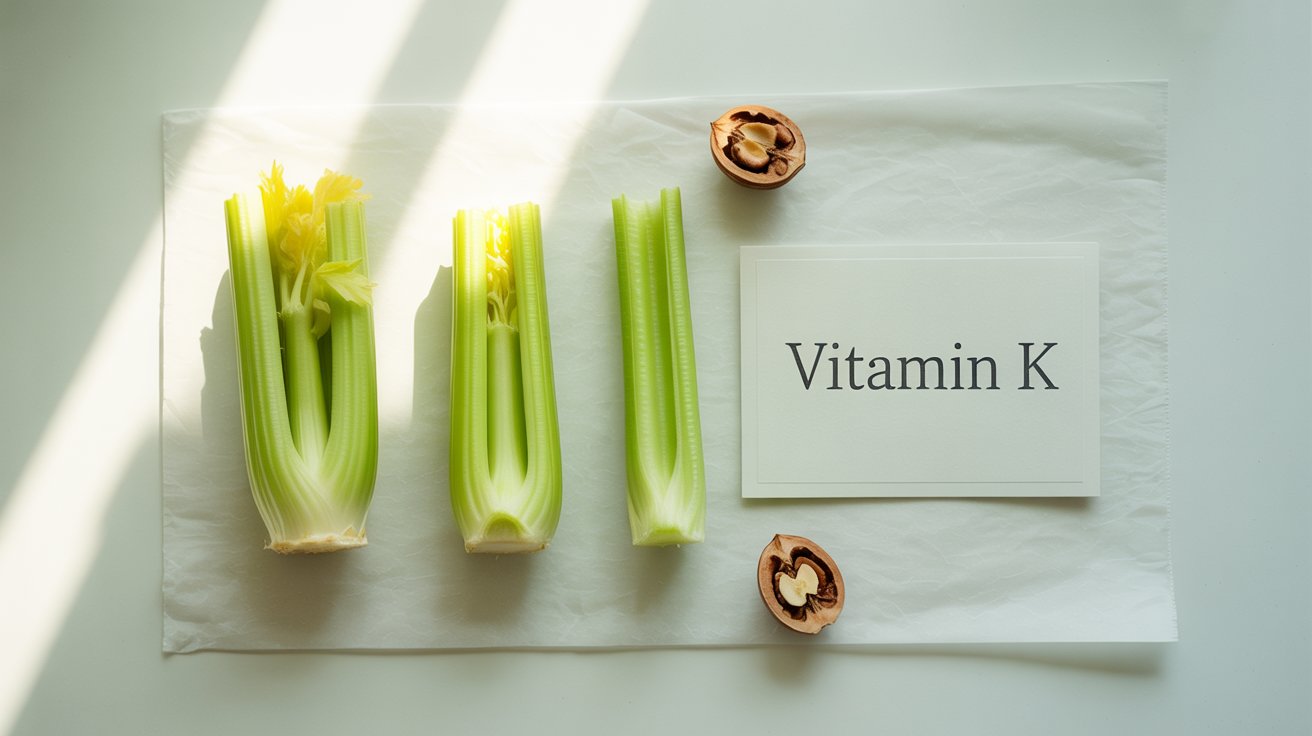
Vitamin K’s role deserves focused attention. Most people associate calcium with bone health, but Vitamin K is the compound that activates osteocalcin, the protein that actually binds calcium into bone tissue.
Without adequate Vitamin K, calcium circulates but doesn’t integrate properly into bone structure.
For anyone on anticoagulant medications like warfarin, the blood-clotting role of Vitamin K makes it worth discussing with a physician before dramatically increasing celery intake.
This is a standard clinical consideration that applies to any significant dietary increase in Vitamin K-rich foods.
Gut Health, Hydration, and the Foundations That Affect Everything Else
Celery is roughly 95 percent water. Eating it contributes meaningfully to daily hydration in a way that also delivers electrolytes, including potassium and sodium, in a naturally balanced ratio.
Proper hydration affects energy levels, cognitive function, and physical stamina in ways that directly support sexual energy and performance.
The dietary fiber in celery (about 1.6g per cup) feeds beneficial gut bacteria and supports regular digestion. Research over the last decade has increasingly connected the gut microbiome to hormone regulation, including testosterone and estrogen metabolism.
This is an area of active nutritional science, and celery’s contribution to gut health is one of its more underappreciated benefits.
How to Actually Eat Enough Celery to Notice a Difference
Sustainable dietary change is the foundation of everything I work on with clients. There is no point recommending a food that people will eat for three days and then abandon.
You need roughly 2 to 4 stalks of celery per day to work toward the kinds of benefits discussed in this article, and that’s genuinely achievable once you build it into existing habits.
Raw vs. Cooked Celery: Does It Matter for Nutrient Retention?
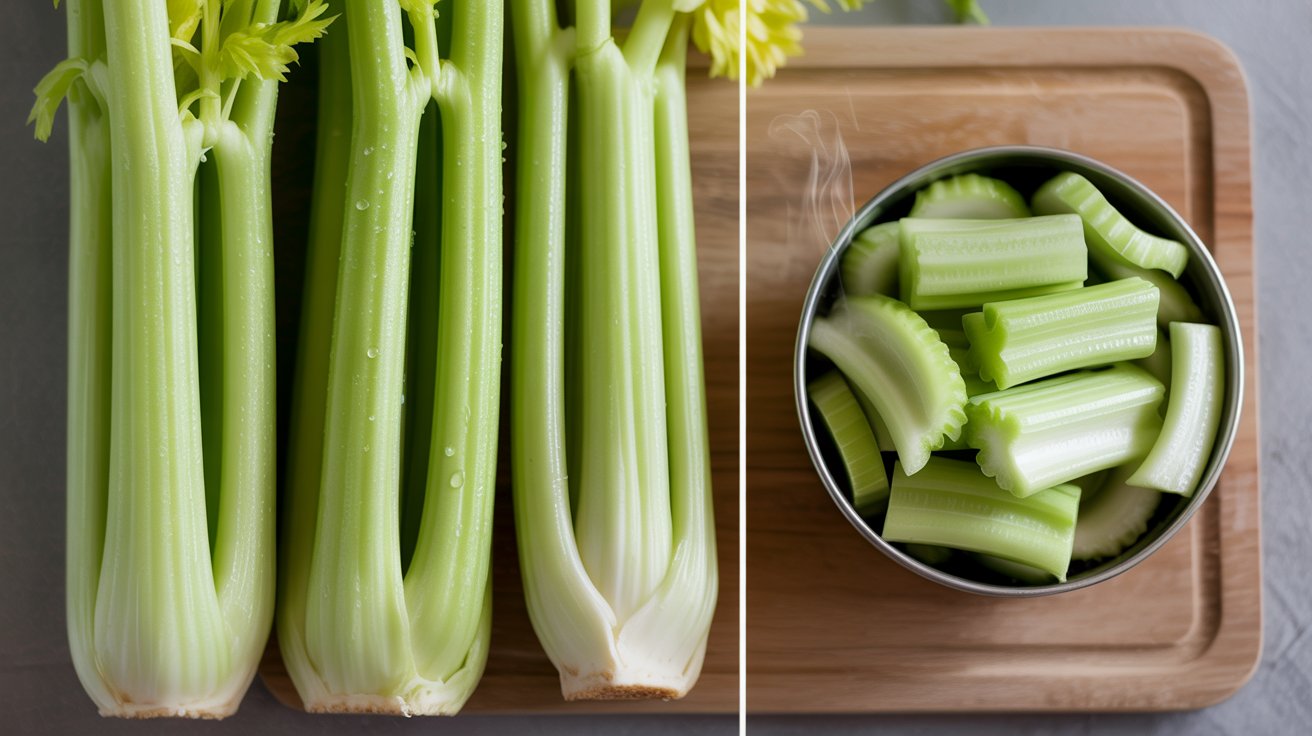
Both forms have a place, and the choice depends on which nutrients you’re prioritizing.
| Form | What You Preserve | What You Lose | Best For |
|---|---|---|---|
| Raw | Vitamin C, enzymes, water content, folate | Nothing significant | Snacking, juicing, salads |
| Lightly steamed | Most minerals and fat-soluble vitamins | Some Vitamin C | Side dishes, stir-fries |
| Long-cooked (stocks/soups) | Minerals, phthalides (heat-stable) | Vitamin C, some B vitamins | Flavor base, broths |
The phthalides responsible for blood pressure benefits are heat-stable, which means you get those benefits whether celery is raw or cooked. For fertility and antioxidant benefits, preserving Vitamin C and folate through raw or lightly cooked preparation is the better approach.
Simple Ways to Add Celery to Your Daily Meals Without Forcing It
Morning options:
- Green smoothie base: two stalks of celery blended with cucumber, apple, ginger, and a handful of spinach. The celery adds body and a subtle savory note that balances sweet fruit while delivering a concentrated hit of folate and potassium before the day begins.
- Celery with almond butter: a practical pre-workout snack that delivers fiber, protein, and healthy fat with almost no preparation time.
Lunch and dinner options:
- Rough-chopped in grain bowls: raw celery adds crunch and freshness while contributing micronutrients that complement heavier grain and roasted vegetable combinations.
- Braised into a sauce base: any well-built sauce starts with celery, onion, and carrot as an aromatic foundation. This is the simplest way to include celery in a meal without treating it as a dedicated ingredient.
- Thin-sliced in a salad: dressed with lemon juice and olive oil, celery contributes both texture and nutrition to almost any simple salad.
Pairing Celery with Other Foods That Amplify Its Benefits
Because fat-soluble vitamins E and K require dietary fat for absorption, pairing celery with a healthy fat source is a practical nutrition principle worth applying consistently.
Practical pairings with a clear nutritional rationale:
- Celery + avocado: improves fat-soluble vitamin absorption while adding potassium and monounsaturated fats that support cardiovascular health
- Celery + walnuts: omega-3 fatty acids in walnuts reinforce the same anti-inflammatory and cardiovascular pathways that celery’s compounds support
- Celery + eggs: eggs supply zinc and B12, both of which support testosterone production and reproductive health
- Celery + salmon or sardines: the omega-3 and arginine combination supports blood flow and reduces inflammation simultaneously
- Celery + pumpkin seeds: pumpkin seeds are among the highest natural sources of zinc, which is critical for testosterone synthesis and sperm quality
Celery Myths Worth Addressing
The Celery Juice Craze: What It Actually Delivers
The celery juice movement made bold claims: cures chronic illness, detoxifies the liver, transforms your hormones. Most of those claims lack scientific support.
What celery juice delivers is a concentrated dose of vitamins, minerals, and plant compounds from celery, without the fiber, since juicing removes the pulp. The loss of fiber means you miss the gut health and sustained blood sugar benefits that whole celery provides.
From a clinical perspective, whole celery gives you more complete nutritional benefits. If you enjoy celery juice, it can be a useful addition, but whole stalks should remain your daily baseline.
Is Celery a Medical Treatment for Sexual Health Conditions?
No, and this distinction matters. If you are dealing with diagnosed erectile dysfunction, fertility challenges, or hormonal conditions, those require proper medical evaluation and treatment. Nutrition supports health systems. It does not treat a diagnosed disease.
What I am addressing is the role of consistent, evidence-informed dietary choices in building and maintaining the biological foundations of sexual health over time. If you have specific health concerns in this area, please consult a physician or qualified healthcare provider.
What Actually Works Alongside Celery for Sexual Wellness
Celery works best as part of a broader approach that includes:
- Regular physical activity, especially resistance training, directly supports testosterone
- Adequate sleep, since testosterone production peaks during deep sleep
- Stress management, since cortisol suppresses testosterone and libido
- A diet broadly rich in zinc, B vitamins, antioxidants, and healthy fats
- Limited alcohol and processed food
Celery doesn’t carry the load alone. It’s a meaningful contributor to a system that depends on many parts functioning well together.
Final Verdict: Should You Be Eating More Celery?
After reviewing the research and applying it to what I see in nutrition practice, my answer is yes.
Celery earns its place in a diet focused on sexual health and long-term vitality in the same way it earns its place in evidence-based dietary guidance broadly: not by doing one dramatic thing, but by supporting multiple systems consistently.
The arginine-nitric oxide pathway for blood flow is real and well-documented. The micronutrient support for hormonal balance and sperm quality is meaningful. The cardiovascular benefits are cumulative and important.
The anti-inflammatory effects touch nearly every system involved in long-term vitality.
Two to four stalks per day, paired thoughtfully with fat sources to maximize absorption, incorporated into meals you already enjoy. That’s all it takes to start building toward the benefits this vegetable genuinely offers.
Frequently Asked Questions
Does celery increase testosterone directly?
Celery doesn’t directly spike testosterone levels. What the nutritional evidence supports is that celery’s combination of Vitamin K, antioxidants, and anti-inflammatory compounds helps protect and support the cellular environment in which healthy testosterone production is sustained over time.
Leydig cells, which are responsible for testosterone synthesis, are particularly vulnerable to oxidative damage, and celery’s antioxidant profile addresses this at a foundational level.
How much celery do you need to eat to see benefits?
Most nutritional research points to approximately two to four stalks per day as a meaningful intake level, which is roughly one cup of chopped celery.
In practice, the most sustainable approach for most people is splitting this across the day: a stalk or two as a raw snack and the remainder incorporated into a meal. Consistency over weeks and months matters far more than the precise daily amount.
Is celery juice better than whole celery for sexual health?
Whole celery delivers more complete benefits because the fiber remains intact, supporting gut health and hormone metabolism. Juice provides a concentrated dose of certain water-soluble compounds but removes the fiber entirely.
For clients focused on long-term nutritional benefit, I consistently recommend whole celery as the daily baseline, with juice as an optional addition rather than a substitute.
Can women benefit sexually from celery, too?
Yes. The blood flow, antioxidant, and hormonal support that celery provides apply to female sexual health as well. Particularly in terms of arousal response, which depends on pelvic blood flow, hormone balance, and the folate-driven cellular health that supports reproductive function broadly.
The underlying mechanisms are the same regardless of sex.
Are there any side effects of eating too much celery?
Celery contains a notable amount of natural sodium relative to most vegetables, approximately 80 to 90mg per cup, which is worth tracking for anyone managing a sodium-restricted diet. It is also a meaningful source of Vitamin K, which interacts with anticoagulant medications, including warfarin.
Anyone on blood thinners should consult their physician before significantly increasing celery intake. For most people without these specific considerations, celery is safe and well-tolerated in reasonable daily amounts.