| This article is for informational purposes only. It does not replace professional medical advice. If your sore throat lasts longer than 7 to 10 days, comes with a fever above 101°F, or makes swallowing increasingly painful, please see a healthcare provider. |
Someone in your life has almost certainly told you to take a shot of tequila when your throat starts burning. Maybe it was your grandmother, your college roommate, or a coworker who swears by a hot toddy every flu season. I hear some version of this from clients every winter, and I understand the logic completely.
You feel terrible. You want relief. Somewhere in the back of your mind, you remember alcohol killing germs on a scraped knee, so maybe swallowing a little of it works something similar on the way down.
Here is my answer as a registered dietitian nutritionist: alcohol does not help a sore throat heal. It does not kill the virus or bacteria causing the infection, and in most cases, it slows your recovery. The temporary relief some people feel is real, but understanding exactly where that relief comes from changes how you think about the remedy entirely. That is what this article is about.
What Alcohol Actually Does to Your Throat When You Are Sick
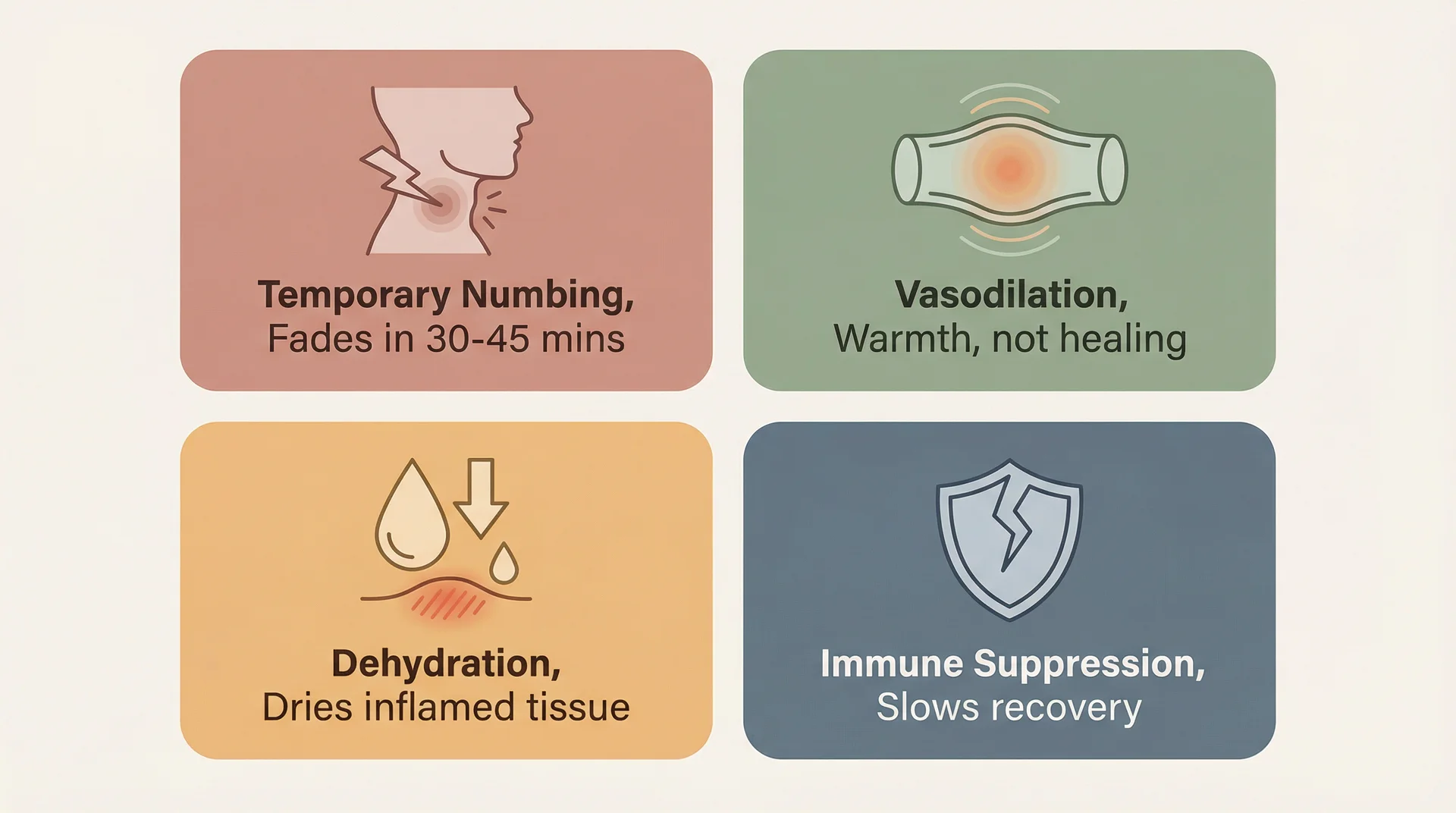
When I work with clients on illness nutrition, I spend time on mechanism, because knowing why something works or fails changes behavior more than the verdict alone. Here is what ethanol does in a sick body with an inflamed throat.
The Temporary Numbing Effect
Alcohol is a mild anesthetic. That is pharmacologically accurate, and it explains why a shot of tequila or a sip of whiskey briefly reduces throat pain. Ethanol temporarily dulls pain receptors in the mucosal lining of the throat.
The keyword is temporary. The numbing fades within fifteen to forty-five minutes. After it wears off, the underlying inflammation is exactly where it was, and in many cases, the throat feels drier than before, because of what alcohol does to hydration.
The Warm and Fuzzy Feeling, Explained
Alcohol dilates blood vessels. That is a real vasodilator effect, producing the flushed, warm sensation people associate with feeling better. When you are aching and chilled from a viral infection, that warmth feels medicinal.
It is not the same as healing blood flow reaching infected tissue. A cup of warm broth or herbal tea produces local warmth directly in the throat far more effectively, because the heat from the liquid does the work without any of the side effects that follow alcohol consumption.
The Dehydration Problem
Alcohol is a diuretic. It tells your kidneys to excrete more water than you take in. When your throat is already dry and inflamed and trying to maintain its moisture barrier to heal, alcohol directly undermines that process. Think of hydration as the soil your recovery grows in. Every sip of alcohol makes the soil drier.
The Congener Problem
Dark liquors such as whiskey, tequila, dark rum, and cognac contain congeners, which are fermentation byproducts that contribute to both the flavor and the harshness of the drink.
Congeners irritate mucous membranes directly, which means the specific spirits most commonly recommended as sore throat remedies are also the ones most likely to add irritation to tissue that is already inflamed. Clear spirits like vodka and gin have fewer congeners, though that does not make them a good choice when you are sick.
The Placebo Effect Is Real, and Worth Naming
A meaningful portion of the relief people attribute to alcohol comes from the placebo response. The expectation of comfort combined with sensory experiences, warmth, familiar taste, and a ritual of preparation can genuinely reduce the perception of pain even when the remedy has no direct therapeutic action.
This is not dismissal. The placebo effect is clinically measurable, and the comfort is real. It is worth knowing, though, that the same comfort is available without the dehydration and immune suppression attached.
Immune Suppression: The Part That Matters Most
Research on alcohol and immune function consistently shows that even moderate consumption reduces the activity of natural killer cells and lymphocytes, the cells your body uses to fight infection.
A 2015 review published in Alcohol Research found that alcohol disrupts the immune signaling pathways that govern how quickly and effectively the body responds to pathogens. When you have a sore throat, your immune system is already running at capacity. Alcohol gives the infection a window.
Does Tequila Help a Sore Throat?
This is the specific question many of you came here with, and it deserves a full answer.
Where the Belief Comes From
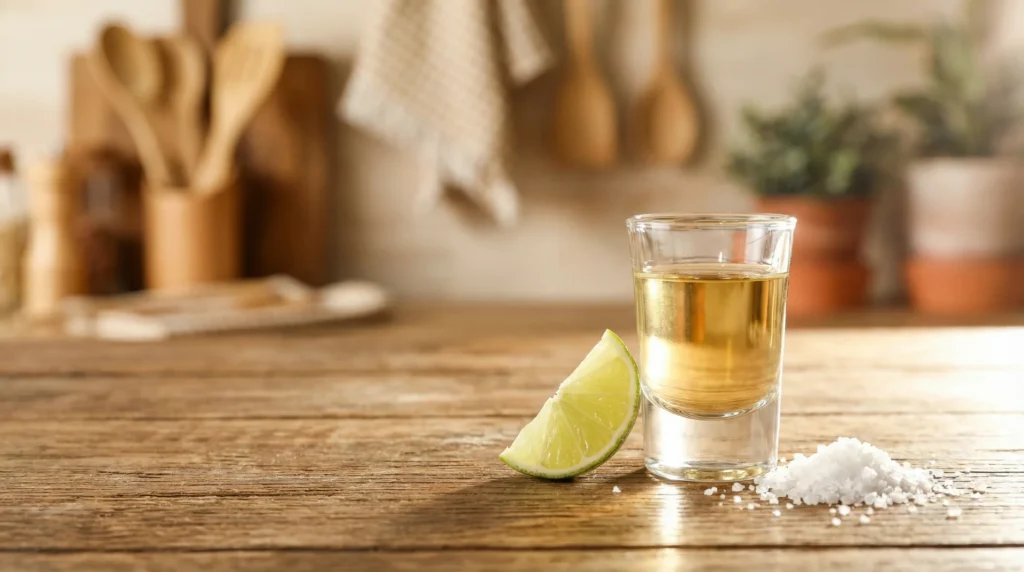
The tequila remedy has genuine historical roots. During the influenza pandemic of 1918, physicians in Mexico reportedly prescribed tequila with lemon and salt to patients with flu symptoms. The traditional preparation known as Tequila con Limón has been used in Mexican folk medicine for generations.
Food historian Jeffrey Miller of Colorado State University has written about this tradition specifically, noting that Mexican households still stir a small amount of tequila into hot tea with honey for sore throats.
I find the history worth respecting. Folk remedies survive across generations because they produce some consistent experience. That experience is worth understanding rather than dismissing.
What Agave Actually Contains, and What Gets Lost in Distillation
The blue agave plant contains fructans and measurable antioxidants. Some agave fructans show prebiotic properties in research. These are real compounds with biological activity.
The problem is the distillation process. When agave is fermented and distilled into tequila, those beneficial compounds do not survive in meaningful concentrations in the finished spirit. What remains in the bottle is primarily ethanol and water. The shot in your hand is not delivering agave’s nutritional properties in any clinically relevant amount.
What the Shot with Lime and Salt Actually Does
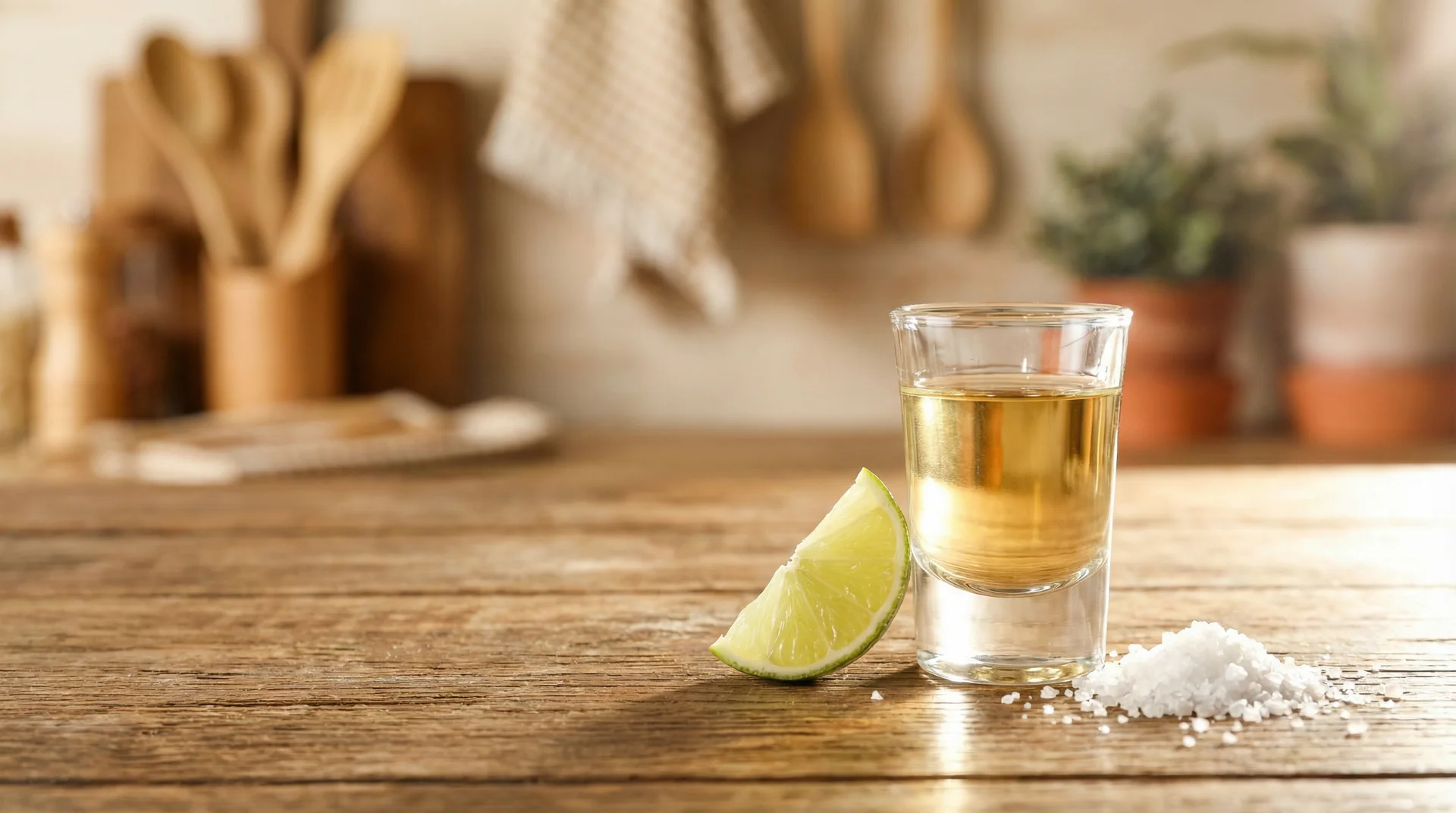
If a tequila shot with lime and salt gives you some relief, here is what is probably happening. The lime stimulates saliva production, which keeps your throat moist and provides a small amount of vitamin C. The salt can briefly reduce surface irritation on the mucosal lining, similar in a mild way to a salt water gargle. The alcohol produces that anesthetic flash.
The lime is doing most of the useful work. The tequila is mainly the vehicle.
When Tequila Makes Things Worse
Two situations make tequila a particularly bad idea. The first is when your sore throat comes from acid reflux or GERD. Alcohol relaxes the lower esophageal sphincter, the muscle that keeps stomach acid from rising into the throat. If reflux is already the cause of the irritation, tequila worsens it directly.
The second is if you are taking any over-the-counter cold or flu medication containing acetaminophen, including NyQuil, DayQuil, Theraflu, and most combination cold medicines. Combining acetaminophen with alcohol carries a real risk of liver damage even at doses that seem moderate. Many people do not read ingredient labels carefully enough to notice the acetaminophen. Check your medication before reaching for any alcoholic remedy.
Does Alcohol Kill the Bacteria in Your Throat? (The ABV Question)
This is the belief underneath a lot of folk remedy logic, so it deserves a direct answer.
- Alcohol sanitizers need to be between 60% and 95% ABV to kill bacteria reliably on contact.
- Standard spirits sit at around 40% ABV, and the brief moment of contact between a swallowed drink and your throat lining reduces the effective concentration further.
Drinking-strength alcohol does not disinfect your throat. The concentration is too low, and the contact time is too brief.
Gargling with spirits does not solve this either. Several competing sources suggest gargling whiskey as a throat remedy. Gargling with alcohol-strength spirits at 40% ABV brings the concentration problem without fixing it, and it adds direct irritation to already inflamed mucosal tissue. Salt water at the right concentration is far more useful for gargling and far gentler on inflamed tissue.
The Hot Toddy: What Is Actually Doing the Work
The hot toddy is probably the most widely used alcoholic sore throat remedy, and it sits in genuinely interesting territory. It deserves neither the wholehearted endorsement some folk medicine enthusiasts give it nor the complete dismissal some clinical voices reach for.
A classic hot toddy contains hot water, whiskey, honey, and lemon. Sometimes a cinnamon stick or fresh ginger goes in. That ingredient list tells the real story.
The Ingredients That Help
Honey has the strongest evidence base of anything in the drink.
A 2021 review in BMJ Evidence-Based Medicine found honey more effective than standard care for upper respiratory symptoms, including cough frequency and severity. It coats the throat lining, has documented antimicrobial properties, and acts as a natural cough suppressant. Add it after the water cools slightly to preserve its active compounds.
Lemon stimulates saliva production, which is your body’s own mechanism for keeping the throat moist. Vitamin C supports immune function. If your throat is very raw, go easy on the lemon since high acidity can sting, but a light squeeze in warm water is genuinely useful.
Hot water with steam raises the temperature of throat tissue, increases local blood flow, and loosens mucus. A 2008 study found hot drinks reduced sore throat, chilliness, and tiredness in people with colds compared to room-temperature drinks. The steam you breathe while sipping also helps clear congestion.
Ginger, when added, brings gingerols and shogaols with anti-inflammatory and decongestant properties that help with both throat pain and post-nasal drip.
What the Whiskey Actually Contributes
The whiskey adds mild vasodilation with a modest decongestant effect in the nasal passages. It adds the brief anesthetic comfort described earlier. In small amounts, it can help a sick person relax enough to fall asleep, and sleep genuinely matters for immune recovery.
That is a real, if indirect, benefit. Dr. William Schaffner, chair of preventative medicine at Vanderbilt University, has said the hot toddy acts like a medicine in reducing symptoms. He is right that it reduces symptoms. The reduction comes from honey, lemon, and hot water. The whiskey is the weakest link in the formula.
The Non-Alcoholic Hot Toddy: Same Comfort, Better Recovery
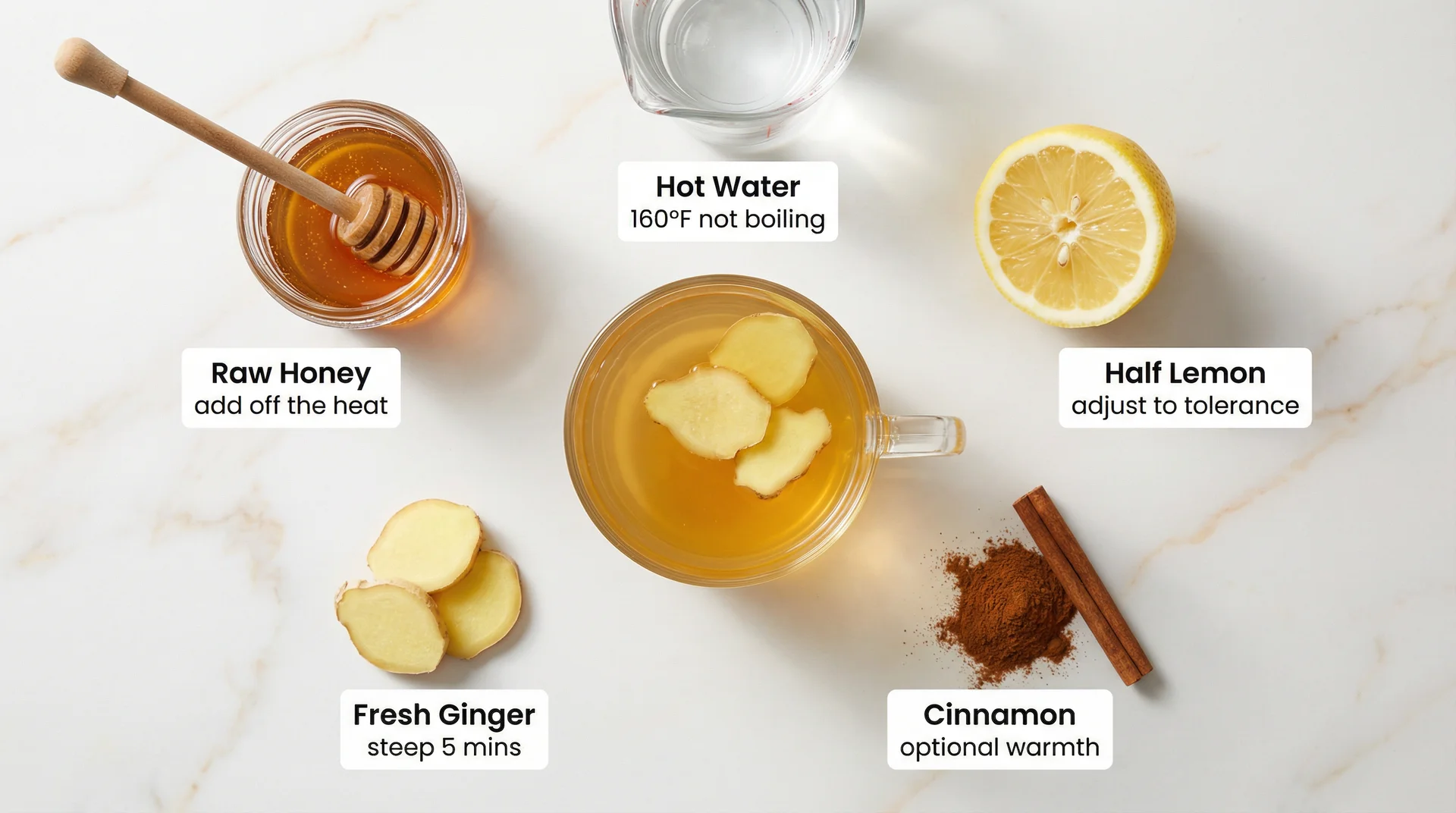
Once you strip the whiskey out, what you have left is a genuinely excellent sore throat drink with no downside. This is what I actually make, and what I reach for first when clients ask me what to drink when they are sick.
What you need:
- 1 cup of hot water, around 160°F (not boiling)
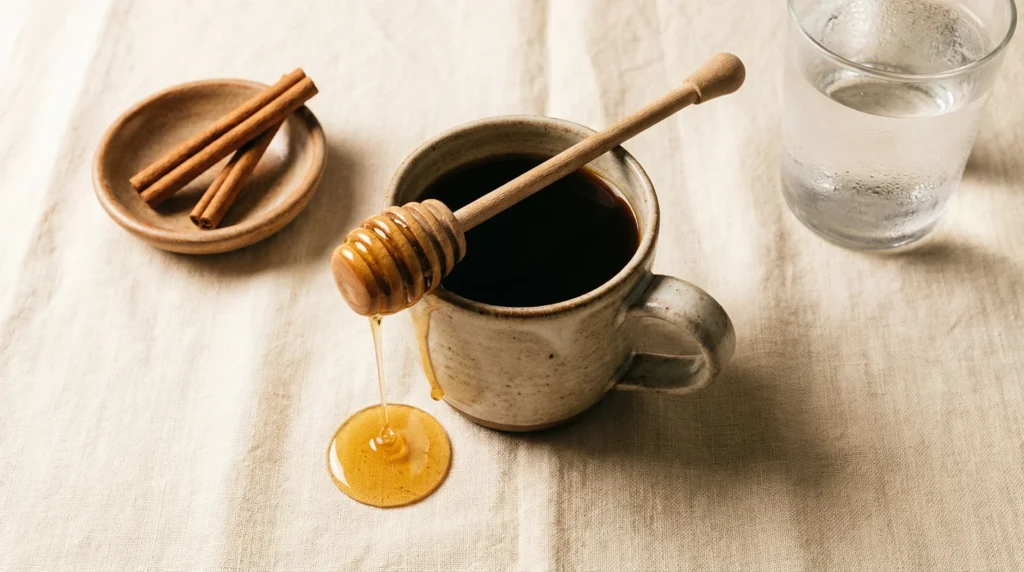
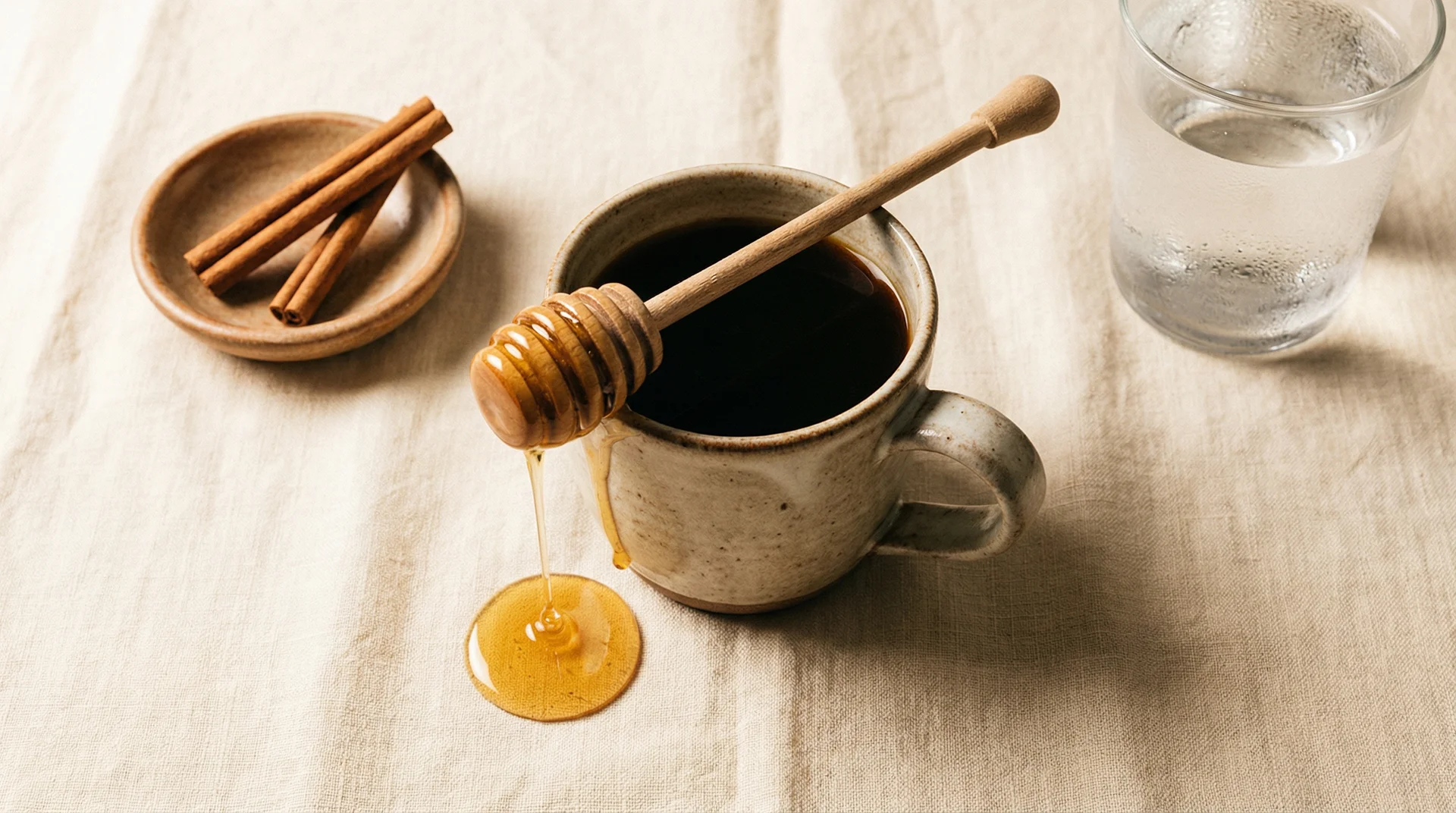
- 2 teaspoons raw honey, added once the water is off the heat
- Juice of half a lemon, adjust to your throat’s tolerance
- 2 to 3 thin slices of fresh ginger, steeped in the hot water for five minutes before adding the honey and lemon
- A pinch of cinnamon, if you want the warmth of it
Sip slowly. Let each mouthful rest at the back of the throat for a moment before swallowing. You get the warmth, the honey’s antimicrobial coating, the lemon’s saliva stimulation, and the ginger’s anti-inflammatory effect without any of the dehydration or immune suppression the whiskey brings.
A Comparison of Common Alcoholic Drinks for Sore Throat
Most people asking about alcohol and sore throats have a specific drink in mind. Here is an honest breakdown.
| Drink | What People Believe | What the Evidence Shows |
|---|---|---|
| Whiskey / Bourbon | Natural decongestant, kills germs | Mild vasodilation only; high in congeners that can add direct irritation |
| Tequila | Traditional remedy, agave benefits | Brief anesthetic flash from ethanol; agave nutrients do not survive distillation |
| Red wine | Antibacterial properties | A 1988 in vitro study showed red wine killed certain bacteria in a lab; drinking it does not replicate this in the throat |
| Beer / hard seltzer | Refreshing, hydrating | Carbonation irritates already inflamed tissue; worst alcoholic option for a sore throat |
| Vodka / gin shots | High proof kills bacteria | 40% ABV is far below the 60-95% needed for an antiseptic effect |
| Dark rum | Warming, traditional remedy | High in congeners like dark whiskey, the honey and lemon in a rum toddy carry the benefit |
The red wine point comes up often in client conversations, often cited as “I read a study.” The 1988 study showing red wine killed Salmonella and Shigella in a petri dish is real. In vitro antibacterial activity in a controlled laboratory setting does not translate to gargling or drinking red wine and clearing a throat infection. The concentration reaching your throat tissue during normal drinking is completely different from what happens in a controlled experiment.
Why Does My Throat Hurt After Drinking Alcohol?
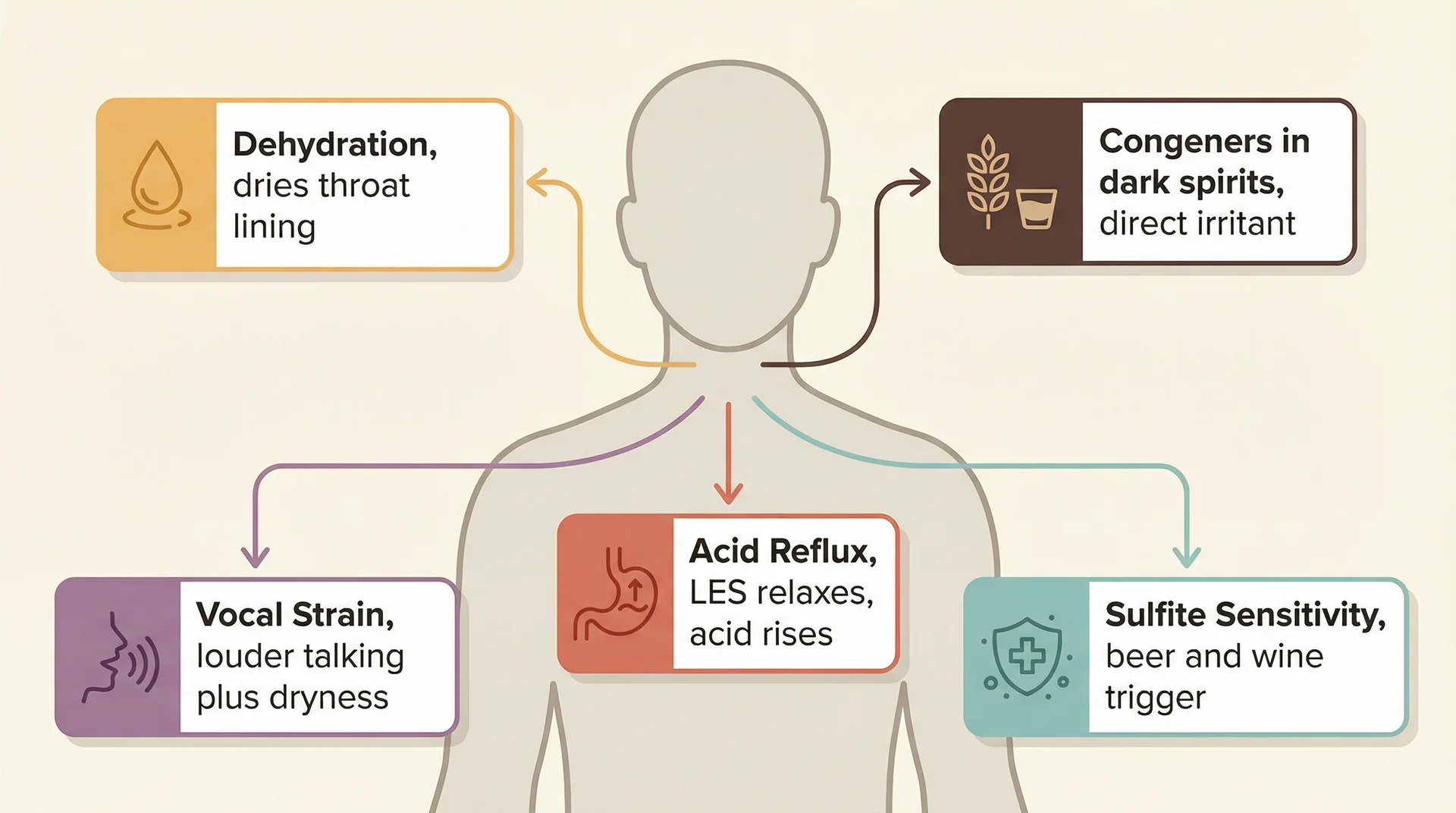
This is a related question that comes up constantly, and it is worth addressing here because it is the opposite of the remedy belief but rooted in the same biology.
When alcohol irritates rather than soothes, here are the reasons:
Dehydration dries out the mucosal lining of the throat, which depends on moisture to trap pathogens and reduce friction. Dry tissue becomes inflamed and sore.
Congeners in dark spirits cause direct mucosal irritation, which is why a night of whiskey or dark rum often produces more morning throat soreness than a night of clear spirits.
Acid reflux triggered by alcohol reaching the throat through the relaxed esophageal sphincter produces a burning soreness that feels different from infection but hurts just as much.
Vocal strain in loud social settings combined with alcohol’s dehydrating effect puts significant stress on the vocal cords, producing hoarseness and soreness that can last into the next day.
Sulfite sensitivity affects some people, specifically with beer and wine. Sulfites can trigger sinus congestion and throat irritation even in people who tolerate other forms of alcohol without issue.
Understanding why alcohol causes throat pain in one context while some people still reach for it as a remedy in another is really the same mechanism viewed from different angles. The temporary anesthetic effect can mask irritation that is happening simultaneously.
When a Small Amount of Alcohol Probably Will Not Make Things Worse
I want to be honest rather than absolutist, because absolutism loses credibility faster than nuance does.
If you are an adult with a mild viral sore throat, you are not taking any medication that interacts with alcohol, your throat pain does not come from acid reflux, you are well hydrated, and you have a single warm toddy before bed, that is not a clinically significant harm. The dehydration from one drink is manageable if you drink water alongside it. The immune suppression from one moderate drink is real but modest.
The threshold I give clients is this: if you are on any medication, if symptoms are severe, if you suspect strep or reflux, or if you are pregnant, skip alcohol entirely and use the non-alcoholic version. If none of those apply and you want the warm toddy for comfort, keep it to one drink, make it heavy on honey and lemon, and follow it with a full glass of water.
What to Drink Instead
For the full breakdown of every effective sore throat drink with the reasoning behind each one, I have written a complete guide to sore throat drinks covering everything from ginger tea to bone broth. For the specific moment when someone has suggested tequila or whiskey, and you want something that works:
Honey and warm lemon water are the most evidence-backed options available. Two teaspoons of raw honey, juice of half a lemon, and one cup of warm water.
The non-alcoholic hot toddy with ginger gives you everything the alcoholic version offers, plus the anti-inflammatory effect from fresh ginger, without the dehydration.
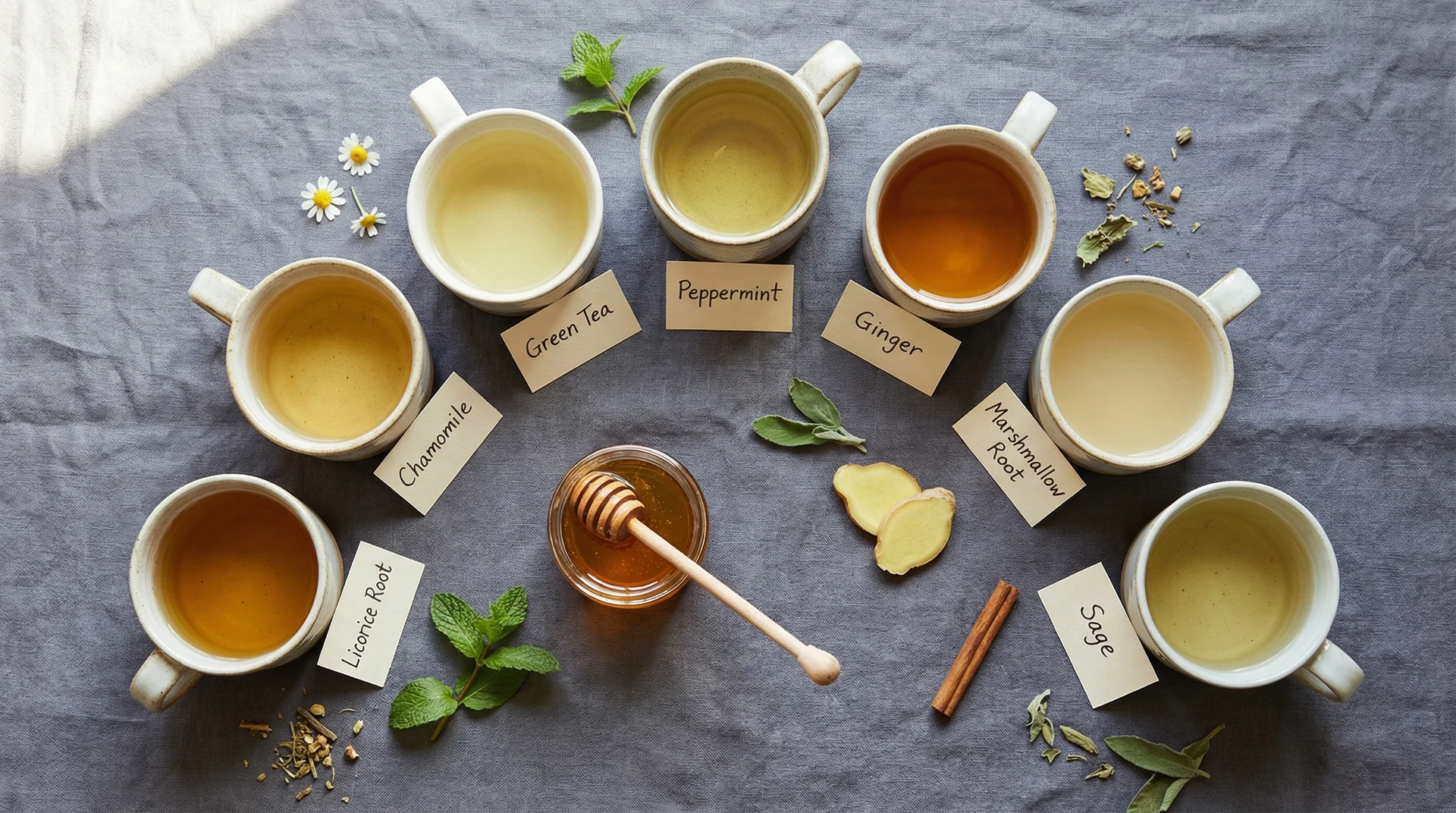
Warm chamomile tea with honey works well at night, specifically because chamomile contains apigenin, a flavonoid with mild analgesic and calming properties that help you sleep without disrupting REM recovery the way alcohol does.
Sip every one to two hours while you are awake. Frequency matters more than volume.
Frequently Asked Questions
Does alcohol kill the bacteria causing a sore throat?
Drinking-strength alcohol sits at around 40% ABV. Antiseptic alcohol needs to be between 60% and 95% to kill bacteria reliably. Swallowing a drink does not disinfect your throat. The concentration is too low, and the contact time with the throat tissue is too brief.
Is a hot toddy good for a sore throat?
The honey, lemon, and hot water in a hot toddy do genuinely help. The whiskey contributes mild temporary relief. The non-alcoholic version of the same drink gives you all the meaningful benefits without the immune suppression and dehydration that alcohol adds.
Does tequila help a sore throat?
It produces a brief anesthetic effect that can temporarily reduce pain. It does not treat the underlying infection, and the agave compounds that sound beneficial do not survive distillation in medically relevant amounts. The lime you take with it is doing more useful work than the tequila.
Can I drink alcohol if I am taking NyQuil or DayQuil?
No. Both contain acetaminophen, and combining acetaminophen with alcohol puts real stress on the liver even at moderate doses. Check the ingredient label on any cold or flu medication you take before considering any alcoholic remedy.
Is gargling with whiskey useful?
No. Drinking-strength alcohol at 40% ABV is well below the antiseptic threshold needed to kill bacteria, and gargling with spirits adds direct irritation to already inflamed mucosal tissue. Salt water at half a teaspoon per cup of warm water is far more useful and much gentler.
Will alcohol help me sleep when I am sick?
It can help you fall asleep faster. It also reduces REM sleep, which is the restorative stage your body uses most for immune repair. The trade-off from faster sleep onset to reduced sleep quality tends to be negative for recovery. Chamomile tea with honey gets you to sleep without that trade-off.
Does the type of alcohol matter for a sore throat?
Yes, and the difference matters more than most people realize. Dark spirits such as whiskey, tequila, dark rum, and cognac contain congeners, which are fermentation byproducts that directly irritate mucous membranes. Clear spirits like vodka and gin have fewer congeners. None of them are a good choice when your throat is already inflamed, but dark spirits are actively worse.