
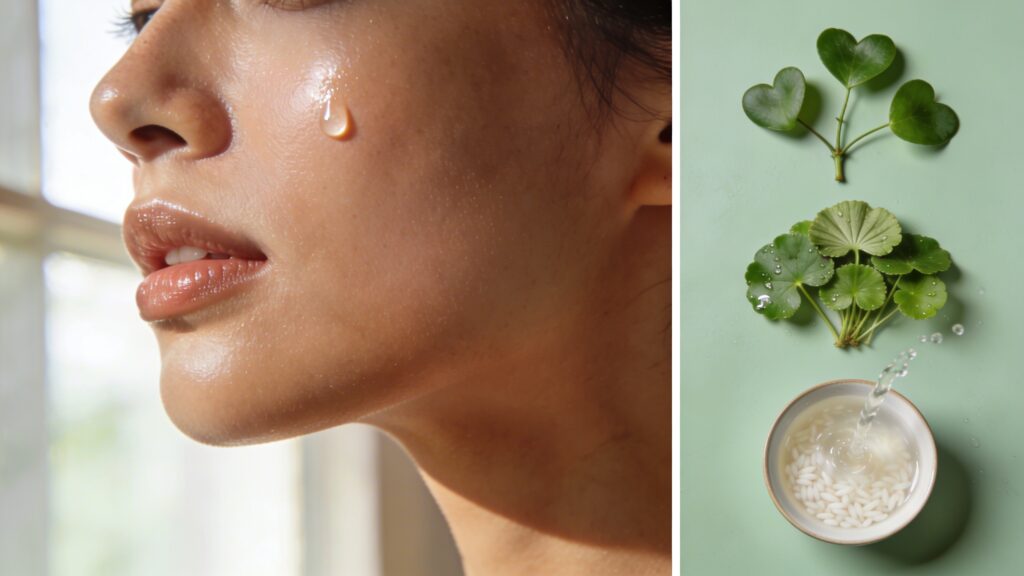
About three years ago, a client walked into my treatment room carrying a tote bag of skincare. She laid everything out on the table the way people do when they want me to find the problem.
Cleanser, two serums, a thick moisturiser, and SPF. A solid routine by most standards. Her skin felt like paper. Tight, dull, and visibly dehydrated despite moisturising twice a day.
I asked her one question: What are you using between your cleanser and your serums?
She looked at me blankly.
That conversation led me to hand her a Korean toner for the first time. Two weeks later, her skin had shifted more noticeably than it had in the previous six months of using those serums alone.
This guide covers everything I have learned about Korean toners across a decade of clinical practice:
- Why do they outperform most Western toners at a formulation level
- Which ingredients to look for by skin concern
- Best products currently available by skin type
- How to apply them correctly so they actually do what they are supposed to do.
Why Korean Toners Are Built Differently
A different philosophy from the ground up
Korean skincare builds from a premise that Western skincare largely skips: that every skin concern, whether acne, aging, pigmentation, or sensitivity, is better addressed on skin that has been properly hydrated first.
Western skincare tends to ask, “What is the problem and how do I correct it?“
Korean skincare asks first: “Is this skin adequately hydrated and barrier-intact to receive a treatment at all?“
The toner is where that philosophy begins. It is the first real hydration delivery step after cleansing, and Korean formulators take it more seriously than most Western brands historically have.
Why “toner” means something completely different in Korean skincare
In Western skincare, “toner” has historically meant an astringent product used to remove residue and temporarily tighten pores.
Often alcohol-heavy. Often drying. That product still exists, and for dry or aging skin, it is actively harmful.
In Korean skincare, the same word refers to a lightweight, hydrating, water-based product that sits at the very beginning of the treatment sequence. Its job is to hydrate, balance pH, and soften the skin surface to prepare it for what follows.
The closest Western concept would be somewhere between a hydrating mist and a lightweight serum, but even that undersells what the best Korean toners actually deliver.
What Korean regulatory standards mean for your skin
Korean cosmetics fall under a regulatory framework managed by the Ministry of Food and Drug Safety (MFDS).
The standards around ingredient safety, efficacy testing, and formulation are rigorous. Korean brands invest heavily in R&D relative to their size, and fermentation technology in particular has been developed to a level that the global skincare industry now actively follows.
A single Korean toner might combine fermented extracts, barrier lipids, humectants, antioxidants, and soothing botanicals in concentrations that most Western toners do not approach. You are getting more functional work done in what is technically a prep step.
Understanding the Korean Toner Categories
Skin toners (called “skin” in Korean): the lightest, most watery layer
These are the most traditional Korean toner formats. Very watery, almost indistinguishable from water in texture, and they absorb almost immediately after application.
Their primary job is rapid hydration, pH restoration, and surface softening. Good entry point for first-time K-beauty users and ideal for the 7-skin layering method.
Essences and first serums: where the line blurs
Slightly thicker than skin toners, with a higher concentration of active ingredients, often fermented.
They sit between the toner and serum in a layered routine. In practice, many K-beauty brands use “first serum” and “essence” interchangeably.
The most useful approach: look at the texture and ingredient list rather than the category name. If it is thinner than your serum and thicker than water, apply it after your toner and before your serum.
Toner pads: the hybrid format worth knowing
Pre-soaked cotton or fiber pads infused with toner. They offer the convenience of a pre-measured dose, often with a textured side for gentle exfoliation and a smooth side for hydration.
Particularly useful for travel, for applying exfoliating toners with controlled friction, or for those who prefer not to pour product into their hands. For hydrating use, use the smooth side only.
For gentle exfoliation, use the textured side two to three times per week at most.
Treatment and boosting toners: where hydration meets actives
Some Korean toners include low concentrations of exfoliating acids, niacinamide, or other actives alongside their hydrating base.
These do double duty: hydration plus a gentle functional benefit.
For dry and aging skin, use acid-containing treatment toners two to three times per week at most. A pure hydrating toner on the remaining days keeps the barrier intact between active uses.
Quick Match: Which Korean Toner Type Does Your Skin Need
| Skin concern | Start with this type | Key ingredients to look for |
|---|---|---|
| Dry and dehydrated skin | Essence-style toner | Hyaluronic acid, glycerin, beta-glucan, ceramides |
| Aging skin | Ferment-rich essence | Galactomyces, bifida ferment, peptides, adenosine |
| Oily and acne-prone skin | Lightweight skin toner | Niacinamide, heartleaf extract, BHA (2-3x weekly) |
| Sensitive or compromised barrier | Centella or heartleaf toner | Centella asiatica, beta-glucan, ceramides, allantoin |
| Dullness and uneven tone | Rice ferment or brightening toner | Rice extract, niacinamide, low-dose AHA |
| Combination skin | Lightweight AM, richer essence PM | Glycerin, niacinamide, centella asiatica |
| First-time K-beauty user | Simple hydrating skin toner | Glycerin, sodium hyaluronate, panthenol |
The Ingredients That Make Korean Toners Work
Once you understand these ingredients at a functional level, you stop needing recommendations and start being able to evaluate any product independently.
Galactomyces ferment filtrate
A yeast-derived ferment that became internationally recognised when researchers noticed sake brewery workers had remarkably youthful hands despite years of manual labour.
In a Korean toner, galactomyces hydrates brighten the appearance of uneven skin tone and improve surface texture over time. Well tolerated by most skin types, including sensitive skin, which explains why it appears so frequently in Korean formulations.
Bifida ferment lysate
Comes from the fermentation of Bifidobacterium, a bacterium naturally found in a healthy skin microbiome. As skin ages, microbiome balance shifts, contributing to increased sensitivity and slower barrier recovery.
Research has shown that bifida ferment lysate helps restore barrier integrity, reduces transepidermal water loss, and improves the skin’s ability to recover from environmental stress. For aging skin, this goes beyond surface hydration and actively supports long-term structural health.
Heartleaf extract (Houttuynia cordata)
One of the most popular ingredients in current Korean skincare, the Anua Heartleaf toner is becoming one of the most-searched K-beauty products globally. Heartleaf extract has measurable anti-inflammatory and antibacterial properties.
At the concentrations used in products like Anua’s 77% formula, it calms active inflammation, controls excess sebum, and soothes skin without disrupting the barrier. Particularly effective for skin that is simultaneously oily and sensitive.
Centella asiatica (CICA)
Used in traditional Korean and Ayurvedic medicine for wound healing for centuries. Modern research supports its use as a barrier-strengthening, anti-inflammatory, and collagen-stimulating ingredient.
For clients with red, reactive, or sensitised skin, a centella-based Korean toner is often the first product I introduce. It calms without suppressing, hydrates without occluding, and supports the barrier’s own repair mechanisms rather than doing the work for it.
Snail secretion filtrate
Research published in the Journal of Drugs in Dermatology has shown that snail secretion filtrate contains glycoproteins, hyaluronic acid, glycolic acid, zinc, and manganese, which together support hydration, wound healing, and collagen synthesis.
In dedicated snail products, it typically appears at 70 to 96 percent concentration. For aging and dry skin, the combination of hydration, gentle exfoliation from trace glycolic acid, and collagen support is clinically compelling.
Rice fermentation and rice extract
Rice has been part of the Korean skincare ritual for generations. Fermented rice extracts deliver ferulic acid, allantoin, and inositol in smaller molecular forms that penetrate the skin more effectively than unfermented equivalents.
For aging skin dealing with dullness or uneven tone, a Korean toner containing rice ferment is one of the most gentle and consistently effective brightening options available.
Mugwort extract
Artemisia (mugwort) has been used in Korean herbal medicine for centuries and is now one of the most sought-after ingredients in K-beauty toners. It contains azulene, a compound with strong anti-inflammatory properties.
Mugwort toners are particularly effective for skin that is both sensitised and prone to breakouts, offering calming benefits without the drying effect of alcohol-based astringents.
Beta-glucan
Derived from oats, mushrooms, or yeast, beta-glucan forms a flexible moisture-retaining film on the skin surface.
Research published in the National Library of Medicine found that beta-glucan’s moisture retention capacity is comparable to hyaluronic acid, and its anti-inflammatory properties make it particularly suited to sensitised or post-treatment skin.
For clients with reactive skin, beta-glucan is often better tolerated than hyaluronic acid alone.
Niacinamide (Vitamin B3)
Korean toners often include niacinamide at concentrations between 2 and 5 percent.
At these levels, it addresses hyperpigmentation, minimizes the appearance of pores, regulates sebum, and reinforces the skin barrier simultaneously.
Concentration matters: niacinamide as the tenth ingredient on a long list is likely below the 2 percent threshold where research confirms efficacy. Look for it in the first five to seven ingredients.
Ingredients to Avoid in Korean Toners
Alcohol denat and ethanol (high on the ingredient list)
Strips the barrier, accelerates transepidermal water loss, and damages skin with every application.
The temporary tightening sensation it creates feels like efficacy, but is simply dehydration. If either appears in the first five ingredients, it is a meaningful concentration. Choose something else.
Artificial fragrance (parfum)
One of the most common causes of contact dermatitis. Offers no functional benefit. Masks poor formulation.
For sensitive, dry, or aging skin, fragrance-free is the correct choice. Look for “fragrance-free” specifically rather than “unscented,” which can still contain masking fragrances.
Menthol and camphor
Produce a cooling sensation that disguises irritation. Thin the barrier over time with consistent use.
Common in products marketed as “refreshing” or “pore-tightening.” Neither ingredient has a place in a hydrating Korean toner.
High-dose exfoliating acids in daily-use formulas
Effective when used two to three times per week in appropriate concentrations.
Counterproductive when used daily in a product positioned as your everyday toner, particularly for dry or sensitive skin.
Check concentrations: glycolic acid above 5 percent as a daily-use formula is too aggressive for most skin types.
The Best Korean Toners by Skin Type and Concern
For dry and dehydrated skin
Pyunkang Yul Essence Toner
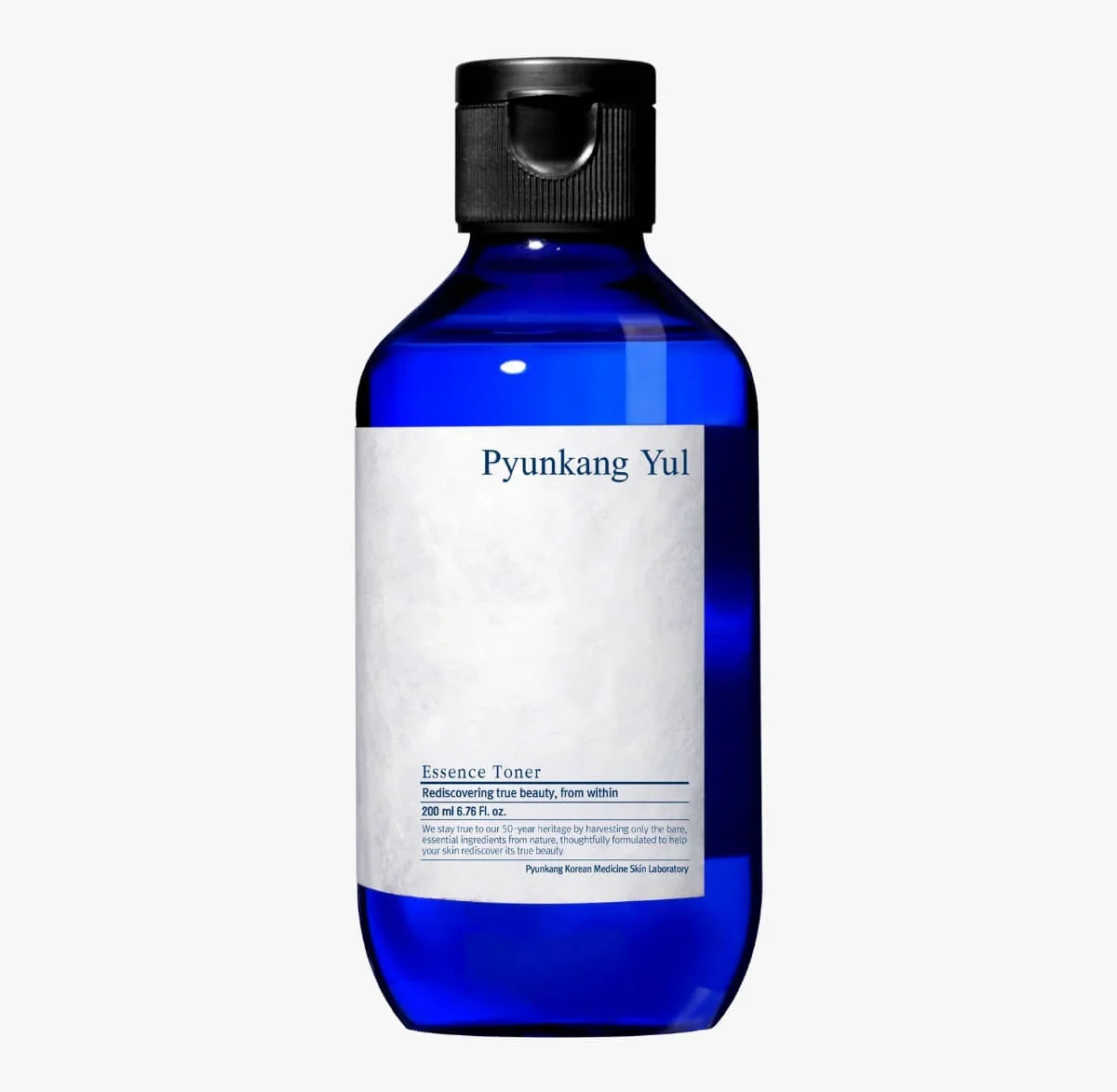
Best for: severely dry and ingredient-sensitive skin
Built around 70 percent milk vetch root extract (Astragalus), this is one of the most stripped-back, high-efficacy hydrating toners available.
No fragrance, no alcohol, no unnecessary additives. The formula is intentionally minimal, which makes it one of the safest options for skin that reacts to most products.
I return to this one more than any other for clients with both significant dryness and ingredient sensitivity.
The texture is slightly thicker than water, absorbs cleanly, and layers well for a multi-layer application.
Key ingredients: Astragalus membranaceus root extract (70%), glycerin, betaine
Klairs Supple Preparation Unscented Toner
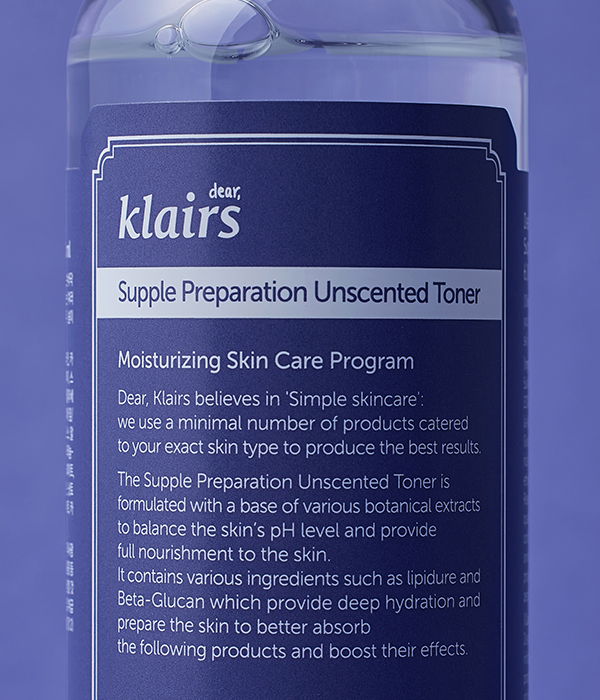
Best for: dry skin with simultaneous sensitivity
One of the most consistently recommended Korean toners across clinical and consumer contexts for good reason.
It is fragrance-free, combines hyaluronic acid with centella asiatica and niacinamide, and the formula is gentle enough for daily use on skin that is both dry and reactive.
The unscented version specifically is the one I recommend. The original formula contains some botanical fragrance that some sensitive skin types react to.
Key ingredients: Hyaluronic acid, centella asiatica, niacinamide, panthenol haruharu wonder
Black Rice Hyaluronic Toner
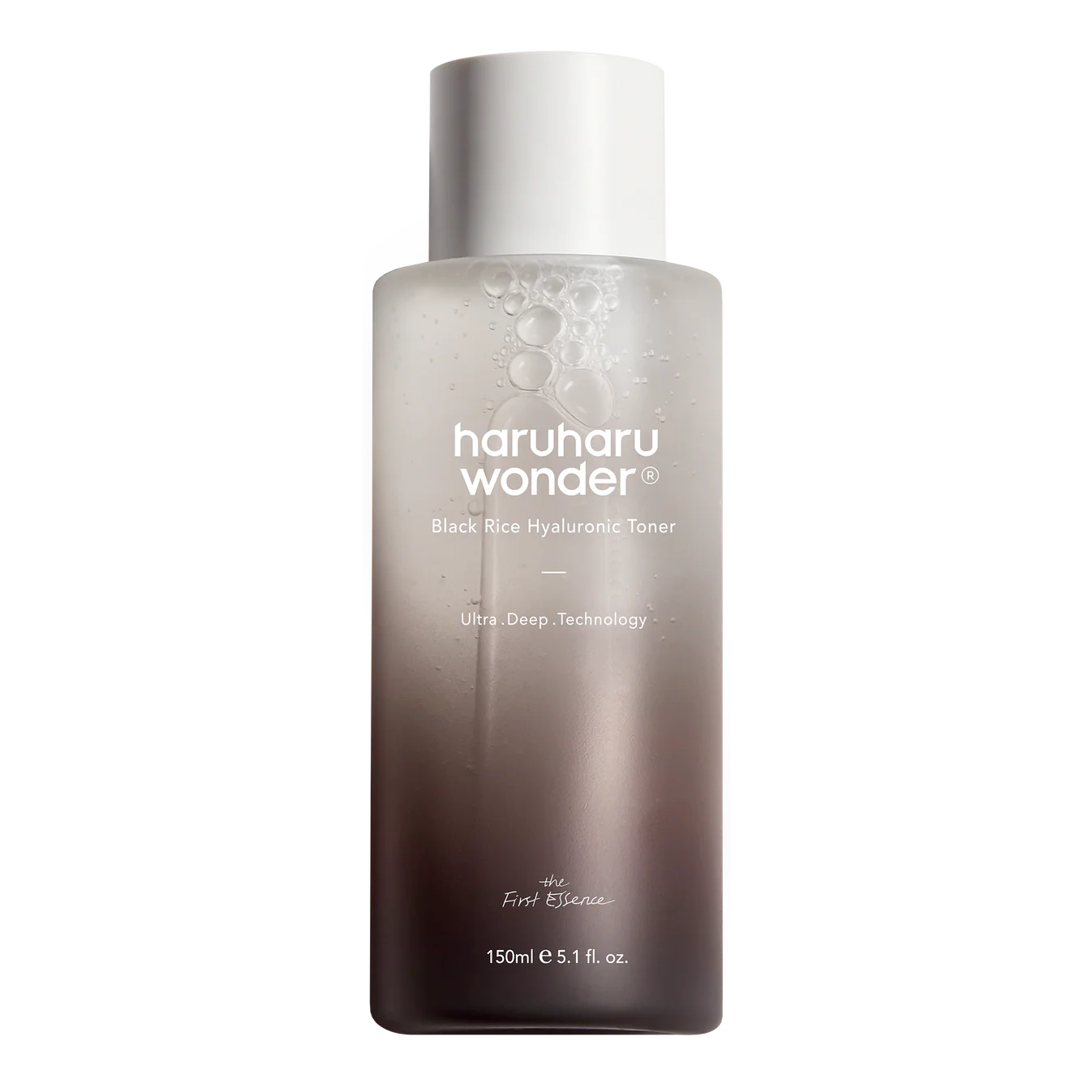
Best for: dry skin wanting brightening alongside hydration
Formulated with 95 percent naturally-derived ingredients, including fermented black rice and multiple forms of hyaluronic acid.
Black rice is rich in anthocyanins and antioxidants that support brightening and anti-aging alongside hydration. Fragrance-free, alcohol-free, and absorbs quickly without stickiness.
A strong option for dry skin that also wants to address dullness or early signs of aging without adding a separate product.
Key ingredients: Fermented black rice extract, sodium hyaluronate, centella asiatica water
Biodance First Synergy Toner
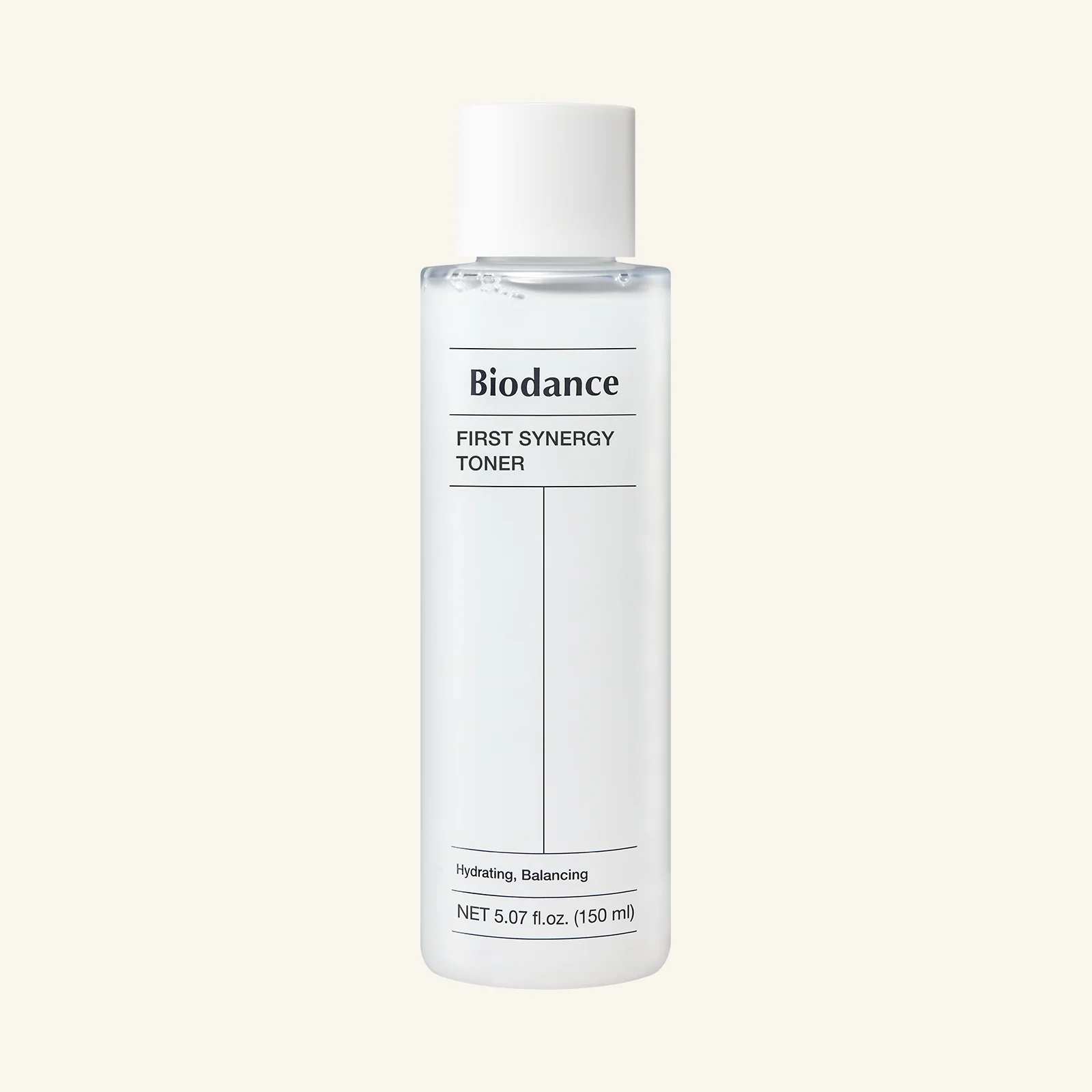
Best for: dry skin needing a serum-level hydration boost
A milky essence-toner hybrid with 96 percent moisture-rich ingredients.
The texture is richer than a standard skin toner, closer to a light essence, and it delivers a measurable plumping effect on first use.
Ceramides and fermented ingredients make it effective for both surface hydration and early barrier repair. Ideal for skin that consistently feels tight even after a standard toner application.
Key ingredients: Bifida ferment filtrate, ceramide NP, sodium hyaluronate, panthenol
For aging skin
SK-II Facial Treatment Essence
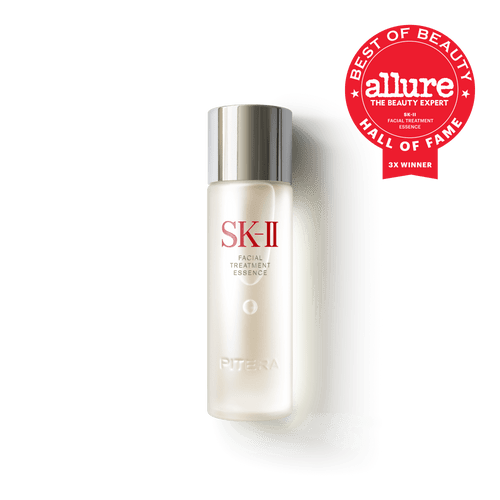
Best for: dull, aging skin where brightening and barrier repair are both priorities
The galactomyces ferment filtrate concentration in this product is genuinely higher than that of most competitors. Learn more about this process in this blog and also know that hydrating toners for aging skin are essential.
This is not a marketing claim: the ferment appears as the second ingredient after water, meaning the concentration is clinically meaningful.
Results on dull, aging skin are consistently visible within three to four weeks of daily use.
The price point is significant. In my clinical experience, it earns that price point for the specific concerns of brightening and barrier support in mature skin.
It does not address deep lines or loss of firmness in the way a dedicated peptide serum would.
Key ingredients: Galactomyces ferment filtrate (90%+), niacinamide
COSRX Advanced Snail 96 Mucin Power Essence
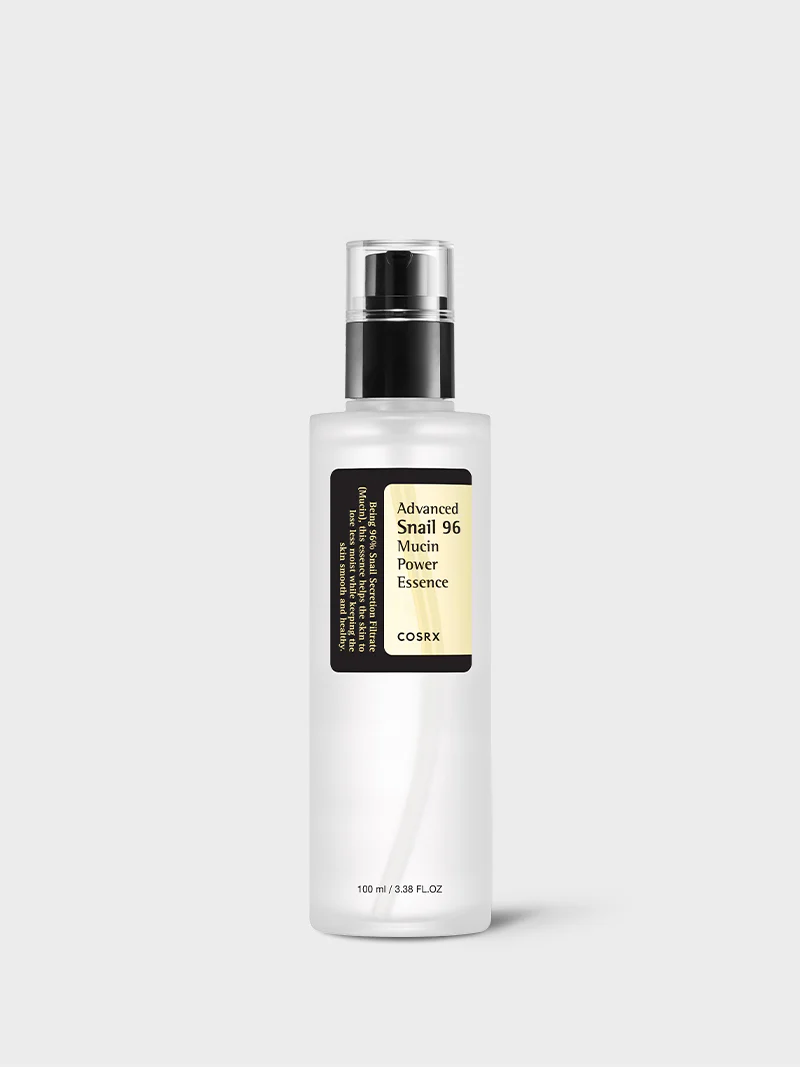
Best for: aging skin with dryness, early wrinkling, and slow barrier recovery
Snail secretion filtrate at 96 percent concentration.
The combination of hyaluronic acid naturally present in the filtrate, trace glycolic acid for gentle cell turnover, and glycoproteins that support collagen synthesis makes this one of the most multifunctional options for aging skin.
Absorbs more slowly than a watery toner due to the viscosity of the filtrate, press it in rather than spreading, and give it 30 seconds before applying your next product.
Key ingredients: Snail secretion filtrate (96%), sodium hyaluronate
IOPE Bio Essence Intensive Conditioning
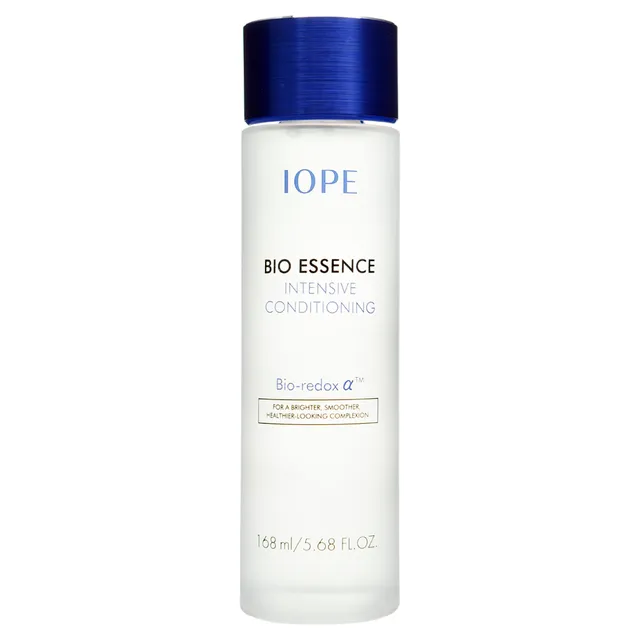
Best for: aging skin with visible loss of firmness and elasticity
Bifida ferment lysate is the primary active, alongside adenosine, a Korean regulatory-approved anti-wrinkle ingredient with research support for reducing the appearance of fine lines.
For clients whose primary aging concern is loss of firmness rather than dullness, this is the Korean toner I reach for first.
The bifida ferment supports the microbiome and barrier simultaneously, making it effective for aging skin that is also sensitive or reactive.
Key ingredients: Bifida ferment lysate, adenosine, panthenol
I’m From Rice Toner
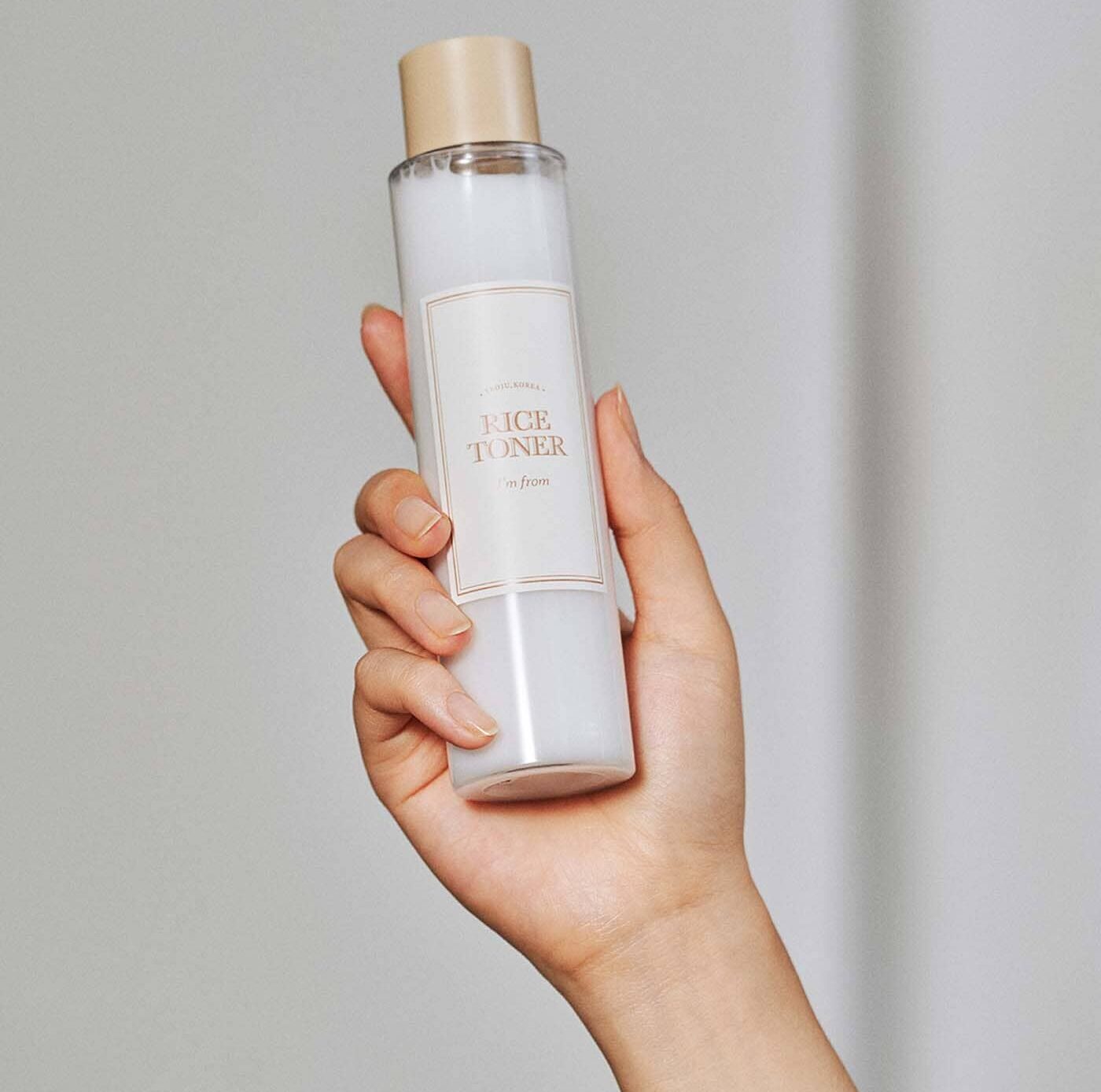
Best for: aging skin with dullness and uneven skin tone
Formulated with 77.78 percent Goami rice extract, which delivers ferulic acid, allantoin, and nourishing amino acids directly to the skin surface.
The brightening effect on dull, aging skin is gentle and cumulative rather than immediate. Consistent use over four to six weeks produces the most noticeable improvement. Suitable for sensitive skin due to the absence of irritating actives.
Key ingredients: Goami rice extract (77.78%), niacinamide, glycerin
For oily and acne-prone skin
Anua Heartleaf 77% Soothing Toner
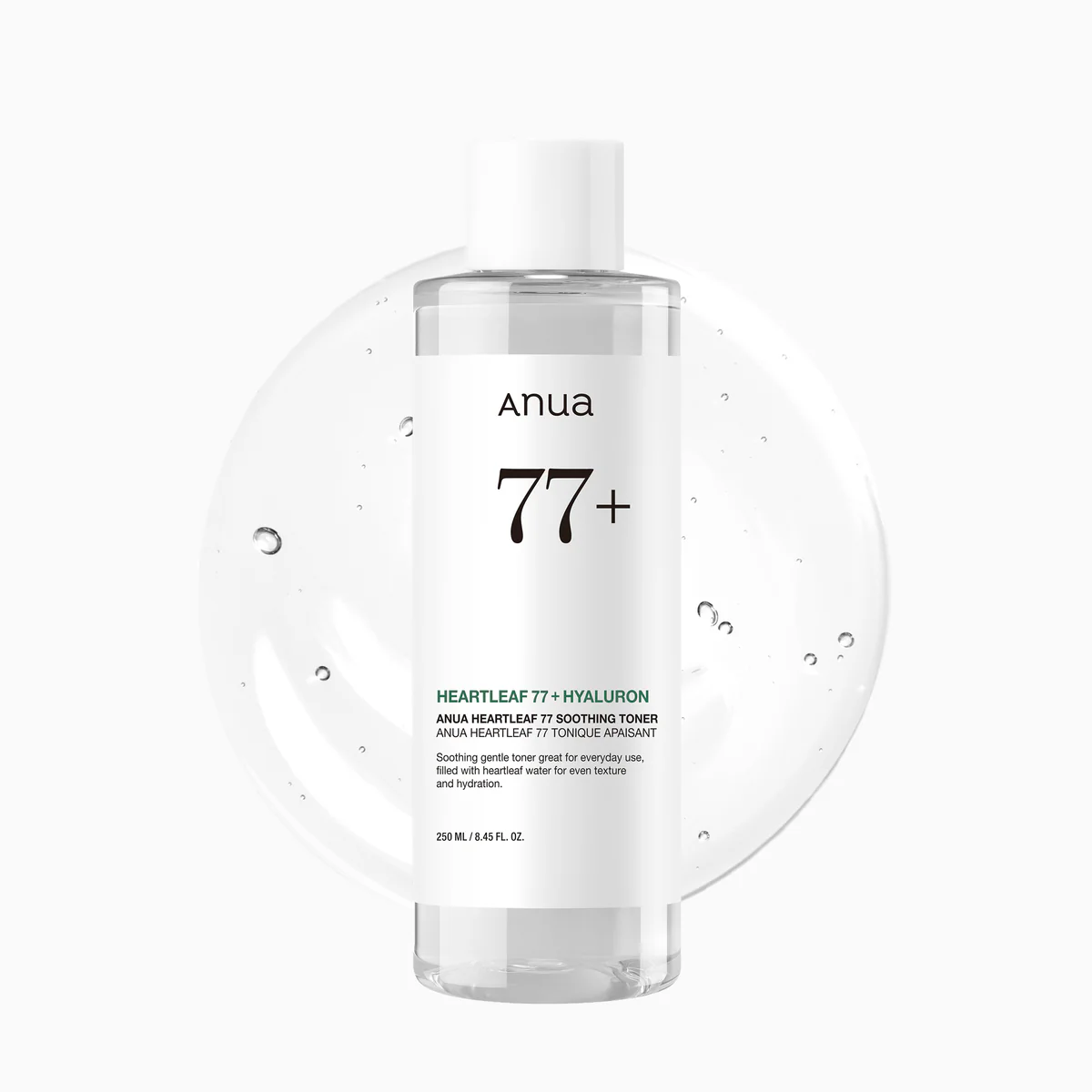
Best for: oily skin with active inflammation or sensitivity
77 percent Houttuynia cordata (heartleaf) extract, a mildly acidic pH formula with measurable anti-inflammatory and antibacterial properties.
One of the most-searched Korean toners globally and one of the few viral products I can honestly say lives up to its reputation in a clinical context.
It calms active inflammation, regulates the skin’s oil and moisture balance, and does not feel heavy or occlusive on oily skin. Eleven additional food-grade ingredients round out the formula with no fragrance and no alcohol.
Key ingredients: Heartleaf extract (77%), glycerin, panthenol, centella asiatica
COSRX AHA/BHA Clarifying Treatment Toner
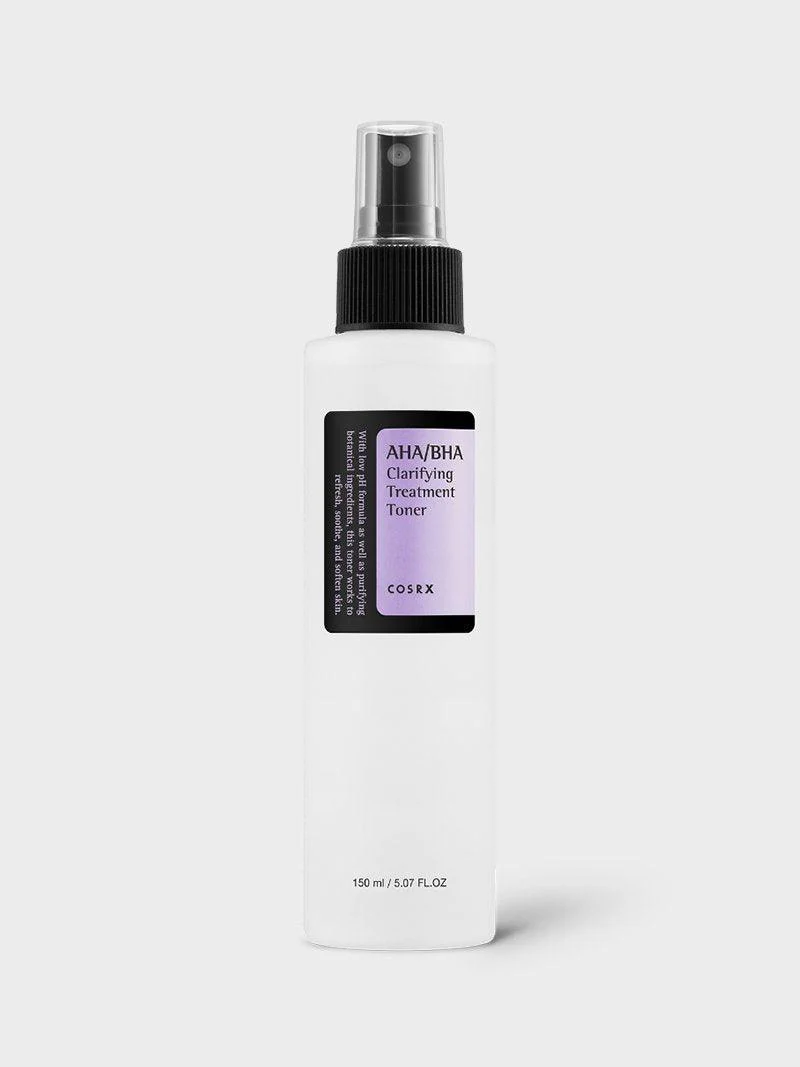
Best for: oily and congested skin, 2 to 3 times per week
Uses 10 percent apple fruit water (AHA source) and 10 percent willow bark water (BHA source), both from natural sources, at concentrations gentle enough for regular use on most acne-prone skin types.
Not a high-strength exfoliator but a consistent, low-level maintenance product that keeps pores clear without the aggression of higher-dose acid toners.
Apply on a cotton pad rather than with your hands for more even distribution across the face.
Key ingredients: Apple fruit water (AHA), willow bark water (BHA), mineral water
Beauty of Joseon Calming Toner: Green Tea and Panthenol
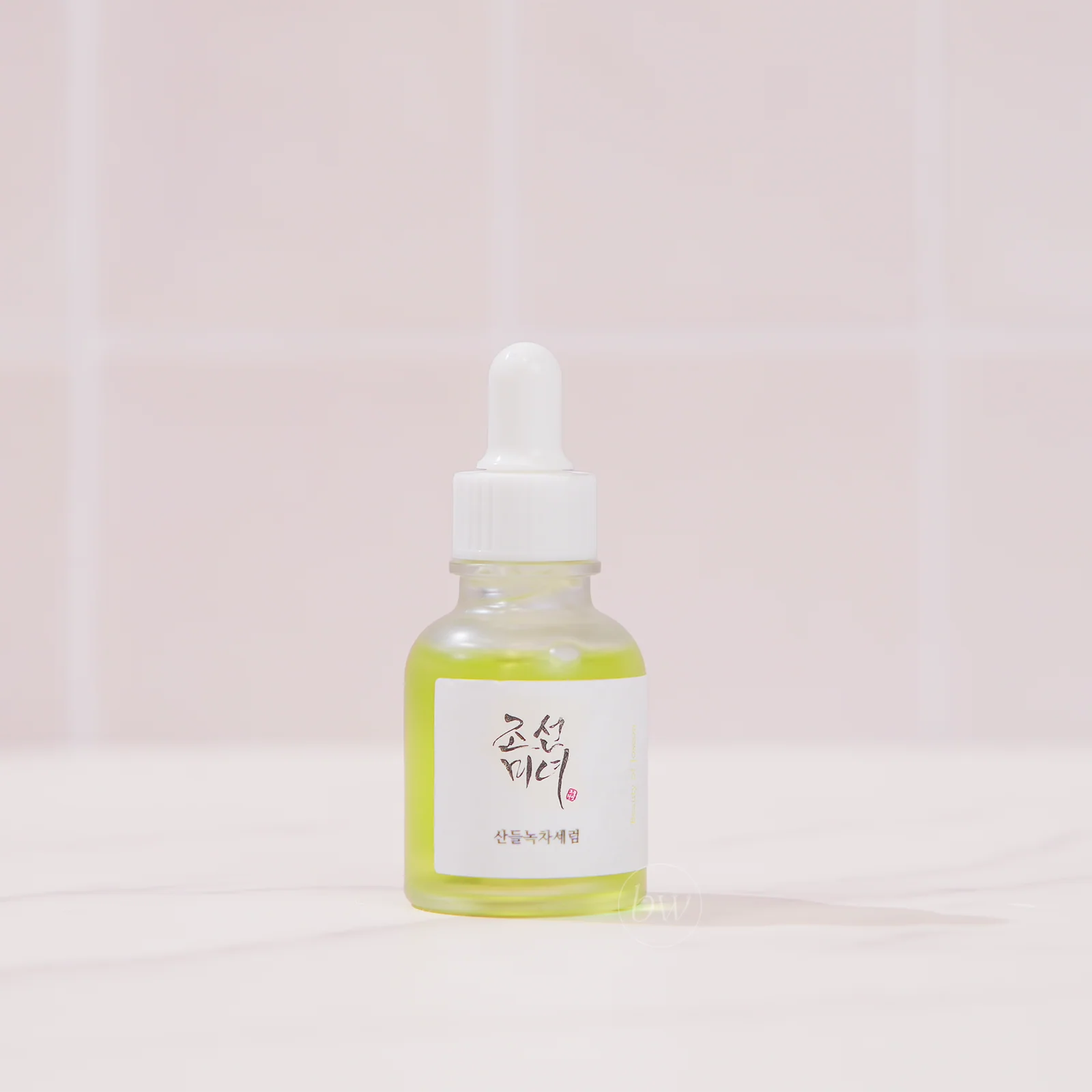
Best for: oily skin prone to redness and irritation
Green tea is the primary active ingredient alongside panthenol for soothing and barrier support.
Lightweight texture that controls excess oil without stripping.
Particularly useful for skin that is oily in the T-zone but reactive or sensitised around the cheeks and jawline, it hydrates without congesting and calms without alcohol-based astringents.
Key ingredients: Green tea extract, panthenol, glycerin, sodium hyaluronate
For sensitive skin and compromised barriers
SKIN1004 Madagascar Centella Toning Toner
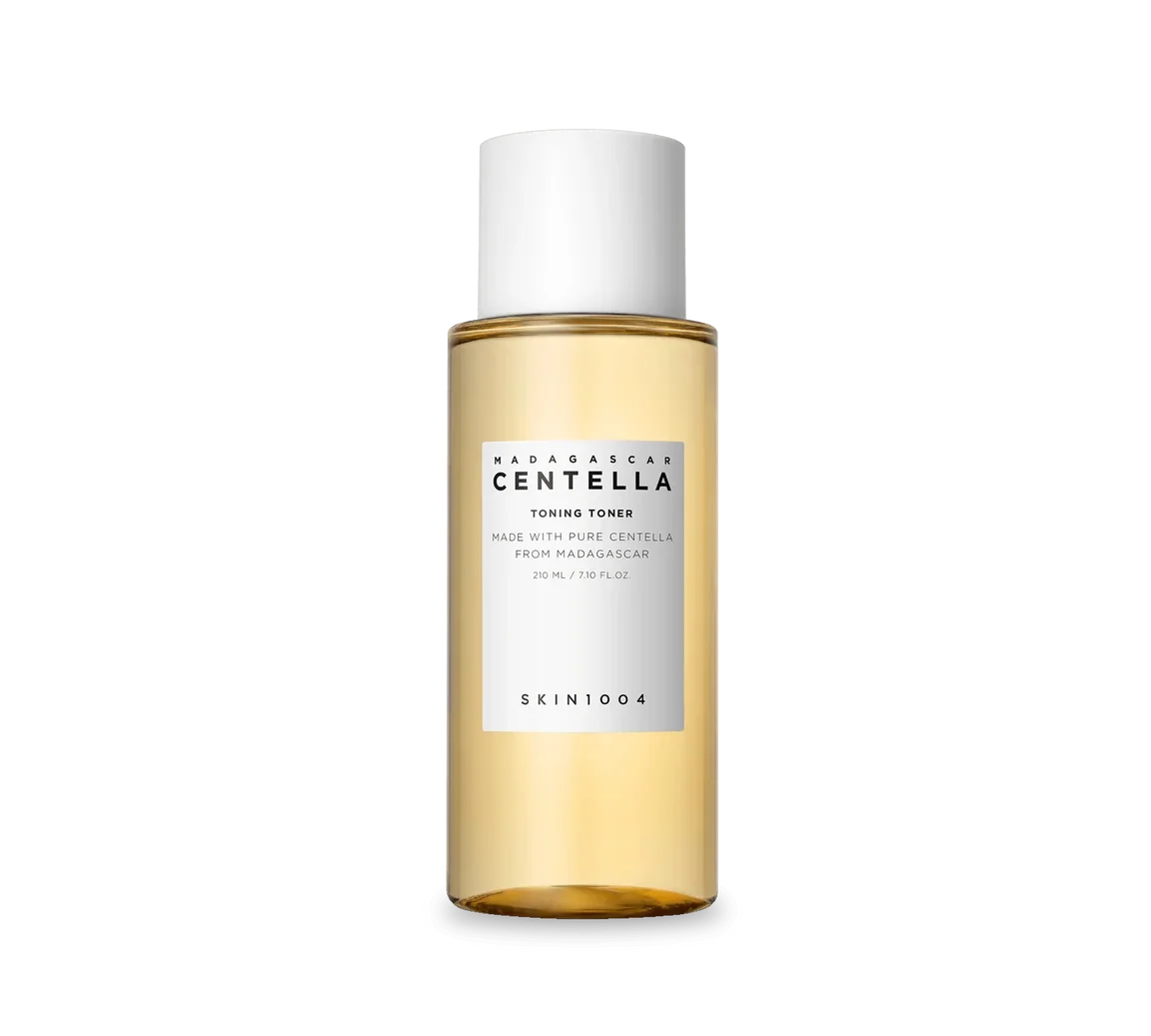
Best for: severely sensitised, rosacea-prone, or post-treatment skin
Centella asiatica water is the base at 78 percent concentration.
This is the product I recommend most frequently to clients coming out of treatments, such as laser, chemical peels, and microneedling.
The centella water base is gentle enough for compromised skin while actively supporting recovery. Fragrance-free, alcohol-free, and formulated with minimal additional ingredients to reduce any possible irritant exposure.
Key ingredients: Centella asiatica water (78%), madecassoside, sodium hyaluronate
Round Lab Birch Juice Moisturizing Toner
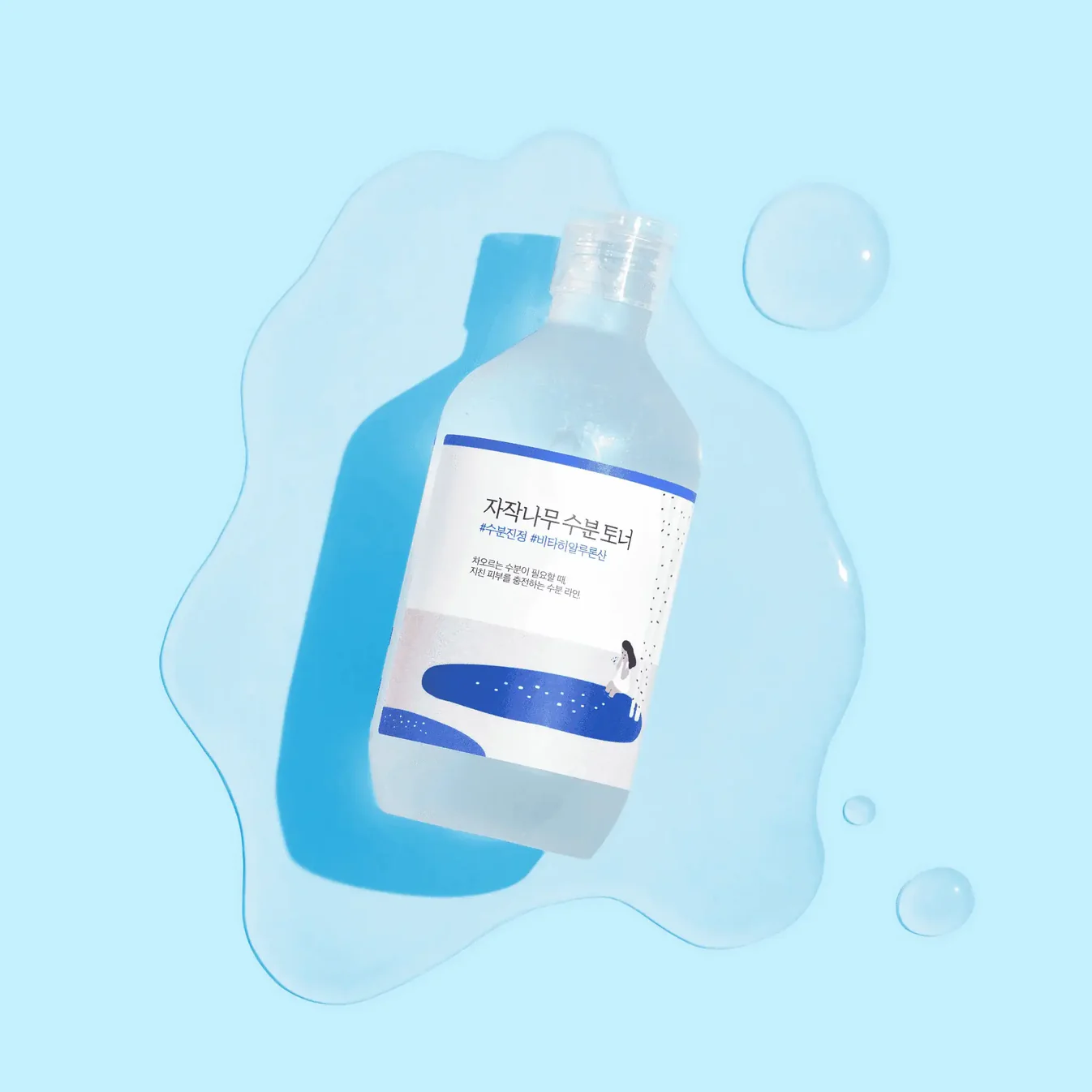
Best for: fragrance-free barrier repair on sensitive skin
Birch sap is the aqueous base, combined with ceramides and panthenol for barrier repair.
Fragrance-free and alcohol-free. The birch sap provides a lightweight but meaningful hydration platform that does not feel like plain water.
The ceramide content is what makes this more than a simple hydrating toner; it begins actively repairing the lipid structure of a compromised barrier from the very first step of the routine.
Key ingredients: Birch sap, ceramide NP, panthenol, allantoin
Etude House SoonJung pH 5.5 Relief Toner
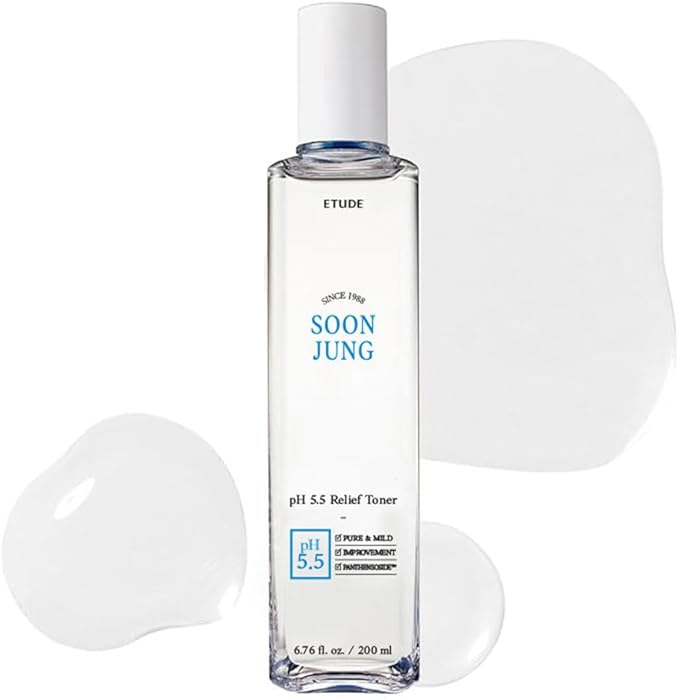
Best for: reactive and eczema-prone skin needing the gentlest possible option
Formulated at exactly pH 5.5 to match the skin’s natural acidity. Panthenol and madecassoside (from centella asiatica) are the primary actives.
The formula is deliberately simple, fragrance-free, and dermatologist-tested for sensitive skin.
For clients with eczema-prone or chronically reactive skin, this is the safest starting point before introducing any other K-beauty product.
Key ingredients: Panthenol, madecassoside, glycerin, beta-glucan
For dullness and uneven skin tone
Beauty of Joseon Glow Replenishing Rice Milk
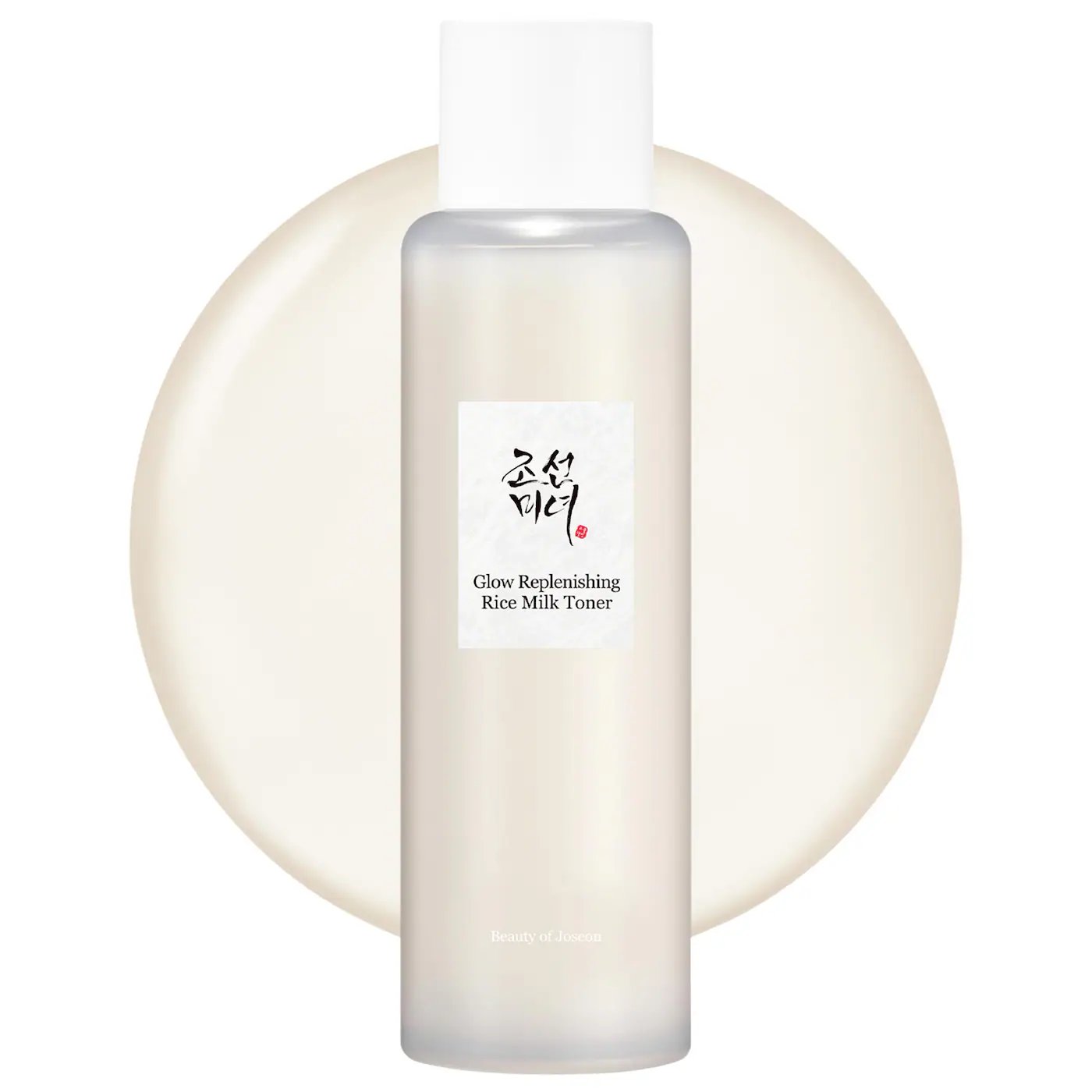
Best for: dull skin wanting brightening and hydration without actives
Inspired by the traditional Korean practice of using rice bran water (migamsu) for skin radiance.
Rice-derived amino acids and rice extract deliver gentle brightening alongside hydration.
The milky toner is more substantial than a standard watery toner, making it suitable for skin that needs both brightening and comfort.
A visible glow improvement over two to four weeks of consistent use.
Key ingredients: Rice extract, rice-derived amino acids, niacinamide, glycerin
Some By Mi AHA BHA PHA 30 Days Miracle Toner
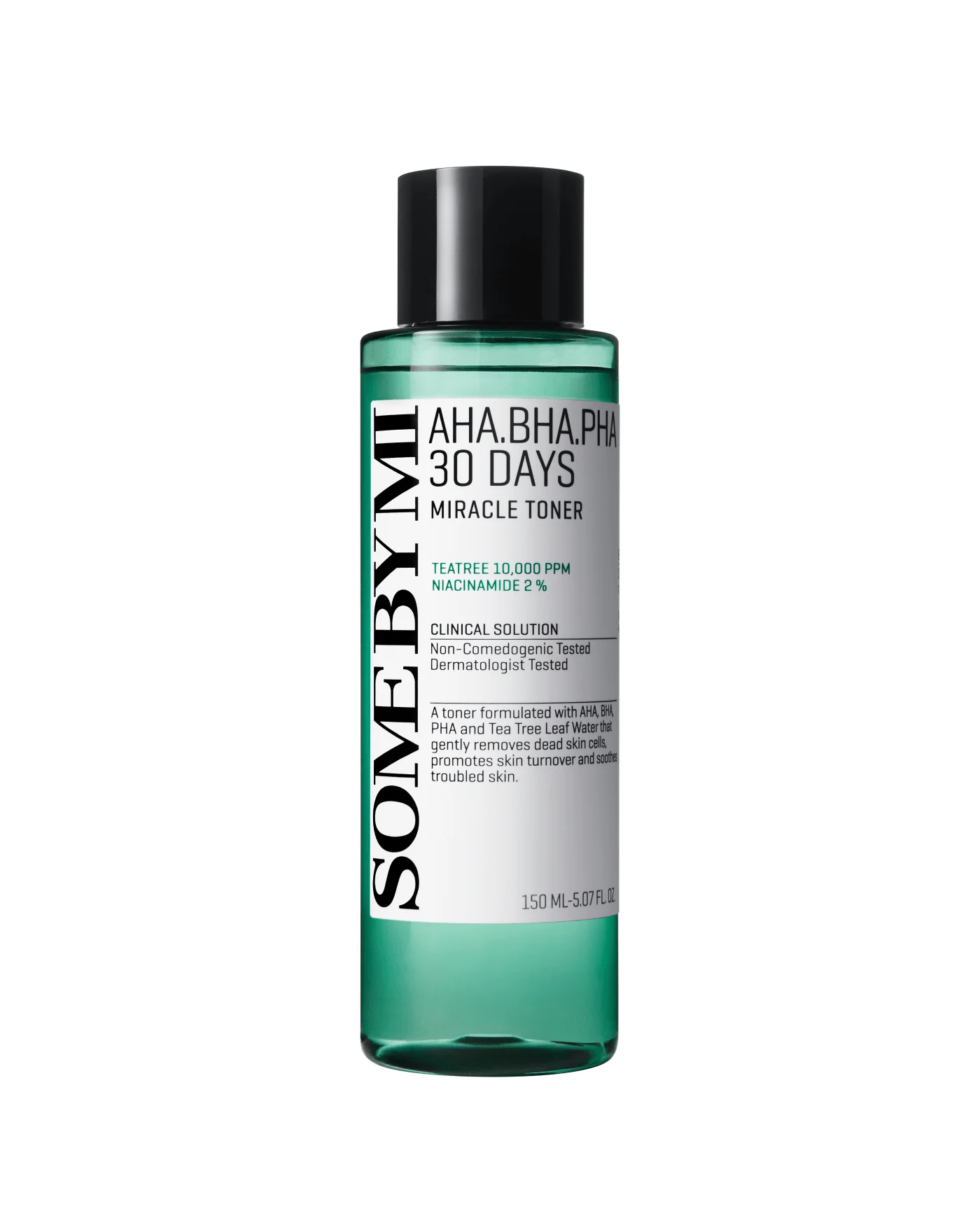
Best for: dull and textured skin, 2 to 3 times per week
Combines AHA, BHA, and PHA with niacinamide and tea tree for a comprehensive resurfacing and brightening toner.
Not appropriate for daily use on dry or sensitive skin, but as a two to three times per week treatment toner for dull, textured skin prone to mild congestion, it delivers consistent improvement in surface clarity.
The 30-day framing in the name reflects the timeline to visible brightening results, which is an honest representation of how long it typically takes.
Key ingredients: AHA, BHA, PHA, niacinamide, tea tree extract
How to Apply a Korean Toner Correctly
Patting versus wiping
Most of us learned to apply toner on a cotton pad and wipe across the face.
For hydrating Korean toners, this is the wrong approach. A cotton pad absorbs a significant amount of product before it reaches your skin. Wiping creates friction that can irritate dry or sensitised skin.
The correct technique: dispense a few drops or a small pool into clean palms, press your hands together to warm the product slightly, then press and pat it gently across your face. The warmth from your hands helps the product absorb.
You lose nothing to the cotton, and your skin receives the full dose. Wiping with a cotton pad is appropriate for exfoliating toners where you want the physical removal of surface cells. For hydrating Korean toners, always use your hands.
Apply to slightly damp skin
Apply your Korean toner immediately after patting your face dry, while your skin is still very slightly damp.
The residual moisture from cleansing gives the toner’s humectants a source of water to bind to at the skin surface.
On completely dry skin in a low-humidity environment, humectants like hyaluronic acid can draw moisture from deeper skin layers, which counteracts their purpose. Move from cleanser to toner within 30 to 60 seconds of patting dry.
The 7-skin method: what it is and who it is actually for
The 7-skin method involves applying the same lightweight toner seven times in succession, building up layers of hydration before moving to the rest of the routine.
Each layer of a humectant-rich toner acts as a scaffold for the next, and the cumulative effect delivers significantly more hydration than a single application.
Who benefits most: severely dehydrated skin, skin in dry or air-conditioned environments, skin recovering from a compromised barrier, and skin that feels tight after cleansing, even after a single toner application.
In practice, two to three layers achieve the benefit for most skin types without unnecessary product use or time. Apply each layer and allow 20 to 30 seconds of absorption before adding the next. Stop when skin feels plump and slightly tacky.
This technique applies only to purely hydrating toners – never layer an exfoliating toner this way.
The combination skin two-toner approach
Combination skin genuinely benefits from a two-toner approach in the evening. Apply a very lightweight watery skin toner across the entire face first to deliver baseline hydration.
Follow with a slightly richer essence-style toner concentrated on drier areas, typically cheeks, around the eyes, and forehead.
This allows you to deliver different hydration levels to different zones without overloading the T-zone or underserving the drier areas.
Building a Routine Around Your Korean Toner
Morning sequence
- Gentle cleanser. Remove overnight sebum without stripping the barrier.
- Korean hydrating toner. Apply to slightly damp skin. Restore pH and lay the first hydration layer.
- Vitamin C or antioxidant serum. Apply while skin is still faintly damp. The pH-corrected surface improves vitamin C absorption and activity.
- Moisturiser. Seal the layers beneath and reinforce the barrier for the day.
- SPF 30 or higher. Always the final morning step. Nothing goes over SPF.
Evening sequence
- Oil or balm cleanser. Remove SPF, makeup, and pollution particles.
- Water-based gentle cleanser. Second cleanse for a truly clean surface.
- Korean toner (one to three layers). Rehydrate after double cleansing. On retinol nights, a generous toner layer first significantly reduces irritation risk without reducing efficacy.
- Treatment serum. Retinol, peptides, niacinamide, or targeted actives are applied to a prepared surface.
- Richer moisturiser or barrier cream. Seal and support overnight recovery.
- Facial oil (if using). Always last in the evening. Oil over everything else locks in moisture and slows evaporation overnight.
How to Read a Korean Toner Ingredient List
Ingredients in any cosmetic formula are listed in descending order by concentration. The first five to seven ingredients typically make up the bulk of the formula by weight.
For hydrating Korean toners, the ideal first five ingredients look something like: water, glycerin, sodium hyaluronate, centella asiatica extract, and panthenol.
For ferment-rich options: galactomyces ferment filtrate, water, glycerin, niacinamide, sodium hyaluronate. Any variation of this pattern signals a product built around function rather than marketing.
Red flag ingredients for dry and sensitive skin
- Alcohol denat or ethanol in the first five ingredients – meaningful drying concentration.
- Parfum (fragrance) anywhere on the list – common sensitiser with no functional benefit.
- Menthol or camphor – disguise irritation as refreshment.
- Sodium lauryl sulfate – highly irritating, destroys the barrier you are trying to support.
Korean cosmetic products sold internationally list ingredients in INCI format (International Nomenclature of Cosmetic Ingredients), the same Latin-derived names used on any global product.
You do not need to read Korean to evaluate a Korean toner’s ingredient list. When shopping on Korean platforms, search the product name followed by “ingredient list” or “INCI list.”
Websites like CosDNA and COSDEX allow you to paste an ingredient list and see a breakdown of potential irritants and actives.
Where to Buy Authentic Korean Toners
The growth of Korean beauty globally has attracted counterfeit products, particularly of high-demand items like SK-II, COSRX, and Laneige. To protect yourself:
- Olive Young Global: South Korea’s largest beauty retailer, ships internationally, and sells exclusively authenticated products
- YesStyle: Large selection with verified seller status for most K-beauty items
- Jolse: Korean-based retailer with a solid reputation and good stock rotation
- Brand-direct international websites: COSRX, Klairs, and Innisfree now ship internationally through their own platforms
- Sephora and ULTA (US): Carry a curated, authenticated selection of Korean brands
Approach Amazon with caution. While official brand stores on Amazon are generally reliable, third-party sellers on the platform have a documented history of selling expired or counterfeit Korean skincare.
Verify any purchase using checkcosmetic.net to confirm the batch code falls within an appropriate manufacturing timeframe.
Budget versus investment: where to spend more and where to save
| Worth investing more in | Performs well at budget price points |
|---|---|
| Ferment-heavy essences (galactomyces, bifida) – concentration justifies the cost | Pure humectant toners (glycerin, HA from COSRX, Pyunkang Yul) deliver clinical-quality hydration affordably |
| Brands with visible R&D investment (SK-II, Sulwhasoo, IOPE, Amore Pacific) | Centella asiatica soothing toners – the ingredient is affordable, high-concentration budget formulas can outperform expensive low-concentration ones |
| Toners targeting specific aging or barrier-repair concerns where active ingredient concentration matters | First-time K-beauty toners, where you are still learning what your skin responds to |
Common Mistakes Robin Sees When Clients Switch to Korean Toners
Buying the most popular product instead of the right-for-your-skin product
SK-II Facial Treatment Essence is genuinely excellent for aging and dull skin. It does very little for someone whose primary concern is active acne and oiliness.
The most popular Korean toner on any platform reflects marketing reach, not universal efficacy.
The ingredient list of a product should match your skin’s specific needs, regardless of how many five-star reviews it has.
Using too much product in a single application
Korean toners are typically used in small amounts: two to five millilitres per application, pressed in gently.
One heavy application does not multiply the benefit; it saturates the skin surface, delays absorption of subsequent products, and depletes the bottle faster.
Multiple thin layers achieve a cumulative effect more efficiently.
Layering a Korean toner over a stripping Western cleanser
A beautifully formulated Korean toner applied after a harsh, high-pH, SLS-heavy foam cleanser is triaging damage rather than building on a stable foundation.
The two products work against each other. Switching to a gentle, pH-appropriate cleanser is often as important as choosing the right toner.
Abandoning the product after one week
Ferment-based toners typically show their most significant results after four to six weeks of consistent use.
They are supporting the skin’s own processes – barrier function, microbiome balance, and collagen synthesis, rather than delivering an immediate cosmetic effect.
If you expect the instant plump of a sheet mask, ferment toners will disappoint in week one. Give them six weeks.
The cumulative improvement in texture, tone, and resilience is genuinely meaningful.
Assuming natural or herbal Korean formulas are always safe for sensitive skin
Botanical extracts contain multiple chemical compounds, some of which can trigger reactions in sensitive or allergy-prone skin.
“Natural” is not a synonym for gentle or safe.
Patch test every new Korean toner: 48 to 72 hours on a small area behind the ear or on the inner forearm before applying to the full face.
Frequently Asked Questions
Do Korean toners contain alcohol? Is that a problem?
Some do. Fatty alcohols like cetyl alcohol and cetearyl alcohol are conditioning ingredients that do not disrupt the skin barrier.
Denatured alcohol (alcohol denat) and ethanol in significant concentrations are the ones to avoid for dry and sensitive skin.
Look for “alcohol denat” or “ethanol” specifically in the ingredient list, if they appear in the first five ingredients, it is a meaningful concentration and a different product is a better choice.
Can I use a Korean toner if I have never used skincare before?
A Korean hydrating toner is an ideal entry point.
It sits in a simple three-step routine alongside a gentle cleanser and a moisturiser, and it teaches the skin to receive and retain hydration before any actives are introduced.
Start there, give it six weeks, and build from a baseline of well-hydrated, barrier-healthy skin.
Are expensive Korean toners worth it?
Some are. SK-II’s galactomyces concentration is genuinely higher than most competitors, and the research behind it is substantial.
Some are not worth the premium – high price in Korean beauty does not always correlate with ingredient quality.
The best guide is the ingredient list: if the active ingredients you are paying for appear in the first five positions, you are likely paying for concentration and quality.
If they appear near the end of a long list, you are paying for brand equity.
How long does it take to see results?
For immediate hydration improvement, you will feel a difference within the first few applications.
For textural improvements and barrier strengthening, allow four to six weeks of consistent daily use.
For ferment-based anti-aging benefits, the timeline extends to eight to twelve weeks. Skincare works on the skin’s natural renewal cycle, which runs approximately 28 days for younger skin and slows with age.
Can I mix Korean toners with Western skincare brands?
Yes. Your routine does not need to be exclusively Korean to benefit from Korean formulation philosophy.
Mix based on ingredient compatibility and product texture, not brand origin.
A Korean centella asiatica toner followed by a Western retinol serum and a European ceramide moisturiser is a perfectly rational and effective routine.
What is the difference between a Japanese toner and a Korean toner?
Japanese skincare calls its hydrating toners “lotions,” which creates confusion for Western consumers who expect a lotion to be cream-like.
Both share a hydration-first philosophy but differ in formulation culture. Japanese formulations tend toward minimalism: fewer ingredients, simpler textures, emphasis on purity.
Korean formulations tend toward layered complexity: more active ingredients, fermented components, and functional diversity in a single product. Both approaches work.
Are Korean toners safe during pregnancy?
Many are. Avoid toners containing retinoids, high-concentration salicylic acid, and essential oils during pregnancy.
Hydrating toners built around hyaluronic acid, glycerin, centella asiatica, ceramides, and gentle botanicals are generally considered safe.
Always confirm with your healthcare provider before adding new products during pregnancy.
How long does a Korean toner last once opened?
Most Korean toners have a shelf life of 12 to 24 months unopened.
Once opened, use within 6 to 12 months for best efficacy. Store in a cool, dry place away from direct sunlight and always close the cap tightly.
Some ferment-based products benefit from refrigeration after opening to preserve the activity of the fermented ingredients.
Are Korean toners cruelty-free?
South Korea banned animal testing for cosmetics in 2017, making domestically sold Korean cosmetics cruelty-free by regulation.
Products exported to markets that require animal testing may be tested as part of those market requirements.
For global cruelty-free certification, look for Leaping Bunny or PETA certification on the brand’s website. Klairs, COSRX, and Beauty of Joseon maintain a cruelty-free status across all markets.
Vegan certification is separate from snail filtrate and animal-derived ferments, which disqualify many Korean products from vegan status, even when they are cruelty-free.
Final Word From Robin
Korean skincare changed how I practice esthetics. Before I encountered it clinically, I was working within a framework that prioritised correction: clients came in with problems, I addressed those problems with targeted treatments, and we measured success by how much we had reduced the visible concern.
This worked, but it had a ceiling.
The clients whose skin I saw improve most consistently were the ones who addressed hydration and barrier health first.
Korean toners gave me a clinical tool for doing that at home, between appointments, in a format gentle enough to be truly daily, and effective enough to actually shift what the skin is capable of.
The best Korean toner for you is the one whose ingredient list matches your skin’s actual needs, applied in a sequence that lets it do its job, used consistently long enough to see what your skin looks like when it is properly supported.
That is a bar worth clearing.