
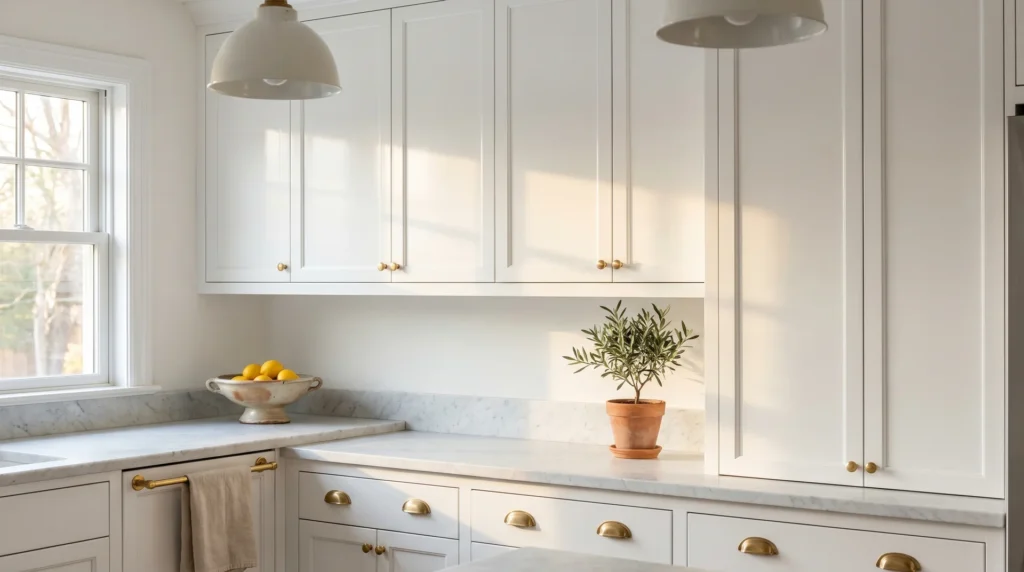
If you’ve spent any time researching cabinet paint or asked a painter what they use for trim and doors, you’ve heard the word urethane. It sounds technical, maybe industrial. You’re not sure if it’s genuinely different from regular paint or if it’s marketing language dressed up to justify a higher price tag.
It’s genuinely different. Urethane paint is a harder-curing, more durable finish than standard latex or acrylic, and for specific surfaces in your home, it’s the better product. Understanding why takes about five minutes. Once you do, the decision about whether to use it gets straightforward.
This article covers residential and consumer-grade urethane paint products. For solvent-based and 2-component systems used in automotive or industrial applications, always follow the manufacturer’s safety instructions and consult a professional if you’re unsure about safe application conditions. |
What is Urethane Paint?
Urethane paint is paint that uses polyurethane resin as its binder, the ingredient that holds pigment together and bonds everything to your surface. Most standard paints use acrylic or vinyl-acrylic as the binder. Urethane uses polyurethane, which cures into a harder, more protective film than either of those options.
The terminology confuses a lot of people, so it’s worth clearing up quickly. Urethane and polyurethane mean the same thing on a paint label.
Manufacturers use both words, and products labeled “acrylic urethane” or “urethane-modified acrylic” blend both resin types. The distinction between the two terms on any given can is usually a branding choice.
What actually sets urethane apart is how it cures. Most paint dries as the liquid carrier evaporates. Urethane undergoes a chemical reaction that transforms the coating into a new compound on your surface, producing a film that’s harder and more resistant to wear than anything that simply dries.
The result is a finish that holds up to scuffing, moisture, repeated cleaning, and daily contact in ways that standard paint genuinely can’t match.
How Urethane Paint Compares to Other Types
The cabinet you paint with standard latex, and the cabinet you paint with urethane, will look identical on day one. Give them three years.
One will still look intentional. The other will show every sticky hand, every cleaning cloth, every impact on the interior shelf. That’s what cured urethane buys you: not a better finish on the day you paint, but a finish that holds through actual use.
Most people don’t feel the difference when they’re choosing paint. They feel it later, when one surface is still holding, and the other needs attention.
Urethane vs. Latex Paint
Standard latex uses vinyl acetate or acrylic resin as its binder. It applies easily, dries quickly, and cleans up with water.
The film it forms is relatively soft after curing, which is fine for walls, but physical contact degrades it faster than you’d want on surfaces like cabinet doors or trim.
If you’ve ever painted kitchen cabinets with leftover wall paint and watched them look tired within a year, that’s the difference you’re experiencing.
Urethane vs. Acrylic Paint
Pure acrylic is excellent at flexibility and UV resistance, which is why it’s the standard for exterior surfaces and walls that go through seasonal temperature changes.
The acrylic film expands and contracts without cracking, which is exactly what you want on wood siding or a surface exposed to the elements.
Urethane is harder and more resistant to chemicals and abrasion, but less flexible than pure acrylic. For exterior wood or surfaces that move seasonally, acrylic is the right choice. For interior surfaces that take physical wear, urethane has the clear advantage.
Acrylic-urethane blends bridge both needs and are worth considering for projects where you want durability without sacrificing flexibility entirely.
Urethane vs. Oil-Based Enamel
Oil-based enamel used to be the professional standard for trim and cabinets. The hardness it produced and the smooth glass-like finish were genuinely hard to beat.
The problems with it are real, though: it yellows over time in low-light spaces, takes a full day or longer between coats, requires solvent cleanup, and carries high VOC content.
Water-based urethane trim enamel gives you the hardness and leveled finish of oil without the yellowing, the smell, or the slow dry time.
When a professional painter today chooses urethane over oil for cabinet and trim work, it’s because the product has genuinely caught up, and in most practical ways, surpassed it.
| Paint Type | Hardness After Cure | Best Use | Cleanup | Yellows Over Time? |
|---|---|---|---|---|
| Standard Latex | Low | Walls, ceilings | Water | No |
| 100% Acrylic | Medium | Exterior, high-flex surfaces | Water | No |
| Acrylic Urethane (Hybrid) | Medium-High | Trim, cabinets, furniture | Water | No |
| Oil-Based Enamel | High | Legacy trim work | Solvent | Yes |
| Water-Based Urethane Enamel | High | Trim, cabinets, doors | Water | No |
The Two Types of Urethane Paint (And Which One Belongs in Your Home)
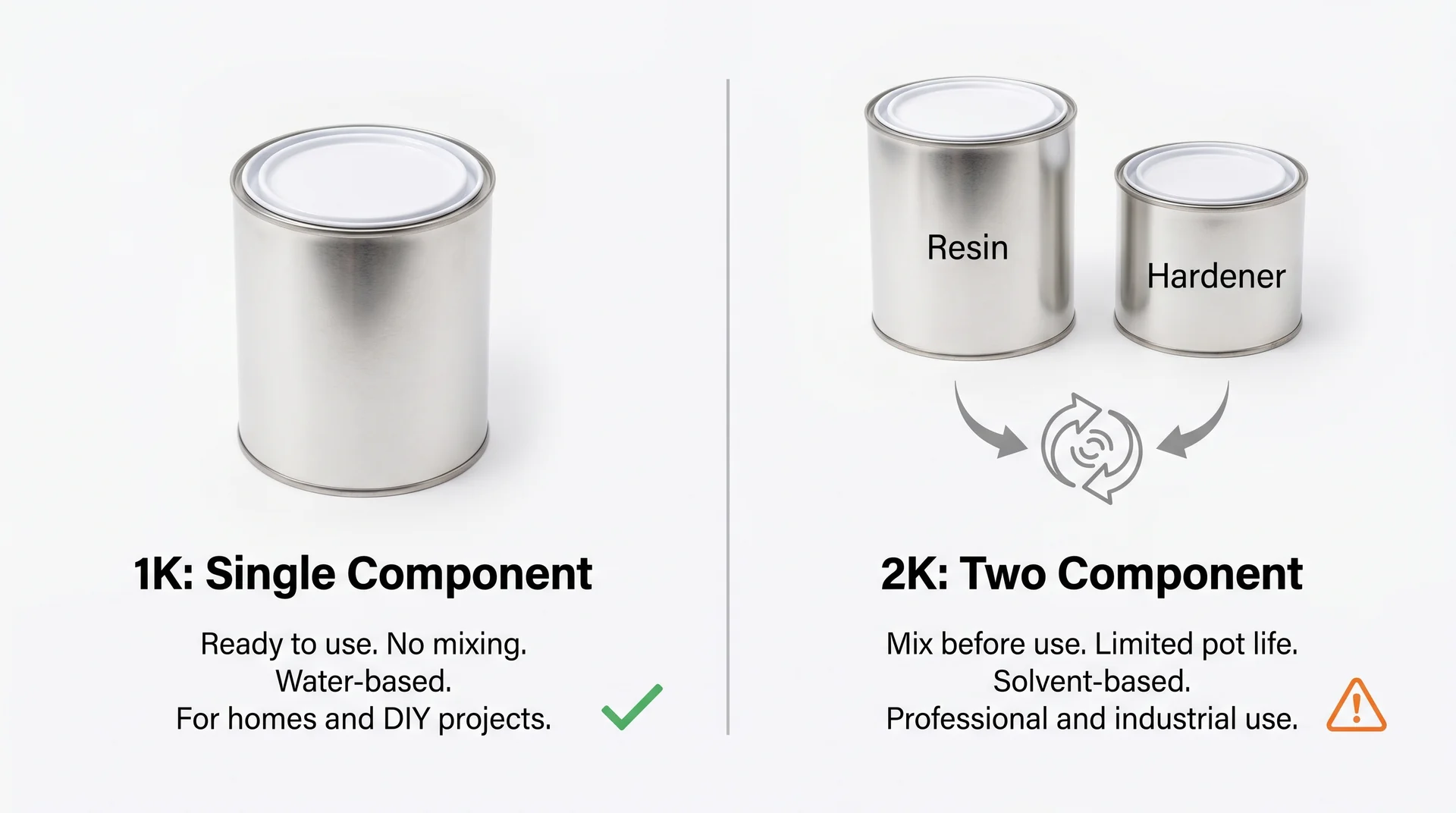
Urethane paint comes in two system types, and the distinction matters before you buy anything.
1-component (1K) urethane paint is pre-mixed and cures by reacting with moisture in the air. It requires no mixing, applies like standard paint, and is what you’ll find on the shelf at Sherwin-Williams, Benjamin Moore, and most paint retailers.
Almost every residential urethane product, including all the trim enamels covered in this article, is a 1K formula. For a home cabinet or trim project, 1K is what you want.
2-component (2K) urethane paint comes in two parts, a resin and a hardener, that you mix immediately before use. Once mixed, the pot life is limited, and the chemistry is demanding. 2K systems produce an exceptionally tough film and are standard in automotive finishing, industrial coatings, and some high-performance floor applications.
They’re not typical DIY products for residential interiors, and they require proper respiratory protection with an organic vapor respirator, along with significant ventilation. These are professional-grade products and shouldn’t be used in occupied homes without the right safety equipment and experience.
Where Urethane Paint Makes Sense in Your Home
Kitchen Cabinets

Kitchen cabinets are the highest-return application for urethane paint in a home interior. They’re touched dozens of times a day, splattered with cooking grease, hit with utensils, and cleaned constantly with whatever’s under the sink.
Standard wall paint on cabinets starts showing wear within 18 months. No amount of gentle cleaning stops the finish from eventually looking like it needs repainting, because the film itself isn’t built for that volume of contact.
Urethane cures hard enough to hold up to that use. It’s also self-leveling, which means brush strokes disappear as it dries, and you get a smooth, near-glass surface that used to require oil-based paint to achieve. I’ve specified urethane finishes on kitchen cabinets in client projects for years. The durability difference at the five-year mark is visible. A urethane-painted cabinet still looks intentional. The same space done in standard paint typically looks like it needs attention.
Interior Doors, Trim, and Baseboards
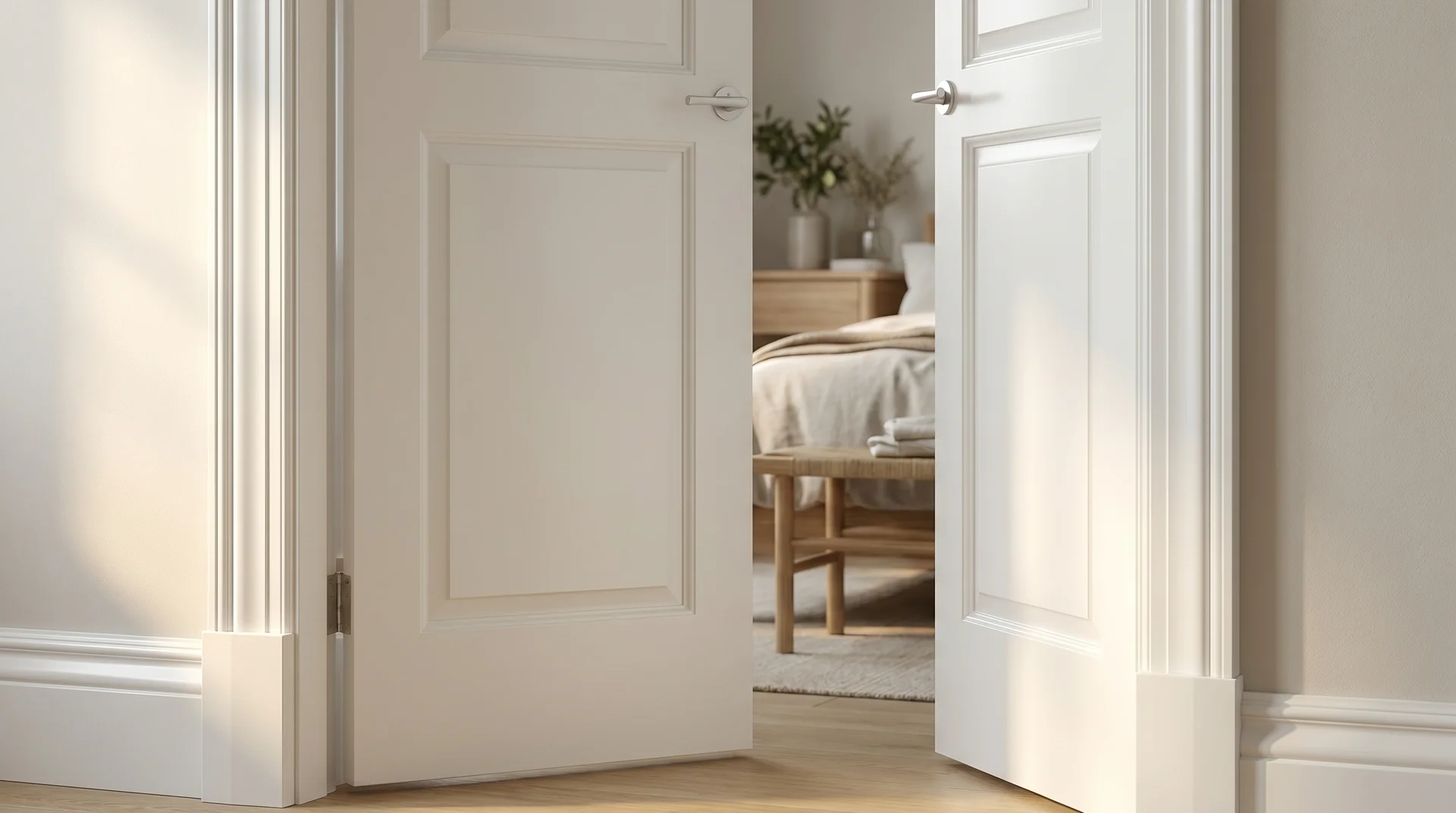
Trim fails faster than walls because it’s in constant contact with hands, feet, furniture edges, and cleaning products. Baseboards take kicks. Door frames take shoulder bumps and dirty fingers.
A soft latex finish on these surfaces shows wear quickly, and the marks are noticeable because the trim is almost always painted in a sheen that catches light.
Urethane trim enamel is what professional painters use on doors and trim because it holds up to daily contact and stays cleanable for years. It levels well enough to hide brush strokes, and the cured surface handles repeated wiping with a damp cloth without degrading.
For sheen: satin works well in modern interiors where you want a cleaner, quieter look. Semi-gloss reads more traditional, pops against the wall color, and cleans slightly easier. High-gloss shows every imperfection in the wood beneath it, so it rewards very smooth, well-prepped surfaces only.
Built-Ins, Vanities, Metal Surfaces, and High-Use Furniture
Any painted wood surface that people interact with physically benefits from urethane’s hardness. Built-in bookshelves get things slid across them. Mudroom benches take bags, shoes, and wet gear.
Bathroom vanities see daily moisture and cleaning products. Standard paint on these surfaces wears noticeably within a couple of years.
Urethane also performs well on metal surfaces like railings, furniture legs, and steel doors, where its hardness and chemical resistance give it a meaningful advantage over acrylic.
For floors, look specifically for urethane products labeled for floor use, since the abrasion resistance requirements for a floor are higher than for vertical surfaces, and a standard trim enamel isn’t formulated for that application.
Where You Don’t Need Urethane Paint
Bedroom and living room walls don’t need urethane. Standard acrylic latex is more forgiving to apply, less expensive per gallon, and performs well on surfaces that don’t experience much physical wear.
A good acrylic latex in an eggshell or satin finish is the right product for most interior walls, and upgrading to urethane doesn’t improve the result in any meaningful way.
Ceilings take flat latex. Exterior wood siding is better served by 100% acrylic, which flexes with seasonal wood movement. A rigid urethane film on a substrate that expands and contracts is more likely to crack over time than an acrylic that can move with the wood.
What to Know Before You Apply Urethane Paint
Surface Prep Comes First
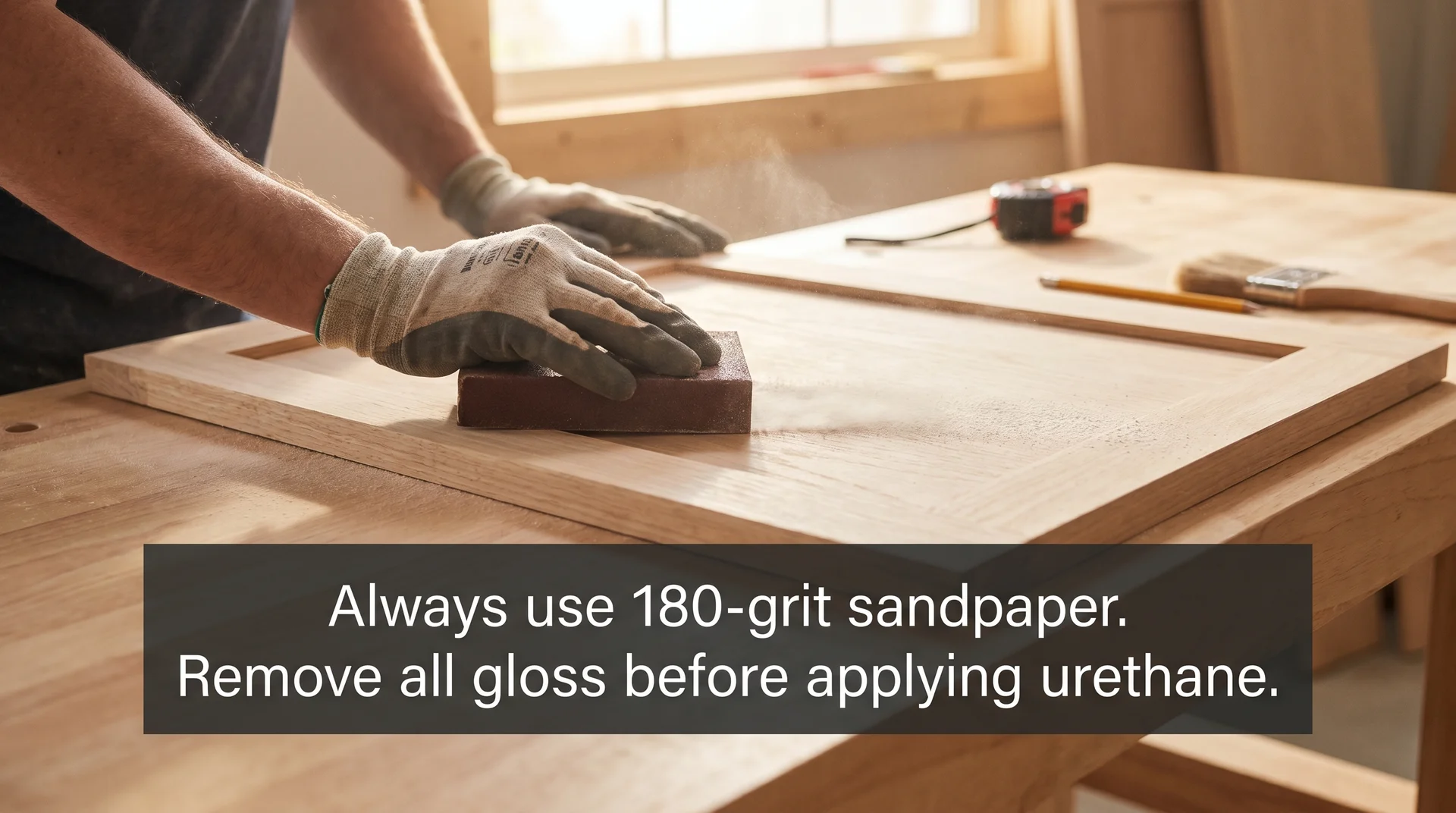
Urethane doesn’t bond well to slick or glossy surfaces without sanding first. If you’re painting over oil-based paint or an existing gloss finish, sand the entire surface with 180-grit sandpaper before applying urethane.
You’re not removing the old paint; you’re removing the gloss and giving the new finish something to grip. Any area you miss will show up later as a spot where the paint releases.
On bare wood, a coat of primer appropriate for urethane helps the first coat bond properly, though many premium urethane trim enamels are formulated to work over scuffed, clean surfaces without a separate primer.
It Dries Fast, and That Matters for DIYers
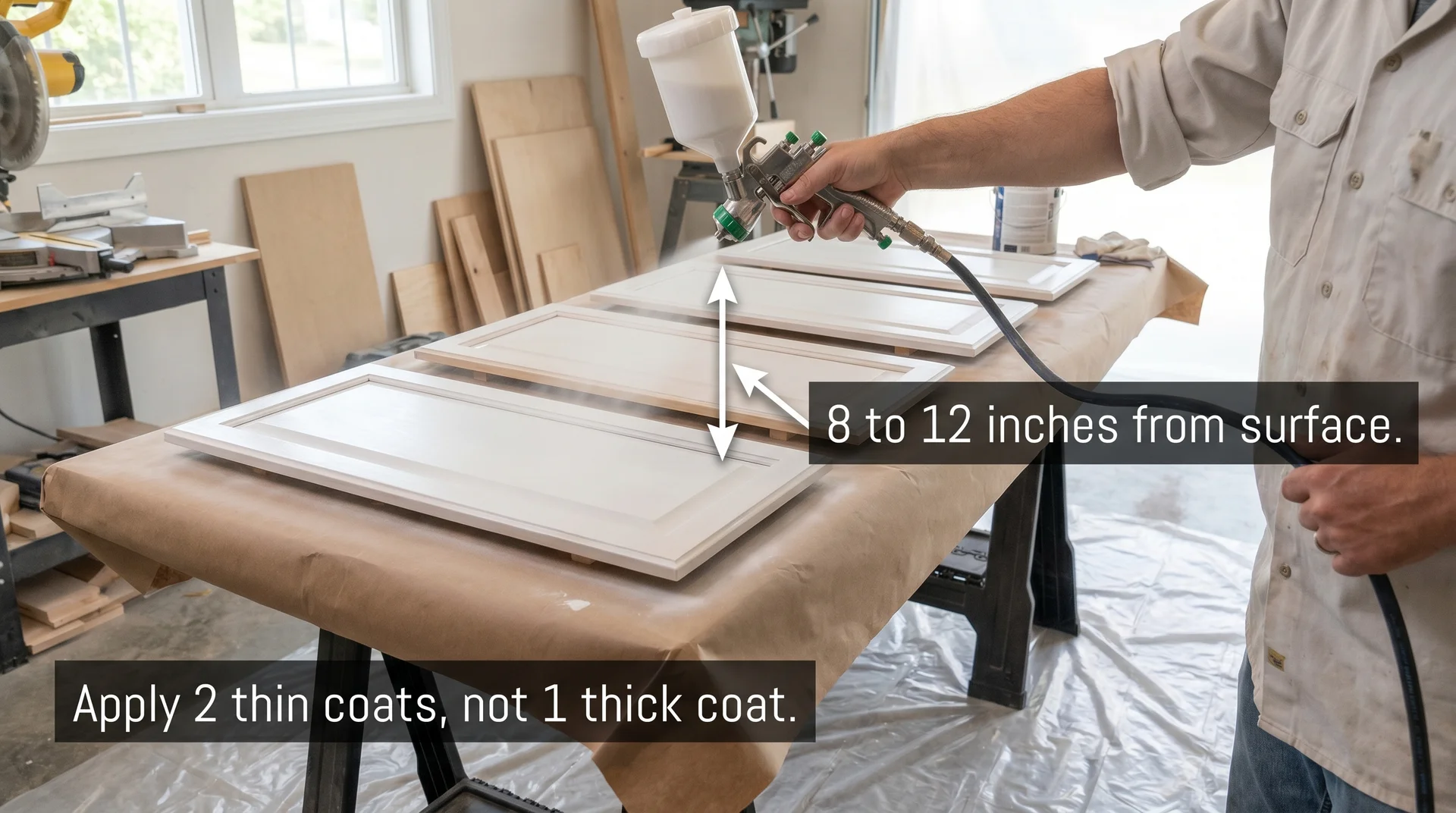
Water-based urethane trim enamels are touch-dry in roughly one hour, with a recoat window of four to six hours depending on temperature and humidity. That speed is convenient, but it creates a specific problem: if you go back over a partially dry section, you get lap marks and uneven sheen on the finished surface.
A sprayer gives the cleanest results, letting you apply thin, even coats without touching the same area twice. If you brush it, work fast, and commit to each stroke. Going back to blend a section that’s started to set will ruin the finish. A thick coat causes the same problem, so two thin coats beat one heavy coat every time.
Full Cure Takes Up to 30 Days
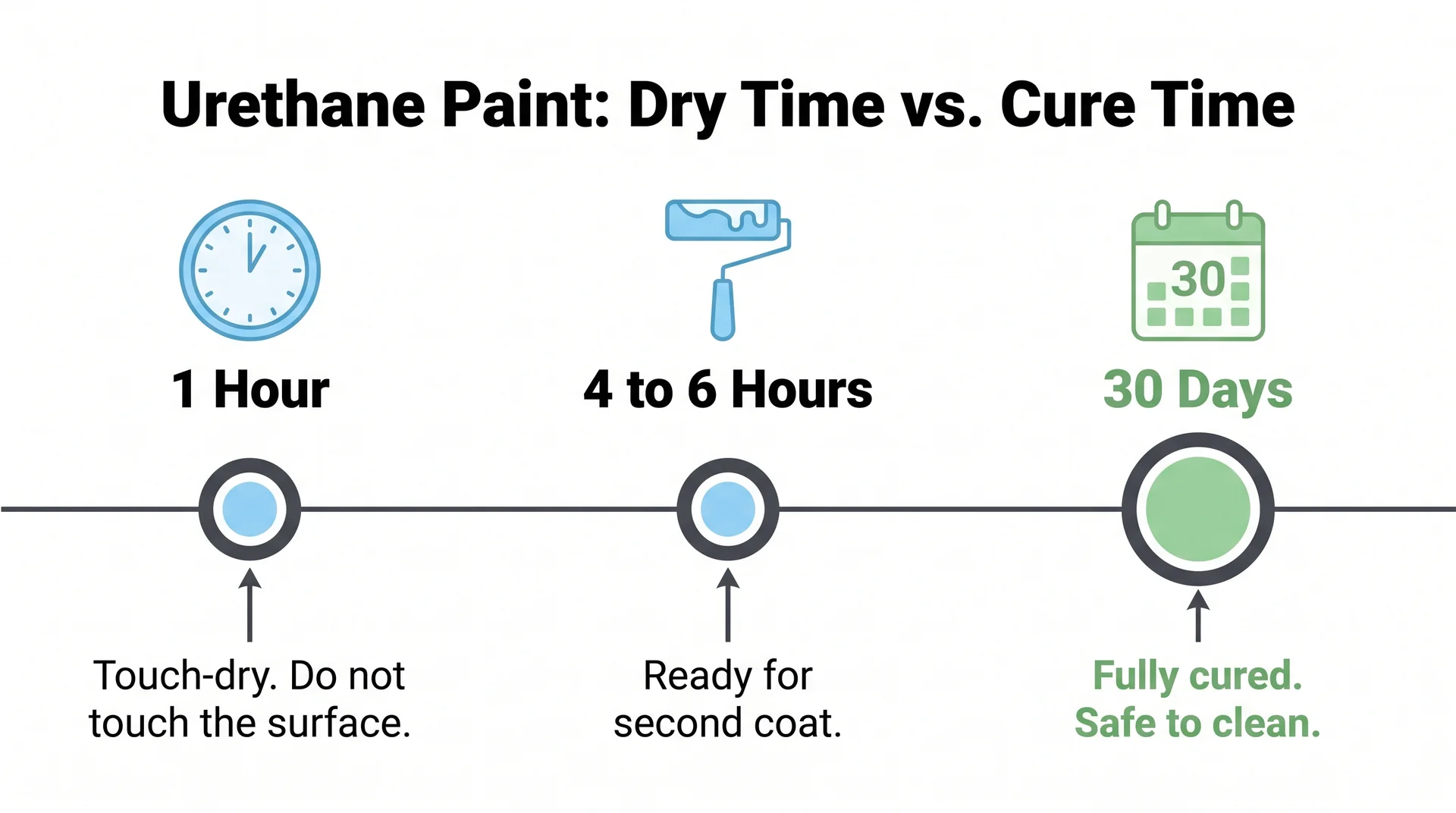
The surface feels dry in a few hours. Full chemical cure takes up to 30 days, and this is the most important practical fact about urethane paint that most people miss. During the first weeks, the film is still hardening.
Heavy contact, drawers rubbing against freshly painted cabinet faces, and cleaning the surface with anything more than a lightly damp cloth can leave marks or damage the finish.
Wait at least four weeks before cleaning painted surfaces with any cleaning product, and be gentle with doors and drawers during that window.
Is Urethane Paint Waterproof?
Urethane paint is water-resistant, not waterproof. The cured film repels moisture and handles splashes, kitchen humidity, and regular cleaning without degrading. That’s why it performs well in kitchens and bathrooms.
It’s not designed for full submersion or outdoor surfaces that hold standing water. For those applications, a dedicated waterproofing or marine-grade coating is the right product.
Safety and Ventilation
Modern water-based urethane trim enamels are low-VOC and appropriate for interior use with standard ventilation. Open windows and run a fan during application and drying. The odor during application is noticeable but manageable.
Solvent-based and 2-component urethane systems require an organic vapor respirator, substantial ventilation, and should not be used in occupied homes without the right safety setup.
If you’re ever unsure whether the product you’re using is a water-based or solvent-based formula, read the cleanup instructions on the label: water cleanup means water-based; solvent cleanup means you need proper protective equipment.
Urethane Paint Products Worth Knowing
Sherwin-Williams Emerald Urethane Trim Enamel is the most widely available premium option and the one I recommend most often to homeowners doing cabinets or trim for the first time.
It self-levels well, handles brush application better than most urethane products, and is available at every Sherwin-Williams location. The four-hour recoat window makes it manageable for a weekend project.
Benjamin Moore ADVANCE is a waterborne alkyd rather than a pure urethane, but it belongs in this conversation because designers and professionals reach for it constantly. The recoat time runs around 16 hours, and full hardness can take up to 30 days, but the finish quality is exceptional. If you want the smoothest possible result and patience is an option, ADVANCE delivers it.
C2 Cabinet & Trim is the least famous option with the fastest workflow of the three. Touch-dry time runs around 30 minutes, with a two-to-four-hour recoat window, which matters if you’re doing a cabinet project over a weekend. It uses PolyWhey technology and produces a genuinely beautiful oil-like finish. You’ll find it through independent paint dealers rather than big box stores.
Price range for all three: $65 to $90 per gallon. That’s more than standard paint, but on a kitchen cabinet project, the difference in longevity makes the math work. Cabinets painted in urethane hold their finish for years longer, which means fewer repaint cycles and less disruption to your kitchen.
Quick Decision Guide: Do You Need Urethane Paint?
| Your Project | Use Urethane? | What to Use Instead (If No) |
|---|---|---|
| Kitchen cabinets | Yes | — |
| Interior doors and trim | Yes | — |
| Built-ins and high-use furniture | Yes | — |
| Bathroom vanity | Yes | — |
| Metal surfaces (railings, doors) | Yes | — |
| Bedroom or living room walls | No | Acrylic latex (eggshell or satin) |
| Ceilings | No | Flat latex |
| Exterior wood siding | No | 100% acrylic exterior paint |
| Porch floors and concrete | Yes (floor-specific product) | — |
| Bathroom walls | No | Mildew-resistant acrylic latex |
Frequently Asked Questions
Is urethane paint the same as polyurethane paint?
Yes. Both terms describe paint that uses polyurethane resin as its binding agent. The distinction on a label is a naming choice, not a meaningful formulation difference.
Can I use urethane paint on walls?
You can, but it’s more expensive and harder to work with than standard wall paint, and the extra durability doesn’t benefit a surface that doesn’t take much physical wear. Standard acrylic latex is the better choice for walls.
Does urethane paint need a primer?
On bare wood or glossy previously painted surfaces, yes. On scuffed, clean surfaces, many premium urethane products bond without a separate primer. Check the product data sheet for the specific recommendation.
How long does urethane paint take to dry and cure?
Touch-dry in roughly one hour. Recoat-ready in four to six hours. Full chemical cure takes up to 30 days. Don’t scrub or stress the surface during that window.
Is urethane paint waterproof?
Water-resistant, not waterproof. It handles splashes, humidity, and regular cleaning very well, but it’s not designed for submersion or surfaces that hold standing water.
Is urethane paint safe for indoor use?
Modern water-based urethane trim enamels are low-VOC and safe for interior use with normal ventilation. Solvent-based and 2-component urethane products require respiratory protection and should not be used in occupied spaces without proper safety equipment.
Can I apply urethane paint over oil-based paint?
Yes, with preparation. Sand the existing surface thoroughly with 180-grit sandpaper to remove the gloss. Skipping this step leads to adhesion failure, usually within the first year.
What is the difference between urethane trim enamel and regular enamel?
Traditional enamel refers to oil-based paint with a hard, glossy finish. Urethane trim enamel adds polyurethane resin to a water-based formula, achieving comparable hardness without the yellowing, the slow dry time, or the solvent requirement of oil-based products.
Final Thoughts
Urethane paint doesn’t belong everywhere in your home.
It belongs in the places that take real daily punishment: the cabinet doors you grab a hundred times a week, the trim your family runs their hands along, the vanity that gets splattered every morning.
In those places, it’s not a premium upgrade for its own sake. It’s the product that makes the difference between repainting in two years and still being satisfied with the finish in five.