
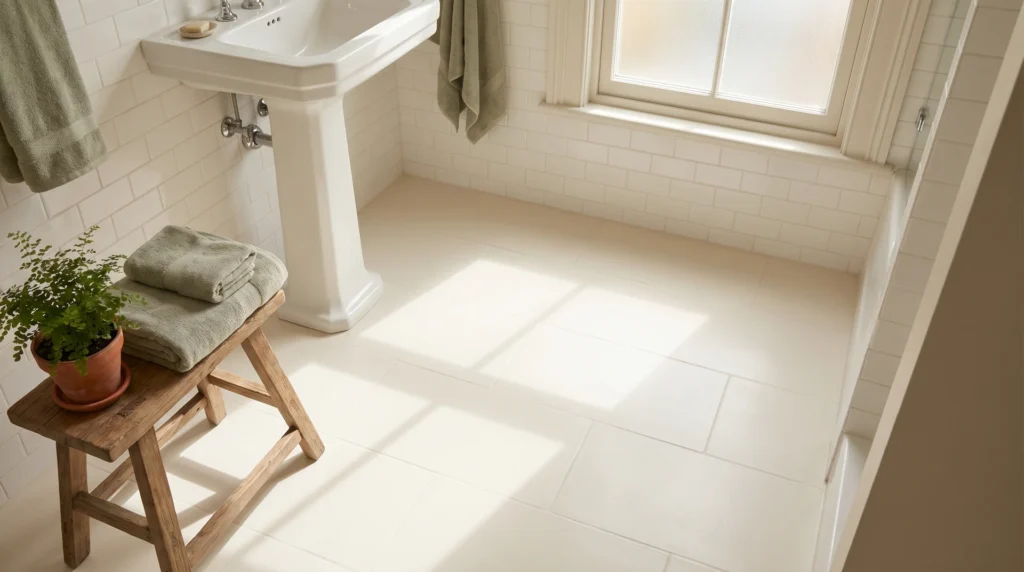
If you’ve been staring at dated tile, wondering whether paint is actually a viable fix, here’s the direct answer: yes.
The best paint for ceramic tile floors is a two-part epoxy formula for bathrooms, kitchens, and high-traffic areas, and a floor-specific acrylic enamel for moderate-traffic spaces like laundry rooms, guest baths, and covered porches.
For under $100 in most cases, you can change the entire feel of a room, and the result holds up far better than the skeptics online would have you believe, provided you use the right product and prepare the surface properly.
I’ve advised homeowners through painted tile projects across bathroom renovations, budget updates for rental properties, and full room refreshes. The projects that succeed nearly always come down to two decisions made before the paint arrives: which product to use, and whether the surface receives the prep it actually needs. This guide covers both.
Why Paint Fails on Ceramic Tile Floors
The Glaze Problem: Why Ceramic Is Uniquely Difficult to Paint
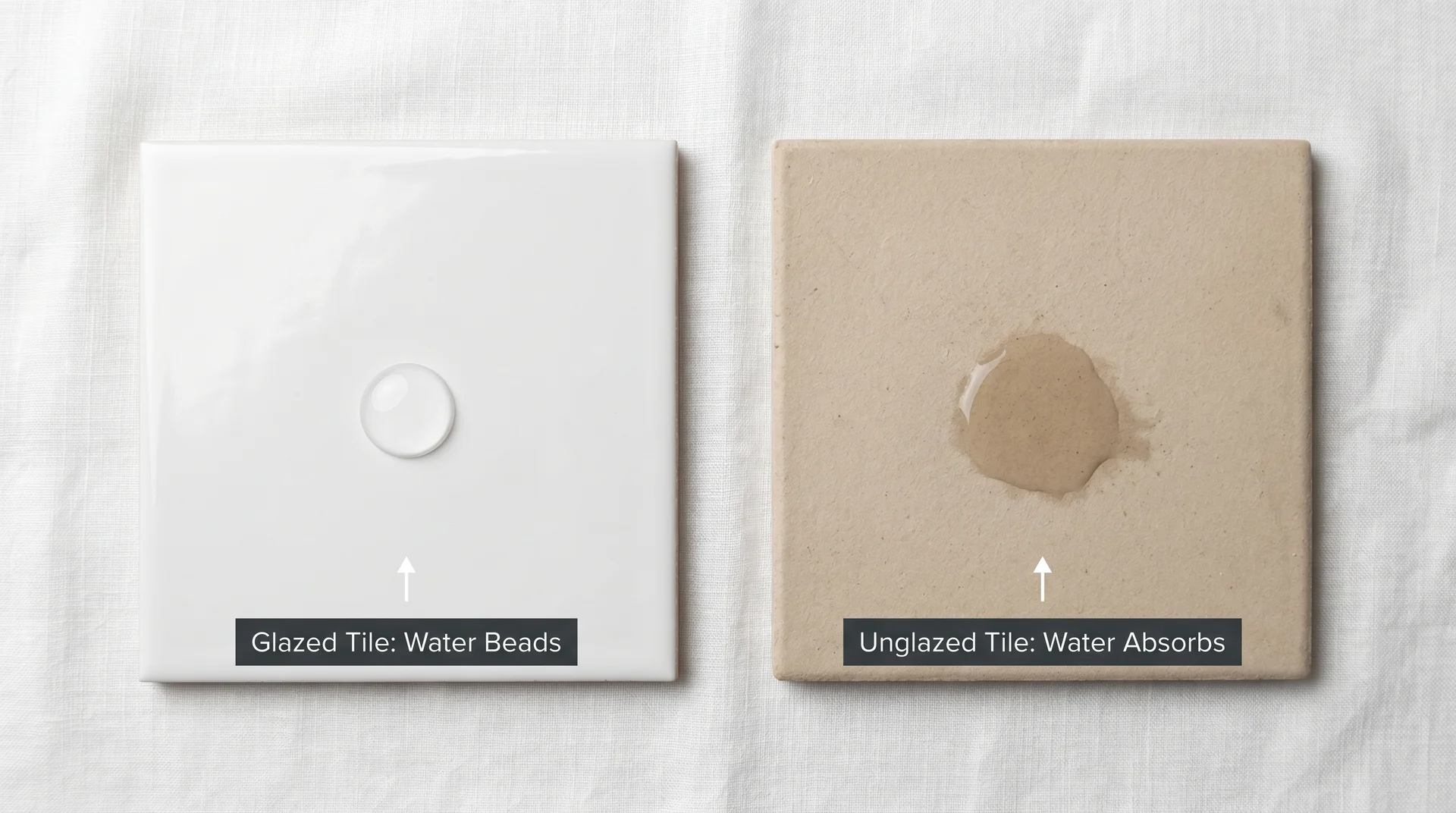
Ceramic tile has a kiln-fired glaze engineered to repel water, stains, and bacteria. It also repels paint. The surface is smooth and non-porous, which means there’s nothing for standard paint to grip. When paint fails on ceramic, it’s rarely a product problem. It’s a surface preparation problem because the glaze was never adequately disrupted before anything was applied on top of it.
Unglazed ceramic behaves differently. It’s matte, slightly rough, and more porous, so it holds paint considerably better. To identify which type you have, look at the tile under direct light.
Glazed tile has a clear sheen; unglazed tile looks flat and slightly textured, similar to concrete. You can also test with a water droplet: it beads on glazed tile and absorbs into unglazed. This distinction determines how aggressively you need to sand before priming.
A note on porcelain: porcelain is fired at a higher temperature than ceramic and is denser, making adhesion slightly harder. The same paint types apply to both, but porcelain requires more thorough sanding to break the surface sheen.
The Three Failure Modes Worth Knowing Before You Start
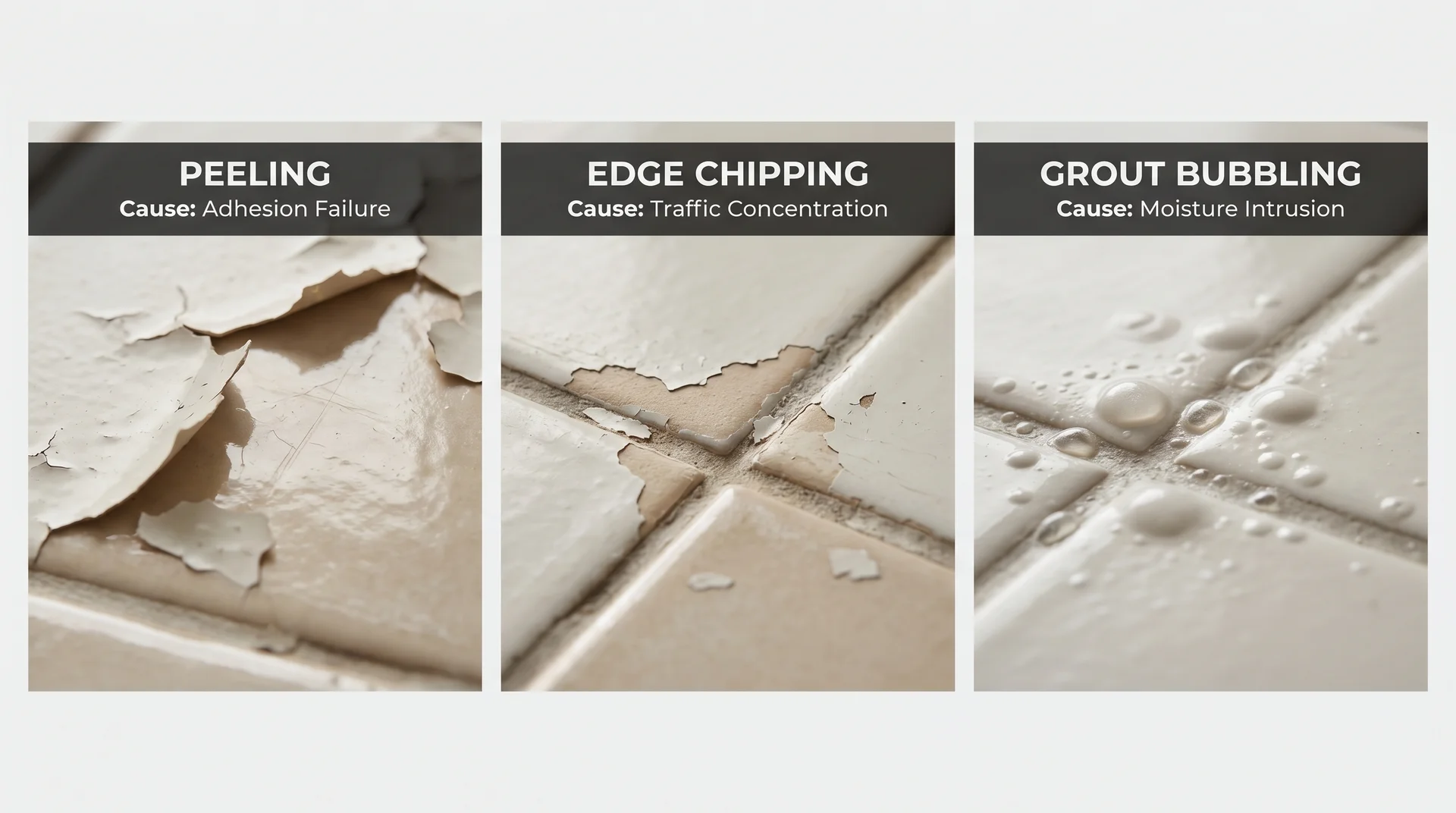
Peeling from the tile surface is a full adhesion failure. The cause is almost always prep: the tile wasn’t degreased properly, wasn’t sanded, or received a primer not rated for non-porous surfaces. Once the bond between primer and tile breaks, everything above it comes off in sheets. The fix requires going back to bare tile and starting over.
Chipping at tile edges is the most common complaint in high-traffic floors. Foot traffic doesn’t distribute evenly across a tile; it concentrates at the outer perimeter where shoes catch and drag. A floor-specific product with a durable topcoat reduces this significantly, and area rugs in the hardest-hit zones extend the life of the finish.
The wall edge, where the tile meets the baseboard, is also worth addressing before the paint goes down.Shoe molding or quarter round at that junction protects the painted tile edge from the concentrated foot traffic that causes perimeter chipping, and it seals the gap between the floor surface and the baseboard cleanly.
Grout-line bubbling happens when moisture gets underneath the paint through cracked or void-filled grout. Water enters, the substrate shifts slightly, and the paint above releases. Address the grout condition before painting, and the problem largely disappears.
The Best Types of Paint for Ceramic Tile Floors
Two-Part Epoxy Paint: The High-Traffic, High-Moisture Standard
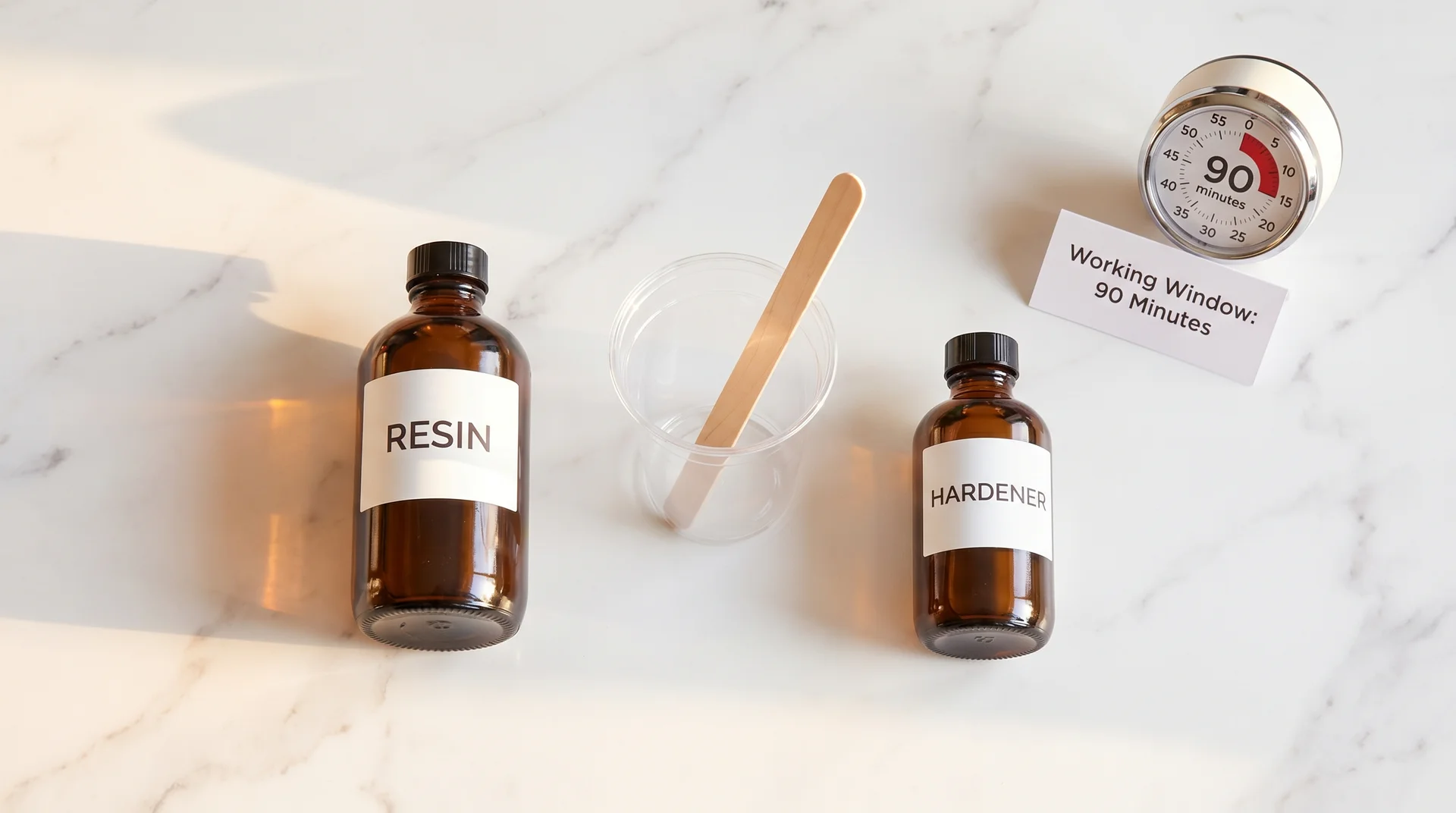
Two-part epoxy is the most durable paint option for ceramic tile floors, and it’s the right choice for bathrooms, kitchens, mudrooms, and entryways. It consists of a resin and a hardener that you mix before application.
The chemical reaction between them creates a bond that single-component paints can’t replicate on a non-porous glazed surface. The result resists foot traffic, moisture, and cleaning agents at a level that puts most acrylic options at a clear disadvantage.
The tradeoffs are worth knowing before you buy. Once mixed, you have a working window of roughly 90 minutes before the product becomes unusable.
Ventilation is non-negotiable, so open windows and run a fan during application. An unevenly loaded roller leaves visible marks, so technique matters more here than with acrylic formulas. Expect to spend $60 to $90 for a refinishing kit.
Allow 24 to 48 hours before any foot traffic, and give the finish a full 7 days to cure before placing rugs or furniture.
Floor-Specific Acrylic Enamel: The Practical Middle Ground
Floor-specific acrylic enamel is a meaningful step above regular interior wall paint, formulated with hardeners and floor-grade resins that give it real durability. It’s easier to apply than two-part epoxy, has a longer working window, and comes in a wider range of colors.
The key difference from epoxy: acrylic enamel requires a quality topcoat sealer to perform well over time, whereas properly applied two-part epoxy generally doesn’t.
This category works well for low-to-moderate traffic areas: laundry rooms, guest baths, powder rooms, and covered porches. Budget $40 to $70 for the paint, plus the cost of primer and sealer. Allow 24 hours between coats and at least 72 hours before the floor sees regular foot traffic.
Chalk Paint and Latex Paint: A Direct Answer
Chalk paint has genuine uses in interior design. A ceramic tile floor with regular foot traffic is not one of them.
Even with multiple coats of wax or polyurethane on top, chalk paint’s softness makes it vulnerable to scuffing and scratching at a rate most homeowners find frustrating within months.
Standard interior latex wall paint is also not appropriate for ceramic tile floors. It’s not formulated for abrasion resistance, and no quantity of sealer coats compensates for that limitation.
Best Paint for Ceramic Tile Floors by Room
Best Paint for Bathroom Ceramic Tile Floors
For bathroom ceramic tile floors, use two-part epoxy. Consistent humidity, standing water, daily cleaning agents, and high foot traffic from multiple users demand the strongest adhesion and moisture resistance available. Floor-specific acrylic enamel can work in a very lightly used guest bath, but for a primary bathroom, epoxy is the right call.
One step most guides skip: add a non-slip additive to the final topcoat on bathroom floors. Painted tile is smooth, and a wet bathroom floor with a glossy finish is a genuine slip hazard. Non-slip additives mix directly into the topcoat, cost a few dollars at any hardware store, and add grip without significantly changing the appearance of the finish.
Painted tile should not go inside a shower enclosure or any area where water contact is continuous. The paint system isn’t designed for submersion, and it will fail in those conditions.
Best Paint for Kitchen Ceramic Tile Floors
For kitchen floors with heavy use, two-part epoxy performs best. For moderate-use kitchens, a quality floor enamel with a polyurethane topcoat is a workable choice.
The primary stressor in a kitchen is foot traffic combined with grease splatter and cleaning products that are harsher than what most bathrooms see.
Color choice matters more in kitchens than anywhere else. Light, solid colors show grease accumulation quickly, especially near the stove.
A mid-tone neutral, a warmer off-white, or a two-tone painted pattern is considerably more forgiving in daily use than a solid pale gray or white.
Best Paint for High-Traffic Areas: Entryways, Mudrooms, and Hallways
In heavily used entryways and mudrooms, painted ceramic tile is a medium-term update.
With two-part epoxy and thorough preparation, you can reasonably expect two to four years before the finish shows meaningful wear in the highest-traffic points.
Two-part epoxy is the only appropriate paint choice for these spaces. For finish selection, darker shades and satin or matte finishes wear more gracefully in hard-use corridors than high-gloss light colors, which reveal every surface scuff in raking light.
Best Paint for Low-Traffic Spaces: Guest Baths and Laundry Rooms
This is where painted ceramic tile genuinely earns its reputation. Guest bathrooms with light weekly use, laundry rooms with minimal foot traffic, and covered porches away from direct weather are ideal candidates.
Floor enamel with a polycrylic or polyurethane topcoat can last four to six years in these conditions.
These are also the most practical spaces for stenciling and pattern work, which require a stable, low-stress surface to look their best long-term.
Top Recommended Ceramic Tile Floor Paints: A Curated Shortlist
| Product | Best For | Key Notes |
|---|---|---|
| Rust-Oleum Tub & Tile Refinishing Kit | Bathrooms, high-moisture floors | Two-part epoxy-acrylic; gloss finish; follow mixing instructions to the letter |
| EPODEX 2K Tile Paint | Any ceramic tile floor; low-odor preference | Water-based two-part epoxy; suitable where ventilation is limited; requires precise mixing ratio |
| Benjamin Moore Command Floor Paint | Moderate-traffic floors, color accuracy matters | Commercial-grade floor enamel; wide color range; needs a separate topcoat |
| Rust-Oleum Home Floor Coating Kit | First-time DIYers, smaller rooms | Base coat and topcoat sold together; widely available; tintable |
| Valspar Porch, Floor & Patio Latex Paint | Low-traffic spaces, covered porches | Good color range; affordable; requires polyurethane topcoat for durability |
The product that matters most on this list is INSL-X STIX Waterborne Bonding Primer. It’s not a paint, but it’s the item that determines whether any of the products above perform well or peel within months.
INSL-X STIX is formulated specifically for non-porous and difficult surfaces: ceramic, glass, PVC, and melamine. You can test its grip after it dries by pressing a thumbnail firmly against the surface and trying to scrape. It holds. Standard primer on glazed ceramic doesn’t respond the same way. If there’s one product to invest in on this project, this is it.
How to Prepare Ceramic Tile Floors for Painting
A painted ceramic tile floor that peels is almost always a prep problem wearing a paint problem’s face. Homeowners blame the brand, return the product, and try again with a different one, arriving at the same result because they bring the same habits to the next project.
The tile chemistry doesn’t change with a different brand on the label. The glaze doesn’t suddenly cooperate because a different product sits on top of it. What changes the outcome is what you do before the paint arrives.
Step 1: Deep Clean the Tile and Grout
Use TSP (trisodium phosphate) or a heavy-duty degreaser like Krud Kutter. Soap residue, grease, and grout film are invisible to the eye but fatal to adhesion.
Scrub the entire floor with a stiff brush, paying close attention to grout lines, which collect more residue than the tile face does.
Work in sections so no area dries with cleaner still on it, rinse thoroughly with clean water, and allow the floor to dry completely before moving on. In a humid bathroom, that means overnight.
Step 2: Sand the Glazed Surface
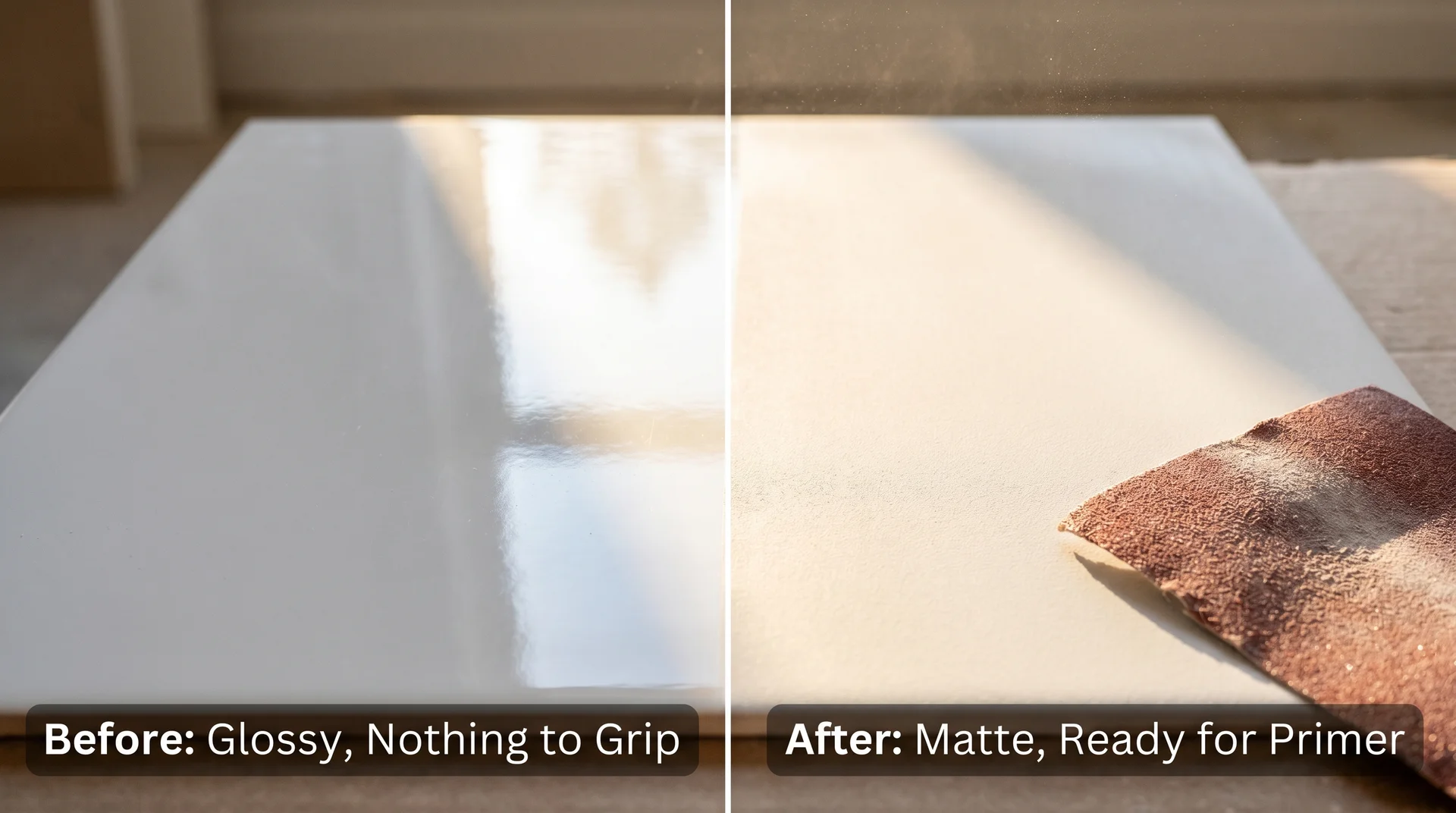
Use 80 to 120 grit sandpaper and scuff the entire tile surface until the reflective sheen of the glaze is gone and the surface looks uniformly matte. You’re creating microscopic texture for the primer to grip, not stripping the glaze entirely. On high-gloss tile, be more aggressive.
For small bathroom floors, hand-sanding with a sheet of sandpaper works fine. For larger areas, an orbital sander saves considerable time.
After sanding, vacuum the floor and wipe it down with a damp cloth before priming. Dust trapped under primer is another adhesion failure in waiting.
Step 3: Apply a Bonding Primer
Apply INSL-X STIX or a bonding primer rated specifically for non-porous surfaces.
Roll it evenly with a foam roller and use a brush to work it into grout lines. Allow two to three hours of dry time before the first coat of paint, longer in a humid bathroom.
The primer needs to be fully tacked before paint goes over it, and this is a step where patience costs you nothing and rushing costs you everything.
Application Tips for a Long-Lasting Painted Ceramic Tile Floor
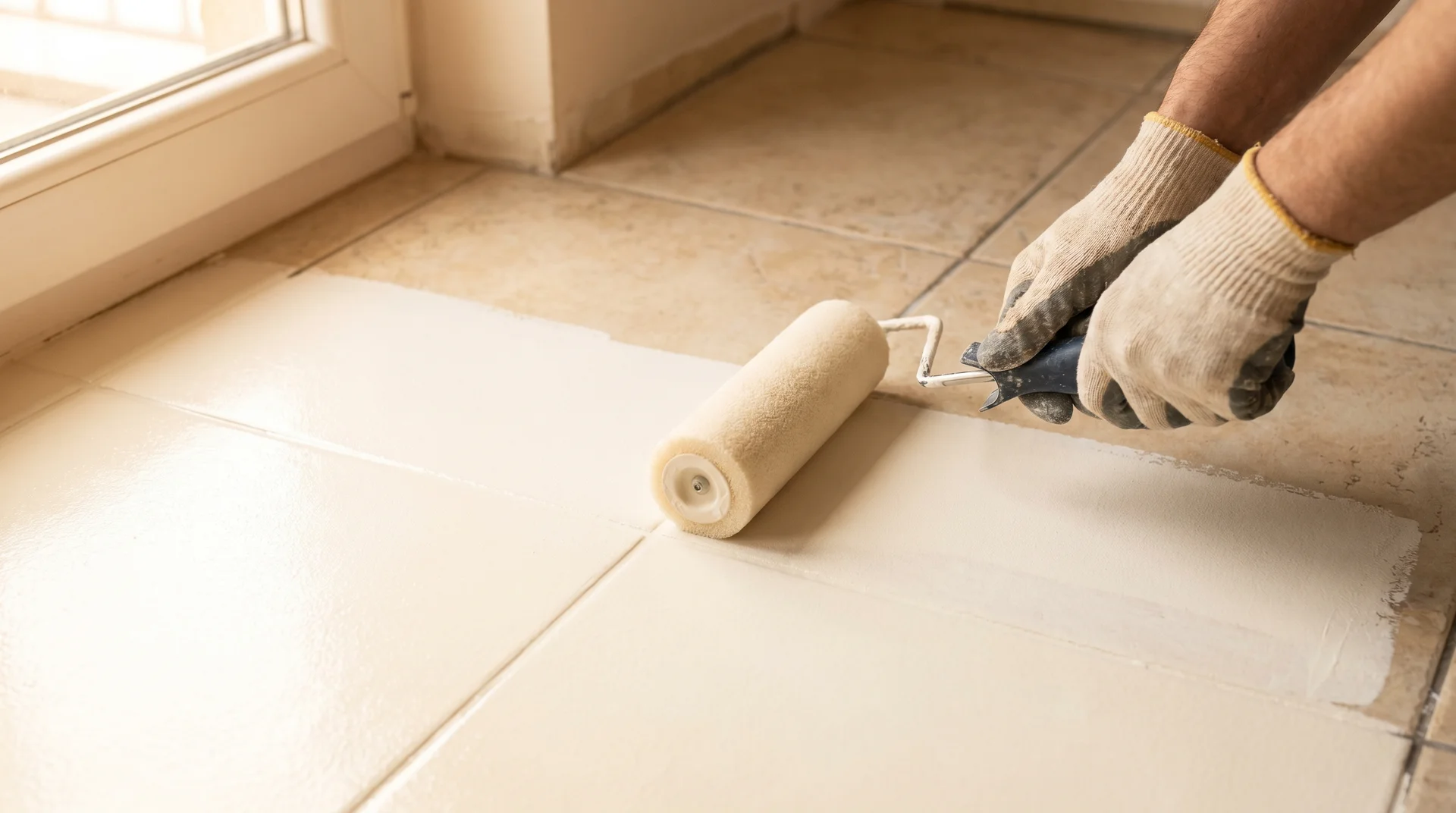
- Use a foam roller on flat tile surfaces. Foam produces a smoother finish than fabric, which leaves a stippled texture that reads as rough on floors.
- Apply two thin coats instead of one heavy one. Thin coats build a more even surface, are less likely to trap bubbles, and create cleaner edges at the grout lines.
- Use a brush for grout lines and the perimeter. A roller doesn’t reach into grout recesses cleanly.
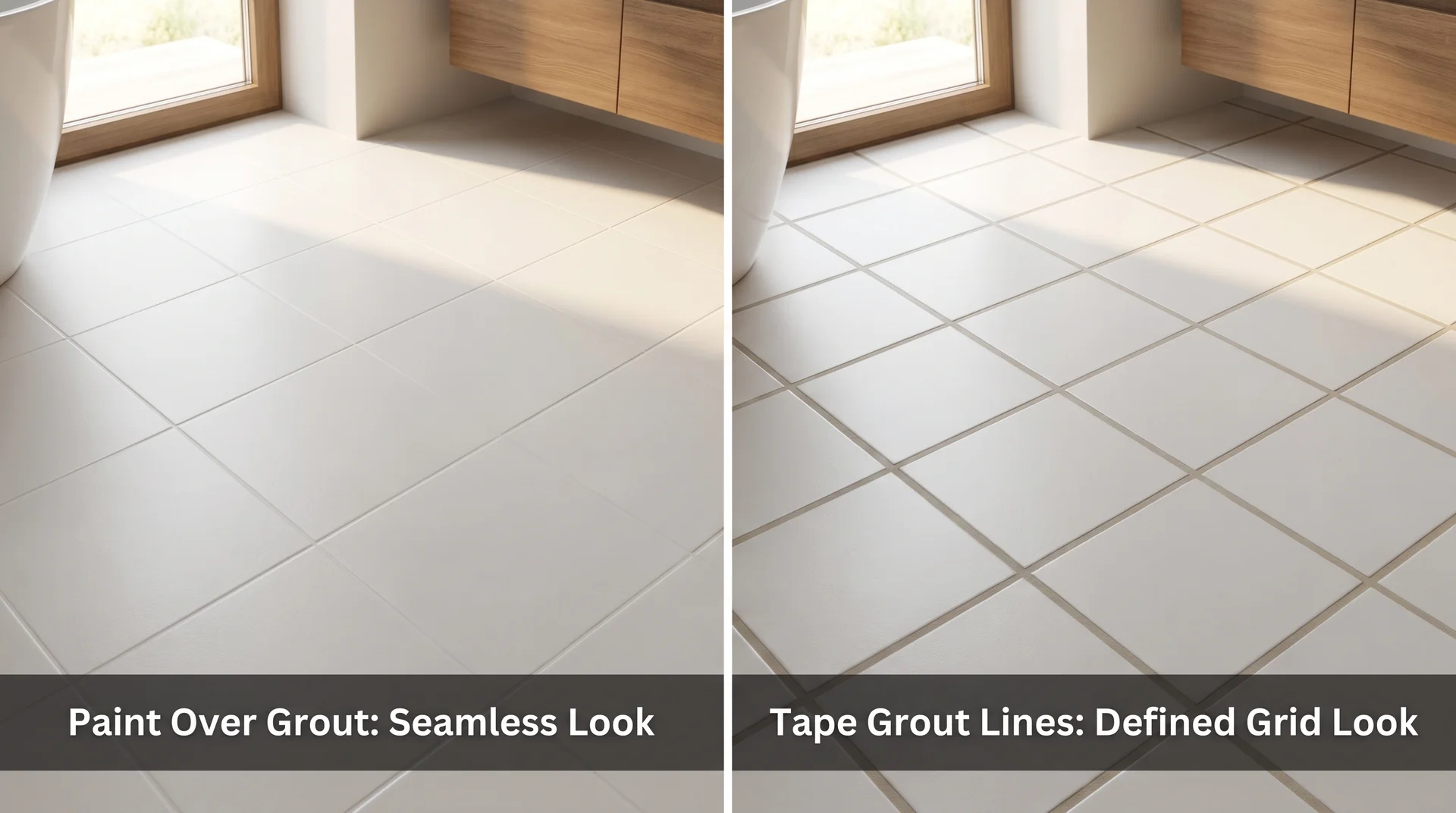
- On the grout question: painting over grout lines entirely creates a clean, uniform look. Taping them off preserves contrast between tile and grout. Paint-over- grout is faster; taped grout adds visual depth, particularly with stenciled patterns. Neither is wrong.
- On finish selection: satin and matte finishes are more forgiving in high-use spaces because they don’t reveal surface scratches in raking light the way gloss does. Gloss looks more polished and cleans more easily, but it shows wear more honestly over time.
- Wait the full cure time before placing rugs or furniture. Most products reach full cure in 7 days. Placing rugs over a partially cured floor traps moisture and accelerates peeling.
How Long Does Paint Last on Ceramic Tile Floors
Painted ceramic tile floors realistically last two to five years, depending on paint type, preparation quality, traffic volume, and maintenance habits. That spread is wide because the variables are genuinely significant.
Two-part epoxy applied over properly prepared tile in a moderate-use bathroom can reach the higher end of that range.
Homeowners using Benjamin Moore Command Floor Paint in frequently used half-baths report four years of strong performance before the first chips appear, most commonly in front of the toilet, where traffic concentrates.
Chalk paint over unprepared high-gloss tile in a busy kitchen can show failure within months. The prep, the primer, and the product choice set the baseline. Maintenance determines how long that baseline actually holds.
Maintenance That Extends the Life of Painted Ceramic Tile Floors
- Clean with a soft mop and a pH-neutral floor cleaner. Bleach, ammonia, and abrasive scrubbers degrade paint and topcoat faster than foot traffic does.
- Place area rugs in front of sinks, toilets, and stoves, where traffic and moisture concentrate most.
- For acrylic enamel floors, apply a fresh coat of polyurethane every one to two years in wet areas, or when the surface begins to lose its sheen.
- Keep a small amount of the original paint if possible. Touch-ups show unless the original color is available for matching.
Is It Worth Painting Ceramic Tile Floors
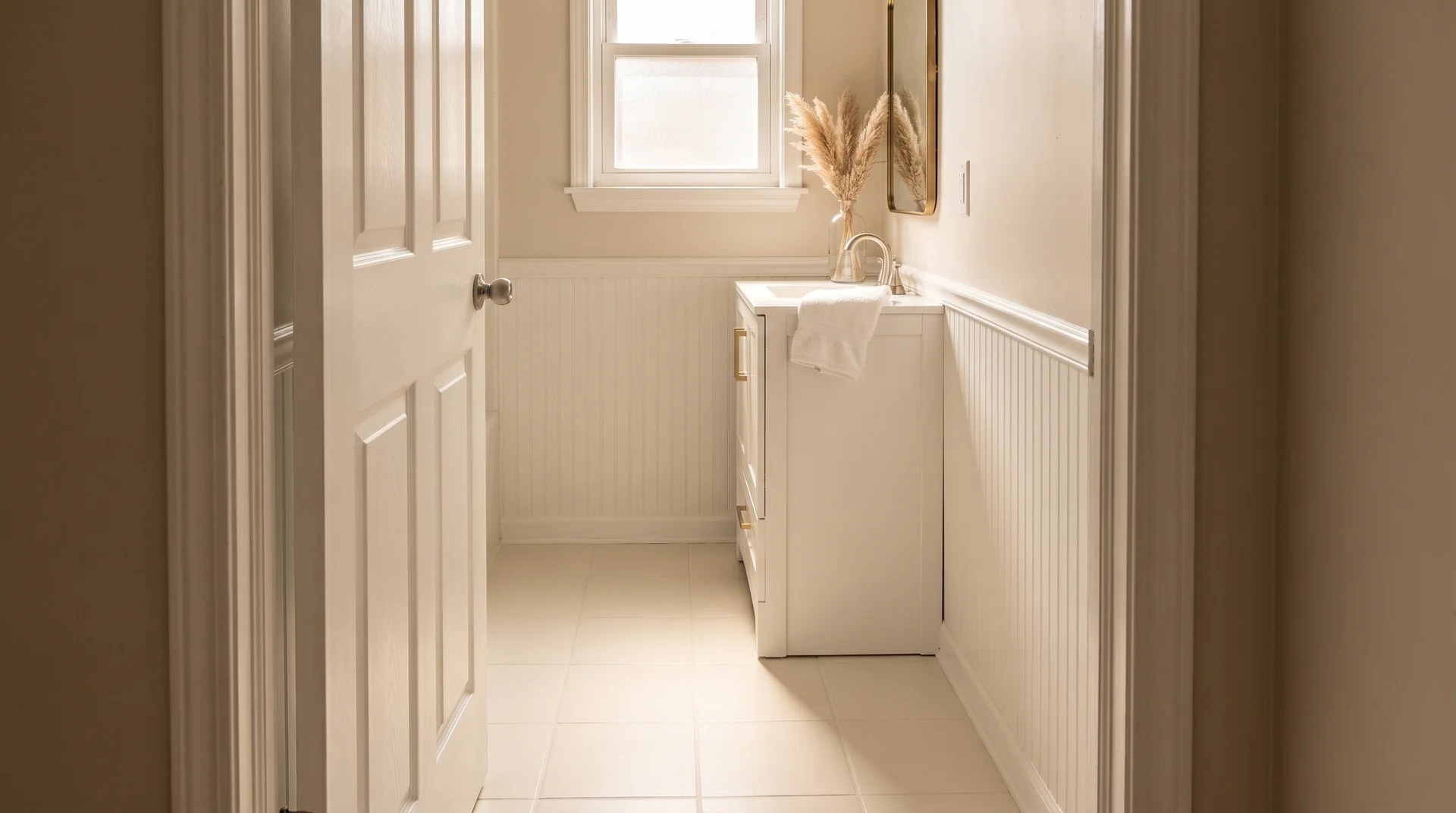
The financial case is clear. A full ceramic tile floor replacement typically costs $800 to $3,000 or more, depending on room size, tile choice, and labor.
A complete painted tile project, including bonding primer, floor paint, and topcoat, runs $75 to $150 for most residential spaces. You can do the work yourself in a weekend, and the room looks genuinely different when you’re done.
Painting ceramic tile is worth it when the tile is structurally sound but cosmetically dated, when your timeline doesn’t allow for full renovation, or when you’re updating a rental or transitional space without long-term investment.
It’s a deliberate design choice, and a good one, when you go into it understanding what it offers: two to five years of a floor you actually like, for a fraction of what replacement costs.
Tile replacement is the better answer when grout has failed structurally, when multiple tiles are cracked or loose, or when you’re in the home long-term and want a permanent solution. Painting over tile with significant structural issues doesn’t fix what’s happening underneath it.
Frequently Asked Questions
Can you paint over already-painted ceramic tile floors?
Yes, provided the existing paint is fully adhered and not peeling or chipping. Clean and lightly sand the painted surface, then apply your new product directly over it. Where the existing paint is failing, strip it back in those spots before proceeding.
Can you paint ceramic tile inside a shower?
No. Paint systems aren’t designed for continuous water contact. Shower tile faces extended daily water exposure that no consumer paint product handles reliably over time. Stick to floor tile and walls outside the wet zone.
Do painted ceramic tile floors need to be sealed?
It depends on the product. Two-part epoxy systems generally don’t require a separate topcoat. Acrylic enamel and porch-and-patio formulas benefit from a polyurethane or polycrylic topcoat, particularly in wet or moderate-traffic areas.
What happens if you use regular wall paint on ceramic tile floors?
It fails. Wall paint isn’t formulated for abrasion resistance, and no number of sealer coats compensates for that. Expect scuffing, peeling, and visible surface deterioration within weeks of regular use.
Can you stencil-paint ceramic tile floors?
Yes. Apply and fully cure the base coat first, then stencil on top with a very small amount of paint loaded onto a stencil brush or lightly loaded foam roller. Seal everything with a topcoat after the stencil layer dries completely. Low-traffic spaces are the best candidates for stenciling because the finish has time to cure before it faces real stress.
Does painting ceramic tile floors work in a kitchen?
It works well with the right product and proper preparation. Two-part epoxy performs best in kitchens with heavy daily use. Floor enamel with a polyurethane topcoat is appropriate for moderate-use kitchen floors. Expect more frequent touch-ups near the cooking zone regardless of which product you choose.
End Note
Painted ceramic tile floors aren’t a workaround or a compromise. When you match the product to the room, prepare the surface properly, and let the finish cure fully, the result is a floor that holds up and looks intentional.