
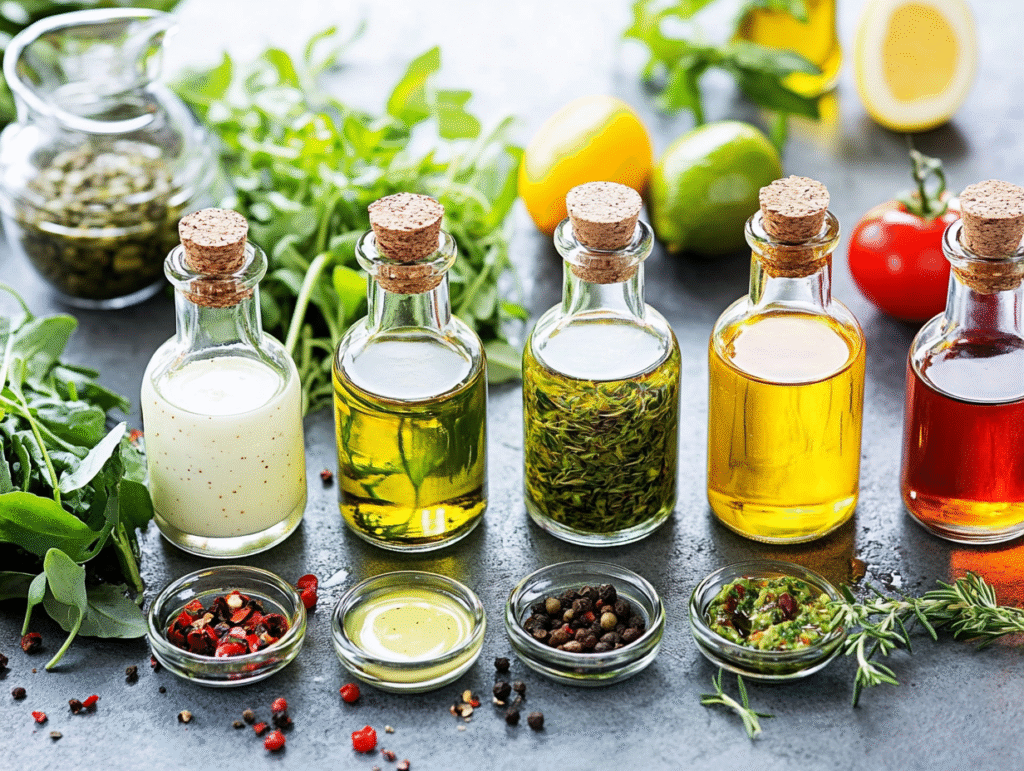
Tired of making a healthy salad only to ruin it with a salty dressing? You’re not alone.
Most store-bought dressings are loaded with sodium (even the ones that sound healthy). If you’re managing kidney disease or high blood pressure, or just trying to cut back on salt, finding the right
dressing can be frustrating. But it doesn’t have to be.
In this guide, you’ll get simple homemade recipes, the best low-salt salad dressing brands you can trust, and expert tips to keep your meals full of flavor (not sodium).
Whether you prefer creamy or tangy, there’s something here for you.
Why Low Sodium Salad Dressing Matters
Salad dressings may seem like a small part of your meal, but they can sneak in a lot of sodium, fast.
Just two tablespoons of regular dressing can have over 300 mg of sodium. That’s a big deal if you’re trying to stay within a daily limit of 1,500 to 2,300 mg.
If you’re living with chronic kidney disease (CKD), heart issues, or high blood pressure, extra sodium can cause fluid retention, increase blood pressure, and put added strain on your kidneys.
Choosing low-sodium dressings helps:
- Support better blood pressure control
- Reduce swelling and fluid buildup
- Make healthy meals truly heart- and kidney-friendly
It’s one simple change that makes a big difference to your health.
Store-Bought Low Sodium Salad Dressings Worth Trying
Sometimes you need something quick and ready to go, and that’s where store-bought low-sodium dressings can help.
These options are dietitian-approved and offer great flavor without overloading on salt.
Most have 140 mg of sodium or less per serving, making them a smart choice for everyday meals.
Top Picks from Dietitians (My Top Picks)
Renal dietitians and CKD experts often recommend these dressings:
- Annie’s Balsamic Vinaigrette – Tangy and rich, with no artificial ingredients.
- Bragg’s Oil-Free Vinaigrette – A heart-healthy, salt-conscious blend.
- Bragg’s Ginger & Sesame – Great for Asian-inspired salads.
- Cindy’s Kitchen Barcelona Vinaigrette – Bold, flavorful, and low in sodium.
- Ken’s Sweet Vidalia Onion – Slightly sweet with a soft, mellow taste.
- Badia Lemon Garlic Basil – Fresh and zesty with plant-based ingredients.
Amazon’s Best Low Sodium Dressings
| Product | Pros | Cons |
| Skinnygirl Sugar-Free Balsamic Vinaigrette | Low-calorie, sugar-free, low-sodium | Contains artificial sweeteners |
| BRIANNAS Organic Honey Ginger Vinaigrette | Organic ingredients, nice balance of sweet and tangy | Slightly higher in natural sugars |
| Maple Grove Farms Fat-Free Balsamic | Fat-free, mild taste, low sodium | Some may find the flavor too light |
| Terrapin Ridge Farms Garlic Herb Vinaigrette | Bold flavor, clean ingredients | More expensive than average dressings |
| Hellmann’s Vegan Dressing & Spread | Creamy, plant-based, lower-sodium than regular mayo | Higher in fat—best in moderation |
Tips for Buying Smart
Not every dressing labeled “light” or “healthy” is truly low in sodium. Here’s how to pick the right one when shopping:
- Check the label – Look for dressings with 140 mg of sodium or less per serving.
- Watch serving size – Many dressings list sodium per tablespoon, but most people use more.
- Avoid misleading terms – “Lite” or “fat-free” versions can sometimes have more salt to boost flavor.
- Go for vinaigrettes – These are usually lower in sodium than creamy dressings.
- Read the ingredients – Look out for MSG, potassium chloride, or hidden salts like soy sauce or bouillon.
- Try salt-free seasoning blends – These can help you add flavor if you’re mixing your own at home.
Easy Homemade Low Sodium Salad Dressings
Making your own dressing lets you control the ingredients, especially the sodium. These simple recipes are perfect for adding flavor without adding salt.
Creamy Italian Dressing (Kidney-Friendly)
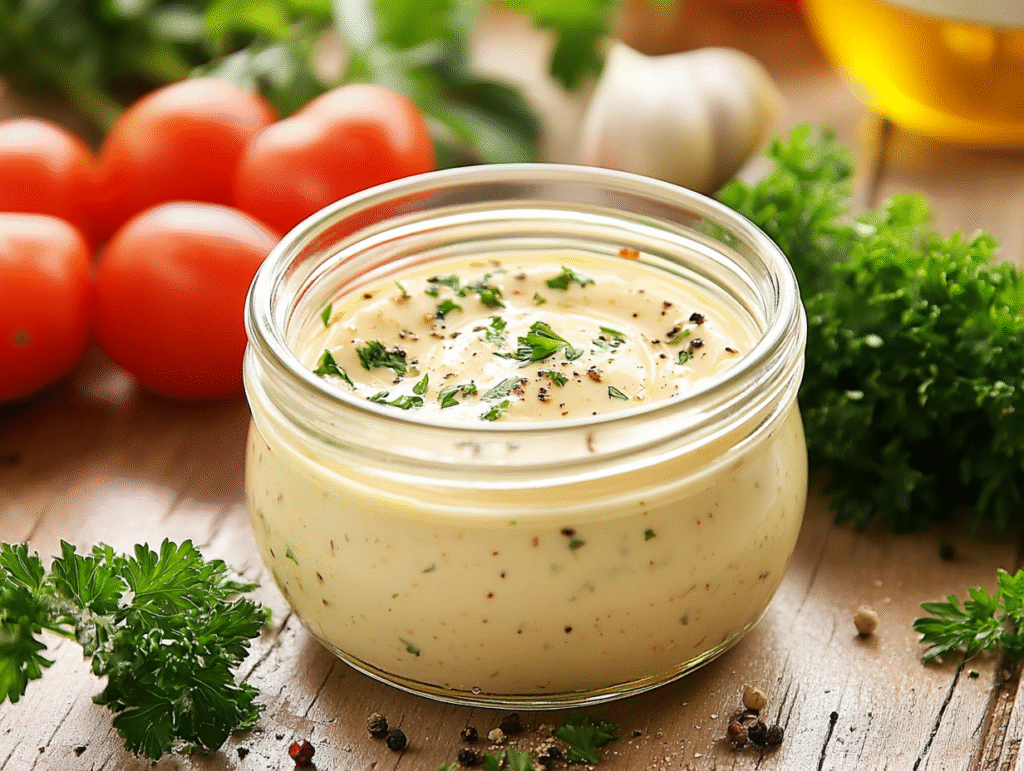
This one’s great if you like creamy dressings but want to avoid bottled versions. You’ll need:
- ½ cup mayonnaise
- ¼ cup sour cream
- 2 tbsp red wine vinegar
- 1 tsp lemon juice
- ¼ cup olive oil
- ½ tsp onion powder
- ¼ tsp garlic powder
- ¼ tsp Italian seasoning
- 2 tbsp chopped fresh parsley
- ¼ tsp dried basil
- 2 tbsp nutritional yeast
Steps:
- Add all ingredients to a bowl or jar.
- Whisk or shake well until fully mixed.
- Store in the fridge. Use within 2 weeks.
Sodium per serving: ~50 mg (2 tablespoons)
Simple Balsamic Vinaigrette
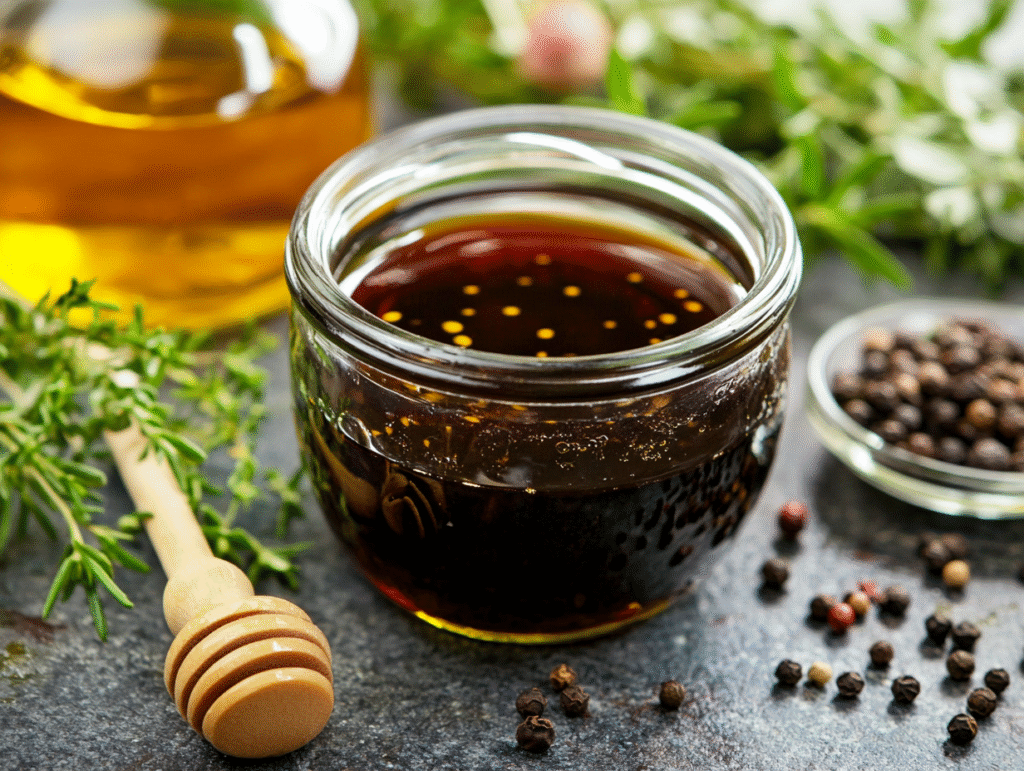
A classic, tangy, low-sodium vinaigrette dressing using pantry staples. You’ll need:
- 3 tbsp balsamic vinegar
- ½ cup extra virgin olive oil
- ½ tsp black pepper
- ½ tsp garlic powder
- ¼ tsp onion powder
- 1 tsp Dijon mustard
- 1 tsp honey
Steps:
- Combine all ingredients in a small bowl or jar.
- Shake or whisk until smooth.
- Store in the fridge for up to 2 weeks.
Sodium per serving: ~10 mg (2 tablespoons)
Mustard Vinaigrette (Dietitian’s Go-To Base)
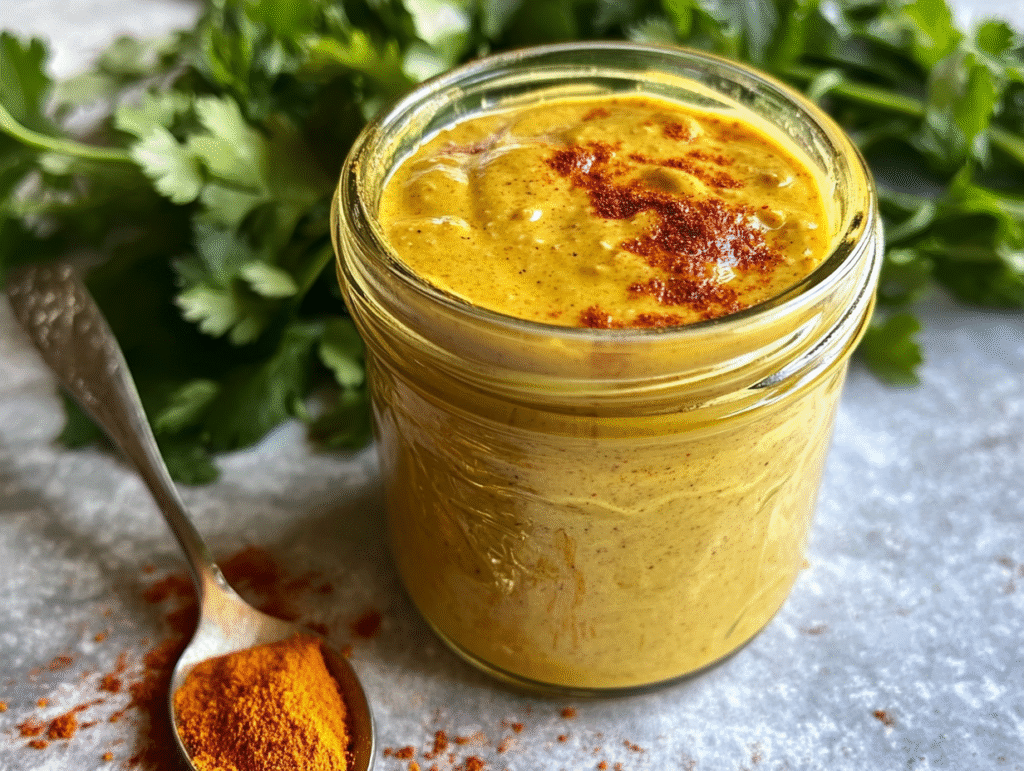
Simple, flexible, and great as a marinade too. You’ll need:
- 2 tbsp stone ground mustard
- 1 tbsp rice vinegar
- 4 tbsp vegetable or olive oil
- Optional: chili powder, paprika, fresh herbs, or salt-free ranch seasoning
Steps:
- In a bowl or jar, mix mustard and vinegar.
- Slowly add oil while whisking to emulsify.
- Add optional seasonings to taste.
- Store in the fridge for 1–2 weeks.
Tip: For a lower-fat version, replace half the oil with low-sodium chicken broth.
Flavor Variations Without the Salt
Low sodium doesn’t mean low flavor. These ingredients help you switch things up without adding extra salt.
Vinegars That Add Depth
- Apple cider vinegar – Strong and tangy
- Rice vinegar – Milder, great for gentle flavors
- Balsamic vinegar – Naturally sweet and rich
- Fruit vinegars – Light and slightly sweet
Healthy Fats That Work Well
- Olive oil – Classic and heart-healthy
- Avocado oil – Light, with a mild taste
- Tip: Mix oil with low-sodium broth to reduce fat
Herbs, Spices, and Savory Add-ins
- Fresh herbs: parsley, basil, dill, thyme
- Dried spices: garlic powder, onion powder, black pepper
- Nutritional yeast: cheesy, umami flavor
- Mustard: emulsifier and tang
- Salt-free seasoning blends: Mrs. Dash or herb mixes
How to Store and Use Your Dressings
Storage Tips
- Store in a glass jar with a lid
- Refrigerate immediately
- Use within 1–2 weeks
- Shake before using
Ways to Use Them
- On salads
- As a dip for vegetables
- As a marinade for chicken, tofu, or fish
- In wraps or sandwiches
Low Sodium Dressing Tips for People with CKD
Disclaimer: This section is for informational purposes only and is not a substitute for medical advice. Always consult your doctor or registered dietitian before making dietary changes. When you’re living with chronic kidney disease (CKD), even small ingredients like salad dressing can affect your health.
What to Avoid
- High-sodium dressings like ranch, blue cheese, and Caesar
- Additives such as MSG, potassium chloride, or phosphate preservatives
- Dairy-heavy dressings with buttermilk or cheese
- Low-fat versions with added salt or sugar
What to Look For
- Olive oil-based vinaigrettes
- Homemade dressings
- Herbs and spices instead of salt
- Portion control (1–2 tablespoons)
Summing up
Whether you choose store-bought or homemade, it’s easy to enjoy flavorful dressings while keeping sodium low. Start small: try one new low-salt salad dressing this week.
Helpful tip: Ask for dressing on the side when eating out and dip your fork before each bite to reduce sodium intake. Your meals can be both healthy and satisfying with a few mindful swaps.
Comment below and let us know what you will try next.