

Every few weeks, someone I’ve worked with sends me a message that goes something like: “Edwina, I love the look of sheer curtains, but will my neighbours see right into my living room?” I understand the anxiety behind that question, and I want to answer it honestly before anything else.
Sheer curtains provide limited daytime privacy. Bright outdoor light creates a natural visual barrier that makes it difficult for people outside to see clearly into your home. Once you switch your interior lights on after dark, however, sheer curtains offer very little protection. The light reversal makes your silhouette and movement visible from outside.
So the short answer is: yes during the day, and no after dark.
Whether sheers work for your home depends on far more than the time of day. Your window’s position, the room’s purpose, the fabric weave, and how you layer your treatments all play a role. I have spent over a decade helping homeowners navigate exactly this decision, and the solutions are far more nuanced and far more beautiful than simply swapping sheers for something heavier.
Let me walk you through everything I know.
How Sheer Curtains Actually Interact With Light
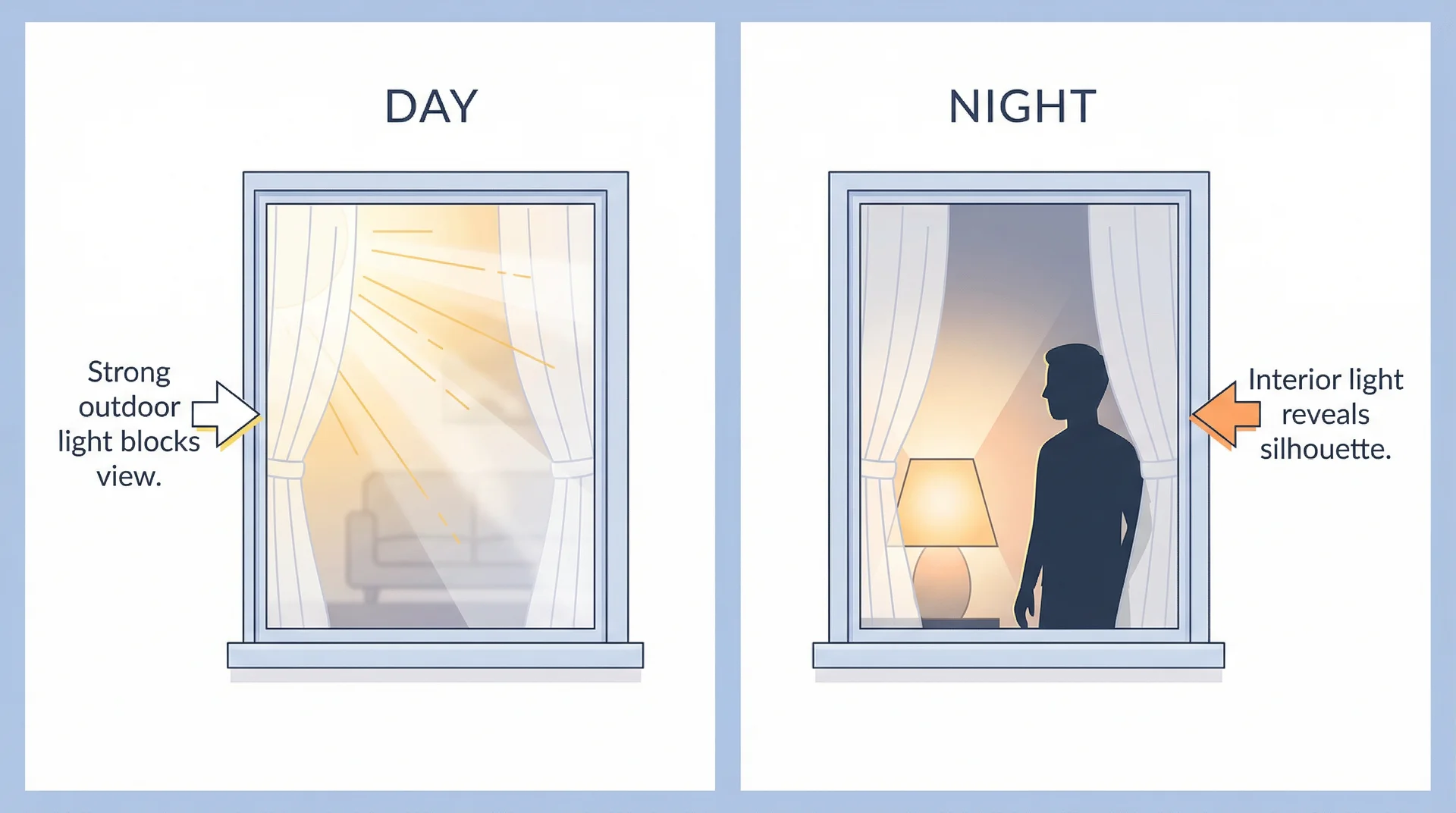
Sheer curtains work on a principle called differential light intensity. During the day, outdoor light is significantly stronger than your indoor ambient light, so the exterior brightness effectively washes out the interior view for anyone looking in. The fabric diffuses and scatters the incoming light, creating a soft, frosted visual effect that obscures detail.
I remember visiting a client in a ground-floor apartment in a busy part of town. She had beautiful white voile sheers across her front windows and swore by them during her work-from-home hours. She was right during daylight. The pedestrian traffic outside simply could not see past the diffused glow. But around 6 PM, when she turned her floor lamp on, and natural light dimmed outside, the dynamic completely reversed.
That reversal is what I call the fishbowl moment. Almost every homeowner experiences it at some point, usually with mild shock.
The Nighttime Light Reversal
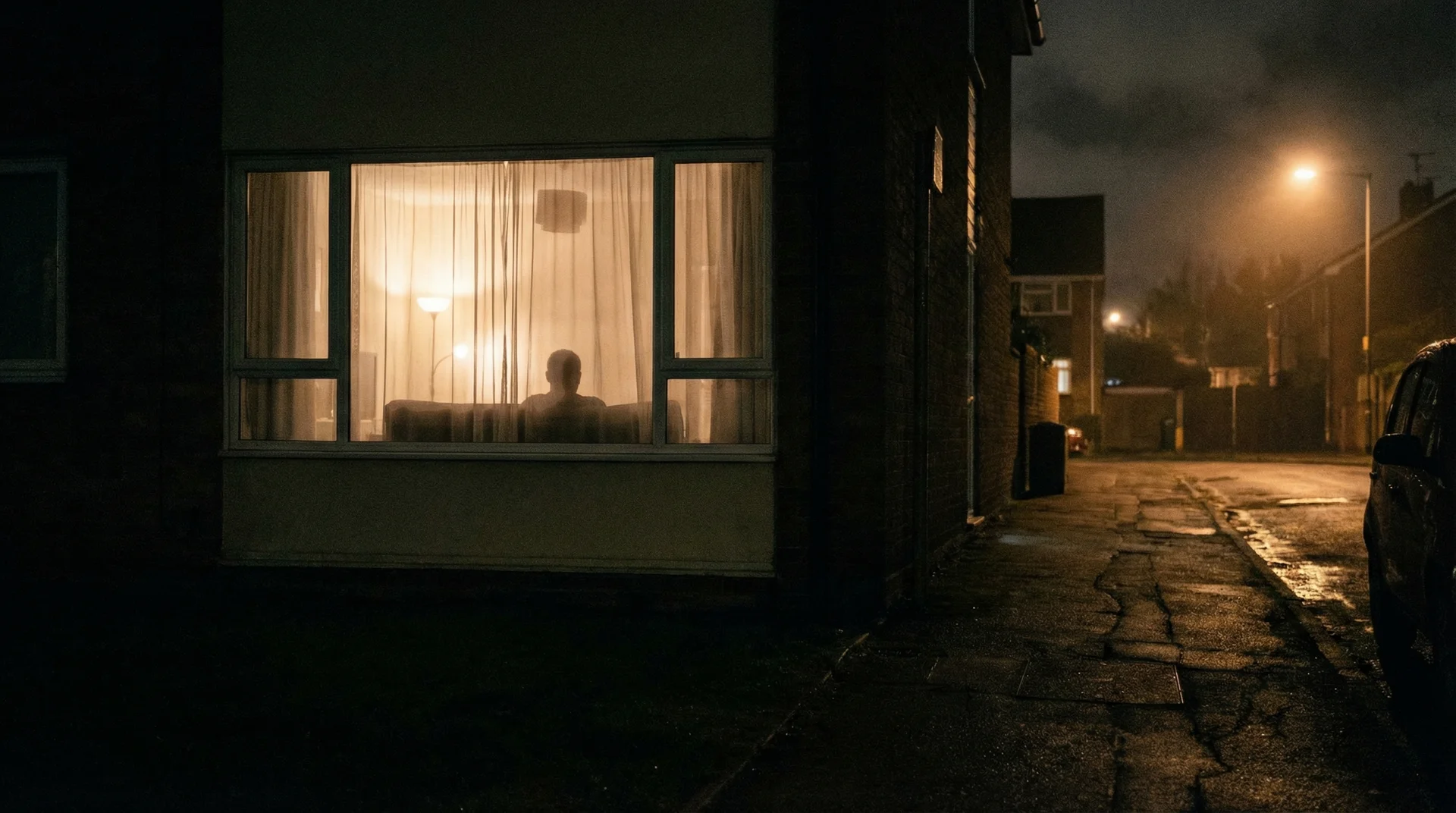
When your interior lights come on, your room becomes a brighter environment. The sheer fabric, which was hiding you behind outdoor brightness during the day, now acts like a soft lens broadcasting your interior to the street.
Anyone standing outside in the darker environment can see your silhouette, your movement, and often your furnishings in surprising detail.
| Condition | Outdoor Light | Indoor Light | Visibility from Outside |
|---|---|---|---|
| Bright daytime | High | Low | Minimal to none |
| Overcast daytime | Moderate | Low | Some silhouette |
| Early evening | Decreasing | Increasing | Increasingly visible |
| Night with interior lights | Very low | High | Fully visible |
This is why sheer curtains alone are not a complete privacy solution for rooms you use heavily in the evenings.
Do Sheer Curtains Provide Privacy at Night?
No, sheer curtains do not provide meaningful privacy at night when your interior lights are on. Even a dense sheer cannot counteract the physics of light reversal once the outdoor environment is darker than your interior. The fabric softens the view slightly, but it does not block it.
The degree of visibility depends on three things: how strong your interior lighting is, how close neighbouring properties or footpaths are to your window, and the density of your specific sheer fabric.
A dimly lit room with a heavy-weave sheer facing an unlit garden will fare far better than a brightly lit living room with lightweight voile facing a street.
If you use a room primarily in the evenings, sheer curtains alone will not solve your privacy problem. You need a secondary layer, and I cover exactly what that looks like below.
A Simple Privacy Test You Can Do at Home
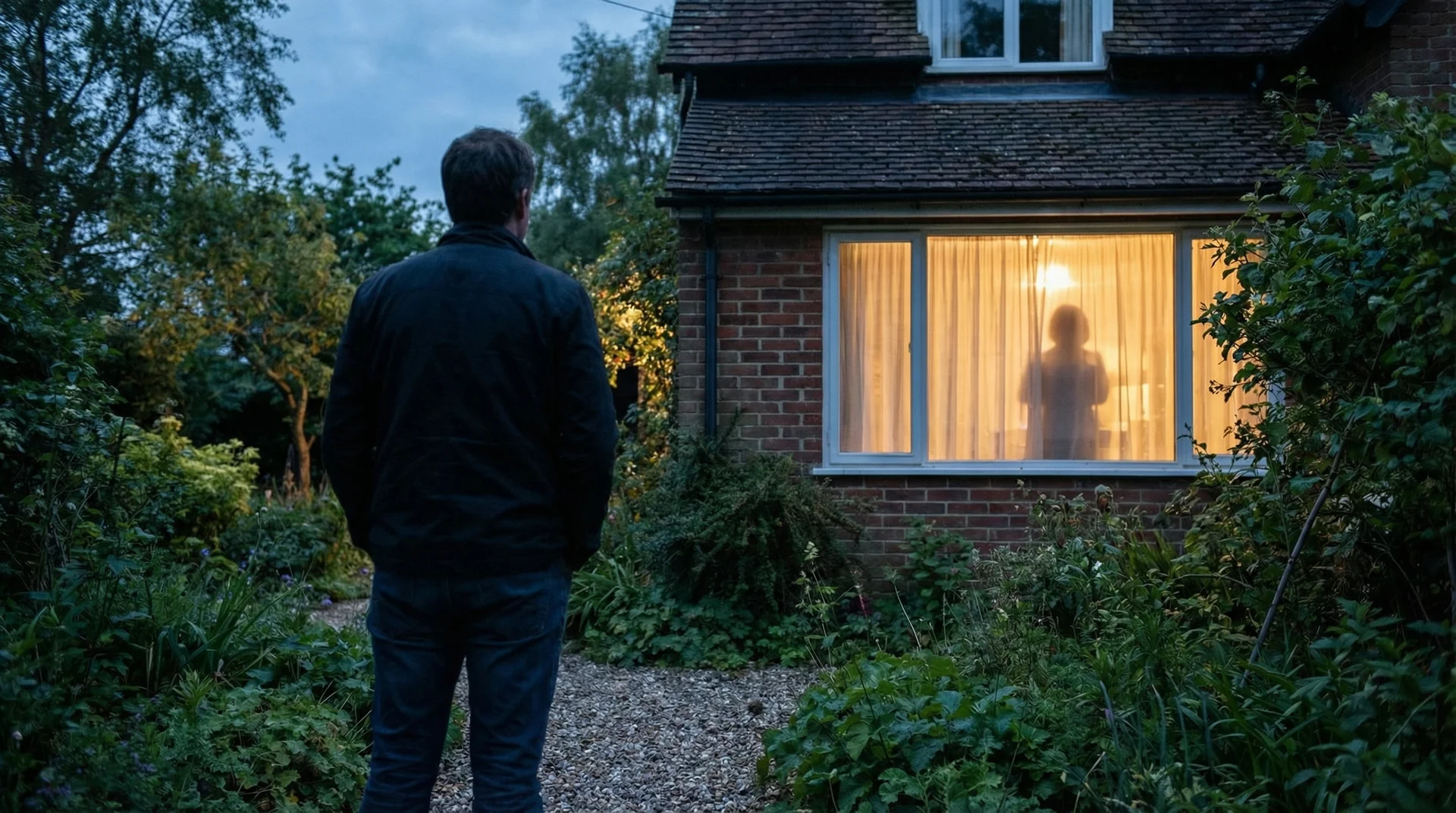
Before spending a penny on new curtains or layers, do this test. It takes three minutes and tells you exactly how much work your current sheers are doing.
- Close your sheer curtains fully across the window.
- Turn all your interior lights on.
- Go outside after dark and stand where a neighbour or pedestrian would naturally be positioned.
- Note how clearly you can see shapes, movement, and furnishings inside.
If you can see your own silhouette and movement clearly, your sheers need a privacy layer for evening use. If the view is soft and undefined from a normal standing distance, you are in better shape than most and may only need a supplementary layer for closer or more overlooked windows.
I ask every client to run this test before we discuss solutions because it removes guesswork and tells us exactly which rooms and which windows actually need attention.
What Affects Daytime Privacy in Sheer Curtains
Not all sheers perform the same during daylight hours. The fabric you choose, its colour, and the way it hangs all have a real effect on how much daytime privacy you get.
Fabric Weave Density
All sheers are woven, and the tightness of that weave determines how much visual diffusion you get. A lightweight voile with an open weave offers less diffusion than a denser sheer linen or a gauze-style cotton blend.
When I source sheer curtains for projects, I always hold a swatch up to direct light and observe how clearly I can read text or see a hand placed behind it. Anything where the outline blurs significantly will serve well for daytime privacy.
Colour Depth
White and ivory sheers diffuse light beautifully but offer less visual obscuring because they create minimal contrast. A pale grey, soft sage, or warm taupe sheer actually increases diffusion because the dye absorbs more light and reduces the clean see-through quality. I have steered several clients away from pure white sheers on street-facing windows for this reason, even when white felt like the more neutral choice aesthetically.
Fullness Ratio
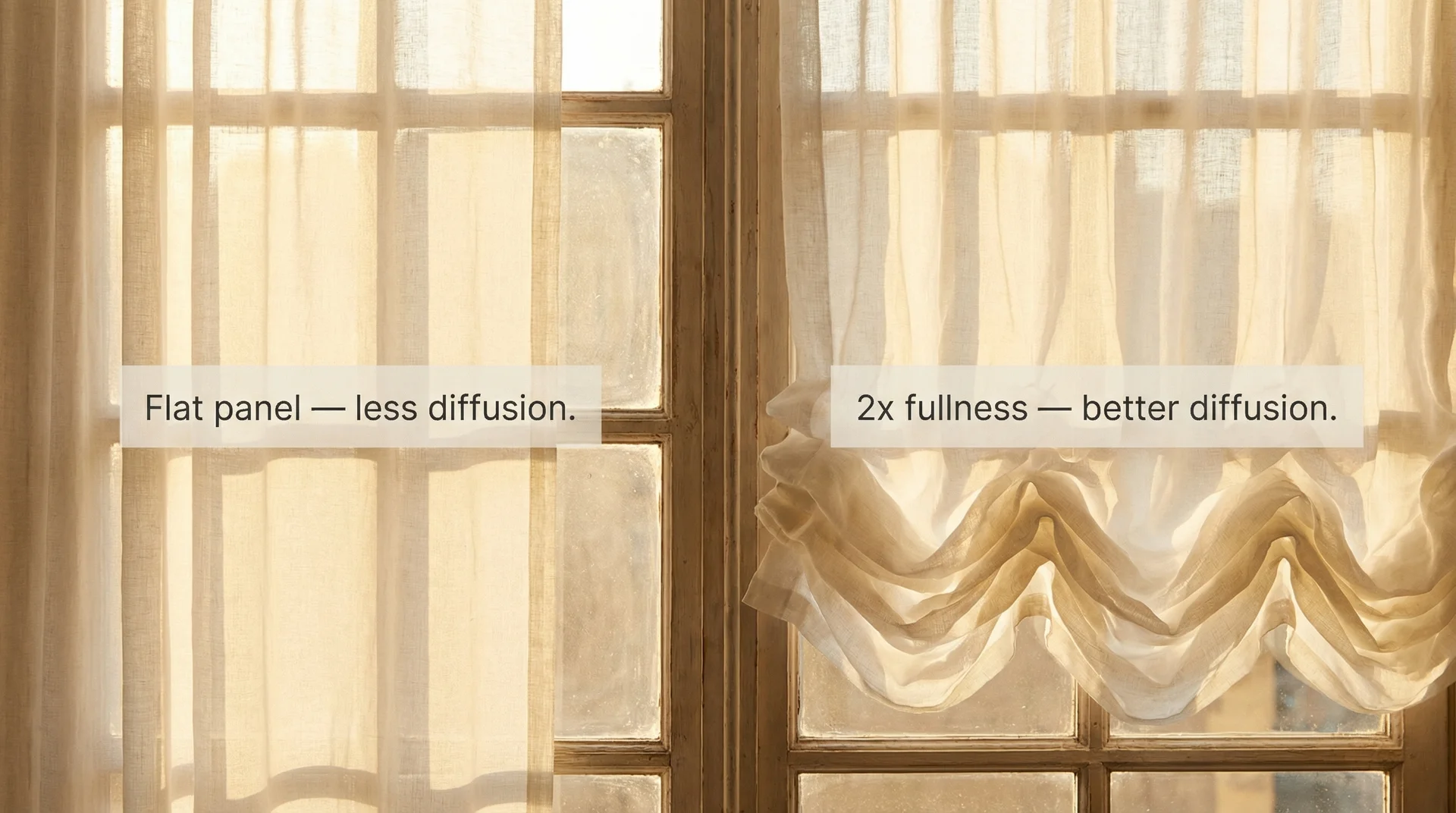
A sheer curtain should be at least 1.5 times the width of your window, and ideally 2 to 2.5 times for proper fullness. When sheers hang with generous fullness and gather softly, the overlapping layers of fabric create more visual diffusion than a tightly stretched flat panel. A flat sheer is essentially a window film and performs about as well as one for privacy.
Hang Height and Side Returns
Ceiling-mounted sheers that fall to the floor create visual density at the window that a sill-length panel simply cannot. When you extend your rod 15 to 20 centimetres beyond the frame on each side, the fabric covers the edges of the window completely when drawn.
Those side gaps are the most common privacy weak points in curtain installations, and most people do not notice them until I point them out.
Sheer Curtain Types Ranked by Privacy Performance
Here is a breakdown of the most common sheer fabric types and how they perform for privacy.
| Fabric Type | Daytime Privacy | Night Privacy (Alone) | Best Used For |
|---|---|---|---|
| Voile (cotton or poly) | Low to moderate | Poor | Living rooms, aesthetic layering |
| Linen sheer | Moderate | Poor | Casual and natural interiors |
| Gauze cotton | Low | Very poor | Aesthetic only, always layer |
| Embroidered sheer | Moderate to good | Poor to moderate | Bedrooms, formal living rooms |
| Dimout sheer (privacy lined) | Good | Moderate | Street-facing rooms, home offices |
| Jacquard sheer | Good | Moderate | Traditional or maximalist interiors |
A note on embroidered and jacquard sheers: the texture and raised pattern in these fabrics scatter light in irregular ways, which makes it significantly harder for someone outside to resolve a clear image of what is inside.
I regularly specify textured or embroidered sheers for clients in closely spaced townhouses or apartments where neighbours are fewer than ten metres away.
How to Enhance Privacy With Sheer Curtains
Layering: The Most Effective Strategy
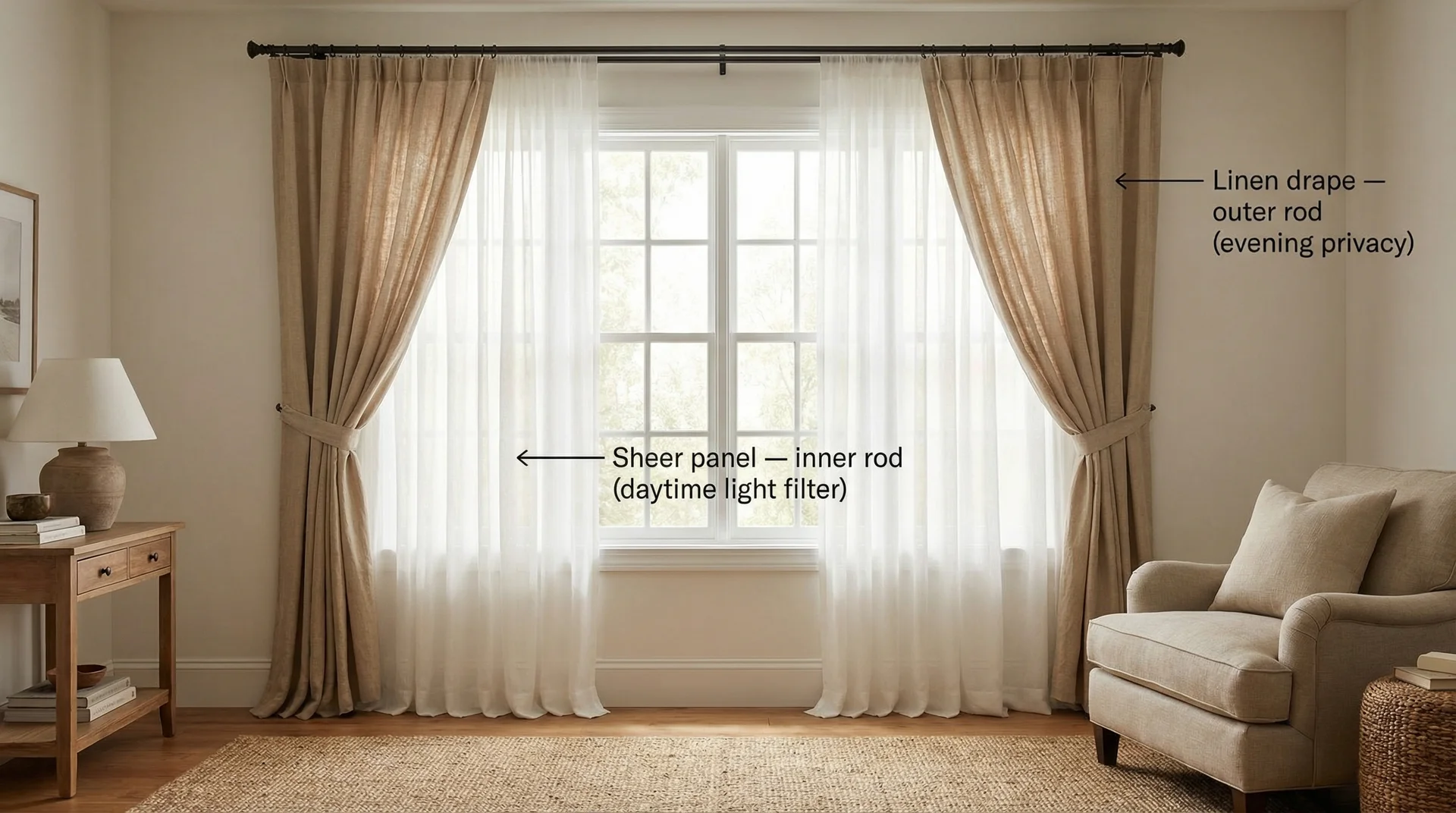
Layering is the design world’s answer to almost every window treatment dilemma, and it works extraordinarily well here. You keep your sheer curtains in place as your daytime light filter and introduce a second layer that you close in the evenings for privacy.
The double rod system is the most flexible approach. The sheer panel sits on the inner rod, closer to the glass, and the privacy panel hangs on the outer rod.
During the day, you draw the heavier panel to the sides and let the sheers work. In the evenings, you close the privacy layer over the sheers. The second layer can be a linen drape, a cotton canvas panel, a velvet curtain for bedroom warmth, or a semi-sheer with a denser weave that still allows some light through.
Sheers over blinds or shades is my personal favourite combination for smaller rooms where heavy drapes would overwhelm the space. A roller blind or Roman shade in a light-filtering or room-darkening fabric sits directly behind the sheer curtain.
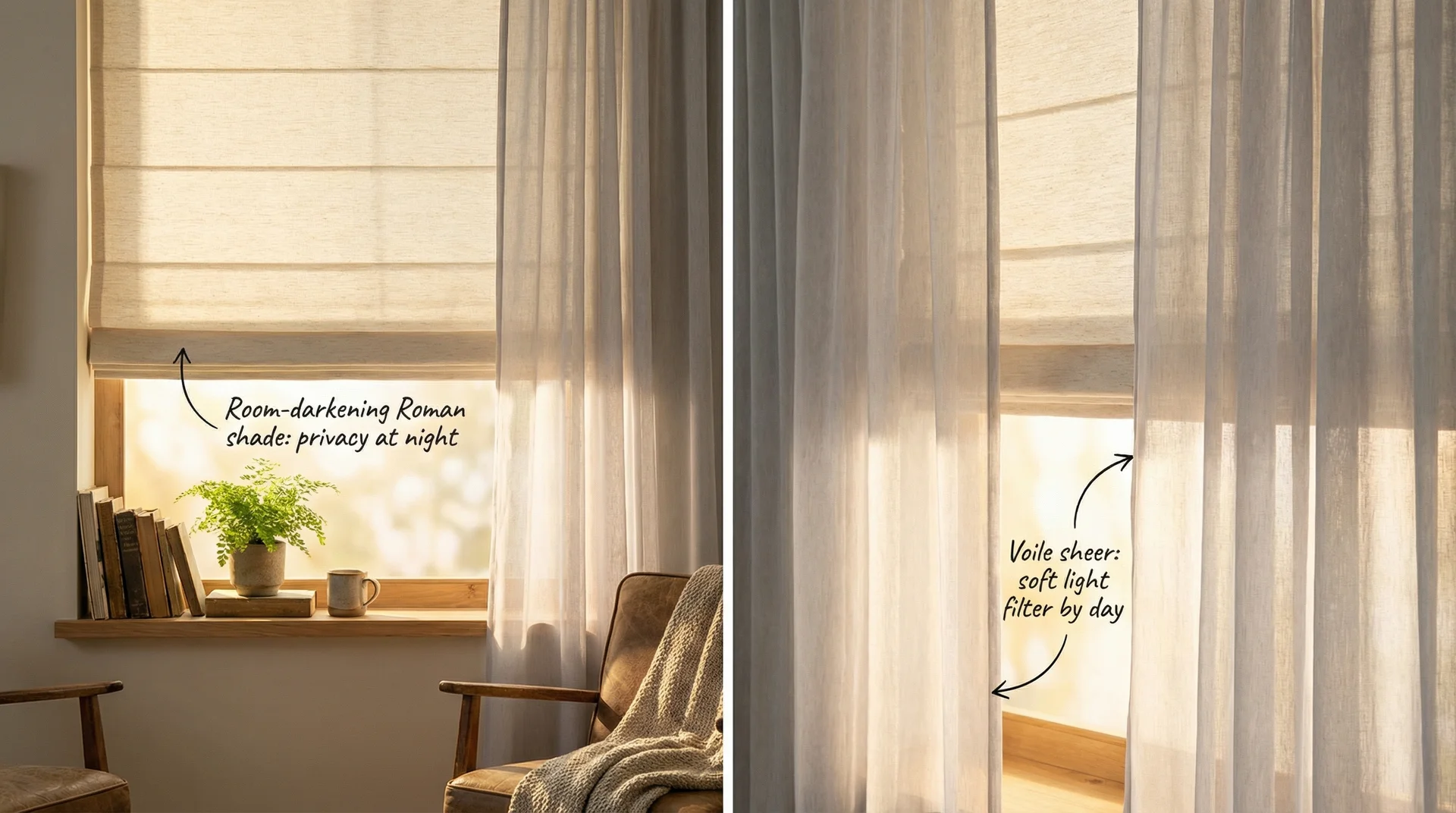
If you want a deeper breakdown of how to pull this combination off room by room, I have covered it in detail in my curtains over blinds layering guide.
During the day, the blind rolls up neatly at the top while the sheer does its work…. At night, you lower the blind behind the sheer. From the outside, the result looks soft and intentional.
I used this combination in a reading nook renovation a few years ago. The window faced an active courtyard, and my client wanted the room to feel open and airy during her afternoon sessions.
We installed a cream linen Roman shade on a recessed bracket inside the window frame, then hung pale grey voile sheers on a ceiling-mounted track extending beyond the frame on both sides. She had complete privacy control at any hour without the room ever feeling closed in.
Privacy-lined sheers are a growing category worth knowing about. These are sheer panels with a thin, light-diffusing backing fabric stitched to the reverse side.
They add opacity without changing the look from inside the room or significantly affecting light quality. They are useful for improving daytime privacy, though they do not solve the nighttime problem completely.
Window Film as a Privacy Layer
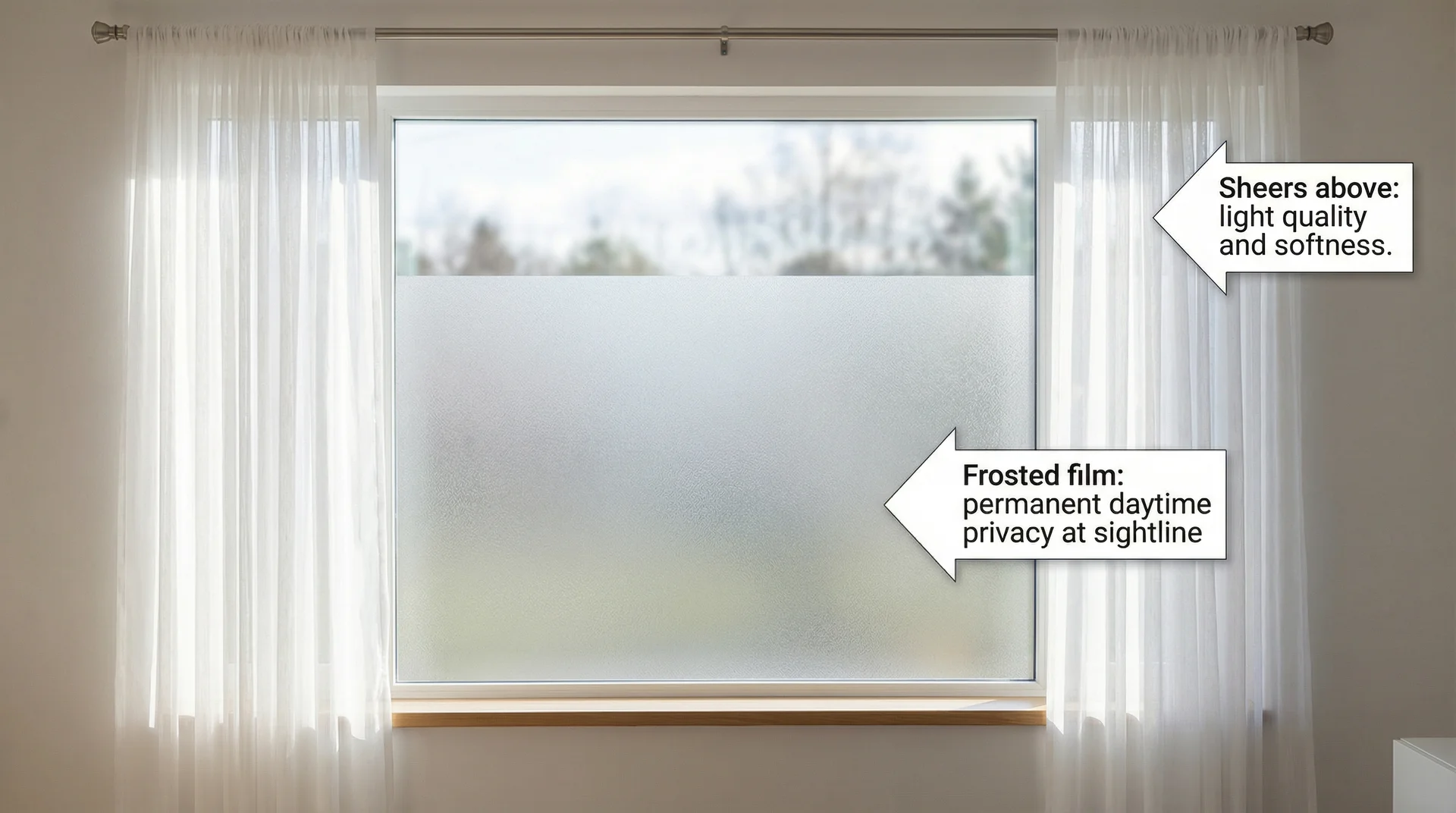
Window film deserves far more attention in home interiors conversations than it usually gets. A quality frosted or etched-effect film applied to the lower portion of a window glass creates permanent daytime privacy without any fabric.
You can then hang sheer curtains above the film for softness and retain a light-filled, airy look throughout the day.
I have used this approach on low-sill living room windows that face footpaths directly. The film handles the close-range privacy challenge, the sheers manage the light quality and aesthetic, and at night, a simple blind behind the sheers provides complete coverage. It is one of the most cost-effective privacy improvements available, and very few homeowners think of it.
Alternatives to Sheer Curtains Worth Knowing About
I want to address this directly because many people arrive here wondering whether they should replace their sheers entirely. My recommendation: explore layering first. Sheers bring a quality of light to a room that most alternatives cannot replicate.
That said, there are situations where other treatments genuinely serve you better.
Light-filtering curtains sit in the middle ground between sheer and blackout. They allow diffused natural light through while offering noticeably more opacity than a standard sheer.
For evening-heavy rooms where you want practical privacy without full blackout, a quality light-filtering linen or cotton curtain is a strong standalone choice. You will sacrifice some of the luminous, airy quality that sheers provide during the day.
Cellular or honeycomb shades are excellent for windows where privacy is more critical than softness. Available in sheer, light-filtering, and room-darkening opacities, their honeycomb structure also adds meaningful insulation.
They sit close to the window, allowing you to hang decorative sheer panels in front for visual warmth while the shade handles privacy and light control.
Plantation shutters offer permanent, architectural privacy control with full flexibility over light direction. The louvre angle lets you direct light upward toward the ceiling while keeping sightlines from outside closed.
They last for decades and work beautifully paired with sheer curtains hung outside the shutter frame for added texture. The cost is higher, and they give a room a more formal, structured quality that does not suit every interior style.
Room by Room: Making the Right Call
Window treatment decisions should be made room by room. A one-size answer for the whole house leads to compromises everywhere.
Living Room
Sheers work well here during the day. For evenings in rooms facing a road, footpath, or neighbouring property, a layered treatment is essential. Floor-length sheers on a double rod with a medium-weight linen drape give you full control without sacrificing the daytime feel.
Bedroom
Bedrooms need the most careful consideration. Most people underestimate how visible they are at night from outside. I would not rely on sheer curtains alone in any bedroom facing occupied neighbouring properties or public spaces. A blackout or room-darkening layer behind your sheers is worth the investment here, both for privacy and for sleep quality.
Home Office
During working hours, you want the room to feel open and energising, but you need privacy for video calls or sensitive materials. Light-filtering cellular shades as the primary treatment, with a sheer curtain in front purely for softness, work well here. The shade handles daytime privacy control, and the sheer keeps the room feeling considered and warm.
Kitchen and Dining Areas
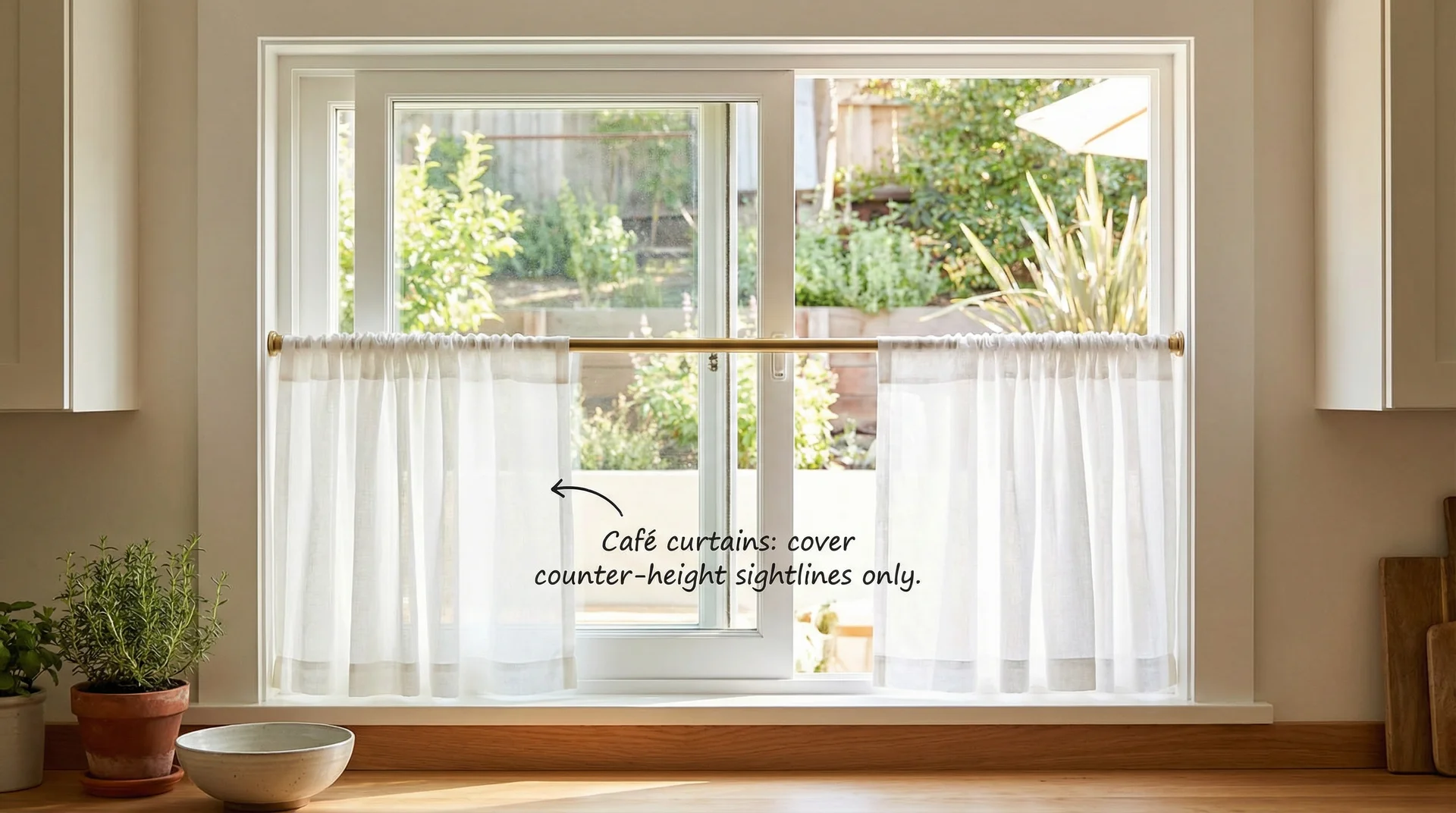
These rooms are often the most visible from outside at night because of their lighting levels during cooking and dining hours. Sheer café curtains covering only the lower half of the window are a practical solution for kitchens. They protect the most relevant sightlines at counter height while keeping the upper portion open for light. For dining rooms, a closeable drape or blind layered over sheers gives you evening privacy without touching your daytime setup.
Bathroom
The bathroom is the one room where I never rely on sheer fabric alone. A frosted film on the lower two-thirds of the window glass, combined with a lightweight roller blind for after-dark use, gives you complete control at any hour without compromising the light quality of the space.
Before You Decide on a Sheer Curtain: A Quick Checklist
Work through these questions before purchasing or changing anything. Your answers will tell you exactly what kind of privacy solution you actually need.
- What direction does your window face? South and west-facing windows receive more direct light, which naturally improves daytime privacy from sheer curtains.
- How close are neighbouring buildings, roads, or footpaths? Closer proximity means higher privacy stakes, especially after dark.
- What hours do you spend most of your time in this room? Evening-heavy rooms need a stronger layering approach than daytime-only spaces.
- What is the room’s primary purpose? Bedrooms and bathrooms require more protection than hallways or stairwells.
- How important is natural light to how you use the space? If light quality matters, sheers with a closeable secondary layer will always serve you better than replacing sheers with something heavier.
- What do you want the window to look like when treatments are in the open position? A roller blind behind sheers reads cleaner and more minimal. Layered drapes read warmer and more styled.
Frequently Asked Questions
Do sheer curtains provide privacy during the day?
Yes. During daylight hours, stronger outdoor light creates a visual barrier that prevents people outside from seeing clearly into your home. The level of privacy depends on your fabric’s weave density, its colour, and how close your window is to foot traffic.
Do sheer curtains provide privacy at night?
No, not meaningfully. Once interior lights are on, the light reversal makes sheer curtains effectively transparent from outside. You will need a secondary layer, such as a roller blind, Roman shade, or closeable drape, for evening privacy.
Can you see through sheer curtains from outside?
During the day, it is difficult to see through sheer curtains because outdoor light is significantly brighter than interior light. At night with interior lights on, it becomes very easy to see silhouettes and movement through sheer curtains.
What type of sheer curtain is most private?
Dimout sheers (privacy-lined), jacquard sheers, and embroidered sheers offer the best privacy performance among sheer fabric types. Their denser weave or textured surface scatters light more effectively than voile or gauze.
How do I make my sheer curtains more private?
The most effective approaches are: layering sheers with a closeable drape or blind on a double rod, choosing a denser weave or textured sheer fabric, adding a privacy lining to existing sheers, or installing frosted window film on the lower portion of the glass and using sheers above it.
Are sheer curtains good for bedrooms?
Sheer curtains work in bedrooms as a daytime light filter and aesthetic layer, but you should always pair them with a room-darkening or blackout layer for adequate evening privacy and sleep quality.
Final Thoughts
Sheer curtains do provide privacy during daylight hours, and they do it beautifully. The concern most people carry about them is legitimate, but it almost always has a practical solution that does not require giving up the light and softness that made you choose sheers in the first place.
Privacy is not a single curtain’s responsibility. It is a design system, and sheer curtains have a specific and valuable role within that system. When you understand what they do well and pair them with the right secondary treatment, you get a window that performs across every hour of the day and looks genuinely beautiful while doing it.
If you are standing in a room right now, looking at your sheers and wondering whether they are working hard enough, run the evening light test first. Then start with the double rod and a simple linen drape before changing anything else. Most of the time, that single addition solves the problem completely.